


First Cycle Results: What Canadian Beginners Can Realistically Expect
If you’re a Canadian beginner thinking about running your first performance-enhancing cycle, you’re probably asking the same questions everyone does at the start:
“How much size can I gain?” “How fast will I get stronger?” “What results are actually realistic for me?”
Between shredded Instagram transformations, bro-science on forums, and locker-room myths, expectations can get dangerously inflated. The truth is more nuanced – and a lot more achievable – than the extremes you see online.
This guide is built specifically for Canadian lifters who want clarity before they commit: realistic timelines, typical strength and size changes, what influences your results, and how to avoid the most common first-cycle mistakes.
Why “Realistic” Expectations Matter More Than Hype
Going into a first cycle wiht fantasy-level expectations is a fast way to be disappointed, reckless, or both. When you expect movie-trailer results in 8 weeks, you’re more likely to:
- push doses higher than you can safely manage
- Ignore nutrition and sleep as you think “the gear will handle it”
- Chase the scale rather of building quality,sustainable progress
Conversely, when you understand what a normal first-cycle outcome looks like – in Canadian conditions, with your lifestyle, training age, and genetics – you can:
- plan your training and nutrition around genuine targets
- Spot red flags early (like zero progress despite “high” doses)
- Protect your health while still pushing for extraordinary changes
- Separate Canadian reality from online exaggeration
- Understand typical size and strength gains on a first cycle
- See how factors like age, training history, and body fat affect outcomes
- Recognize the difference between temporary and keepable results
The Canadian Context: Why where You Live Actually Matters
Training in Canada comes with its own set of variables that quietly shape your first-cycle results: long winters, fluctuating vitamin D levels, regional access to gyms and quality food, provincial healthcare, and how easily (or not) you can get proper bloodwork done.
All of these details influence recovery, mood, training intensity, and ultimately the progress you see in the mirror and on the bar.Ignoring them leads to copy-pasting US or European expectations that may not fit your reality.
From Hype to Honest Numbers: Setting the Right Baseline
This article won’t promise you 25 pounds of pure muscle in 8 weeks.Instead, it will walk you through:
- What a strong but believable first-cycle transformation looks like
- How much of your “gain” will be muscle vs. water and glycogen
- Why some beginners see moderate, steady changes while others explode – and what actually explains the difference
Armed with that framework, you can approach your first cycle with confidence instead of guesswork – and measure your progress against reality, not fantasy.
Starting your first cycle in Canada can feel overwhelming, but it does not have to be a guessing game. This guide breaks down what realistic results look like for true beginners, how fast you can expect to see changes, and how to stay safe and compliant with Canadian norms. use it as a roadmap to set grounded expectations, avoid common mistakes, and build progress you can actually sustain
You don’t need to “wing it” or copy some influencer’s reckless protocol to see great beginner results in Canada.When you understand what’s actually realistic in your first months—how fast strength, size, and body composition can move—you can stop chasing extreme promises and start playing the long game. This guide gives you a clear, Canada-specific lens on progress, so every change in the mirror, on the scale, and on the bar makes sense rather of sparking anxiety or second-guessing.
Think of it as a practical checklist: what you can expect to see, what you definitely shouldn’t expect, and how to keep everything aligned with Canadian expectations around safety, legality, and gym culture. You’ll see how smart training, dialed-in nutrition, and evidence-based planning can outperform reckless experimentation, helping you build a physique—and habits—that still hold up a year from now, not just for a few flashy weeks.
Instead of chasing random “8-week transformation” screenshots, you’ll be able to map your own first cycle against clear, grounded benchmarks.For most genuine beginners training in Canada with a structured plan, the early wins look like: noticeable strength jumps on big lifts, subtle but visible muscle fullness, and better energy and recovery across the week—long before you look “unrecognizable.” You’ll learn how to interpret those early signals so you can tell the difference between healthy progression and red flags. Expect to see advice framed for real Canadian life: fluctuating work schedules, winter slumps, and gym access that might not always be perfect, all while respecting Canadian guidelines and norms.
What this roadmap helps you do:
- Set expectations based on realistic timelines, not hype or marketing.
- Spot common pitfalls like chasing scale weight instead of quality gains.
- Align your plan with Canadian training culture, safety standards, and norms.
- Track progress with simple metrics that keep you motivated and accountable.
| Phase | What You’ll Likely Notice |
| Weeks 1–2 | Better pumps, improved focus, small strength bumps. |
| Weeks 3–6 | Visible muscle fullness, tighter look, faster recovery. |
| Beyond Week 6 | Slower but steady gains, more emphasis on habits. |
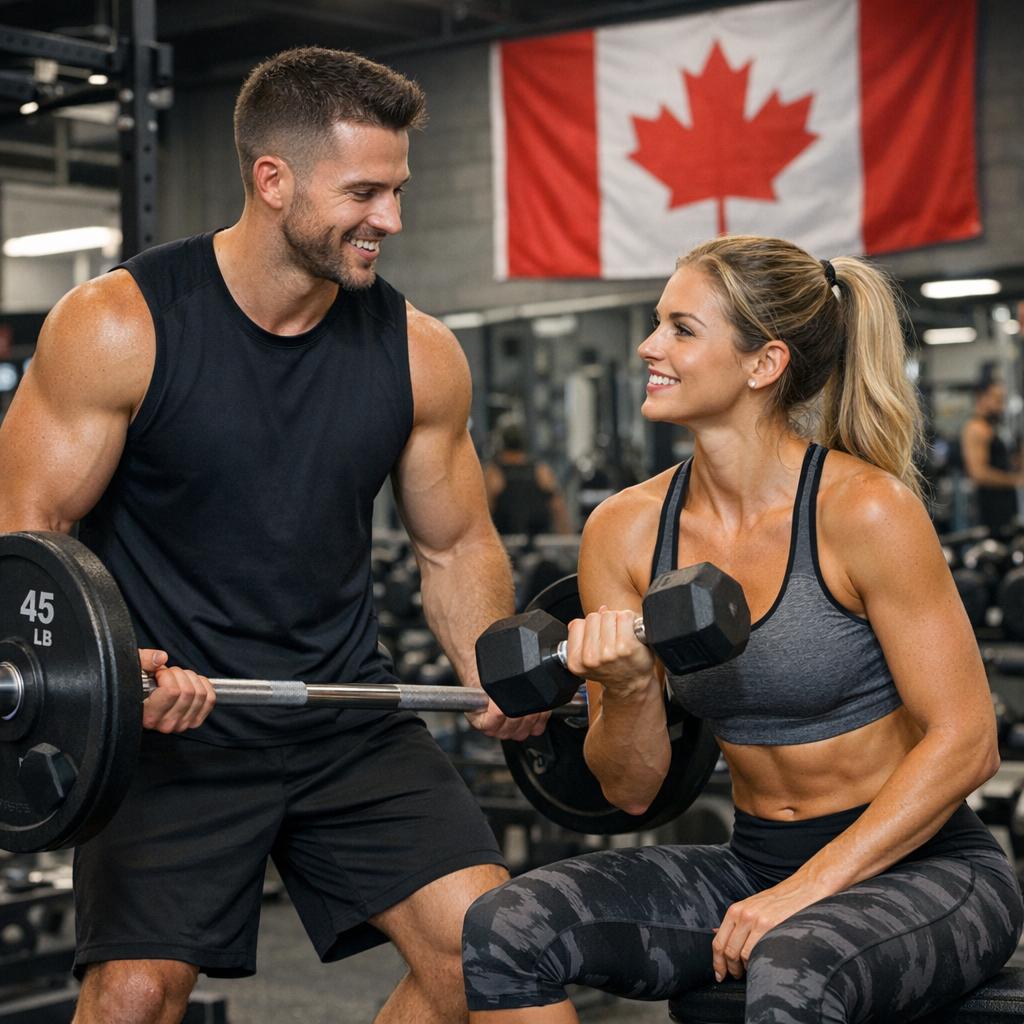
Understanding First Cycle Expectations For Canadian Beginners Grounded Progress Not Hype
Most canadian newcomers imagine their first cycle will flip a switch overnight.In reality, the most impressive transformations are rarely dramatic or viral-worthy—they’re slow, steady, and surprisingly normal. Grounding your expectations in what actually happens inside Canadian gyms, not on attention-grabbing influencer timelines, is how you protect your health, your wallet, and your long‑term progress. Think in terms of months, not weeks, and trendlines, not single weigh‑ins. Real results are built on consistent training, sane nutrition, and smart planning—not miracle protocols.
For your initial run, it’s more useful to picture “layered progress” than a movie montage. Most beginners who dial in their sleep, calories, and training in a Canadian context (busy work weeks, winter slumps, social commitments) can expect modest but meaningful changes such as:
- noticeable strength jumps in core lifts, without looking dramatically bigger yet.
- Subtle physique changes—slightly fuller shoulders, tighter waist, better posture.
- Improved “gym stamina”—you recover between sets faster and handle more volume.
- Better daily energy and mood, especially when protein and sleep are finally on point.
- Slow, consistent scale movement—usually 0.25–0.5 lb (0.1–0.25 kg) per week either way.
Typical First-Cycle Outcomes For Canadian Beginners
| Area | Realistic Range |
|---|---|
| Lean mass gain | 1–3 kg over 8–12 weeks |
| strength increase | 5–20% on key lifts |
| Visible change | Friends notice in 8–10 weeks |
| Fat loss (if cutting) | 0.25–0.75 kg per week |
Instead of chasing flashy claims, build a simple scoreboard you can track in any Canadian gym or at home: bar weight lifted, weekly body measurements, gym performance notes, and how you feel day to day. Progress might look like 5 extra kilos on your squat, an extra rep on pull‑ups, or your hoodie fitting smoother—not a shredded magazine cover by March. Anchor your mindset in sustainable habits such as:
- Training 3–4 days per week even during cold snaps and busy work stretches.
- Hitting protein targets with realistic local options—Greek yogurt,eggs,lean beef,canned salmon.
- Sleeping 7–9 hours despite early commutes or late hockey nights.
- Logging workouts so you see trends instead of guessing.
Typical First Cycle Results Timeframes Strength size Fat Loss And What Is Actually Realistic
Most Canadian beginners imagine waking up after week one looking like a Men’s Physique pro. Reality is more subtle—but still very rewarding if your training, food, sleep, and bloodwork are on point.The first 2–4 weeks are usually about feeling changes (better pumps,faster recovery,slight strength bumps),while the “mirror changes” tend to show in weeks 4–10. Instead of chasing overnight transformation, focus on tracking measurable progress in the gym, on the scale, and in the way your clothes fit.
- Strength: For a well-structured first cycle with proper nutrition, most beginners can expect around 10–20% increases on their main compound lifts over 8–12 weeks, with the fastest jumps between weeks 3–7 as neuromuscular efficiency and recovery skyrocket.
- size: Scale weight frequently enough rises 3–7 kg (6–15 lb) across a full cycle, but this is not all pure muscle—there’s a mix of glycogen, water, and some fat. A realistic lean gain for a first-timer is closer to 1.5–3.5 kg (3–8 lb) of actual muscle tissue when training and protein intake are dialled in.
- Fat loss: if you run a conservative calorie deficit, a beginner can drop 0.25–0.75 kg (0.5–1.5 lb) per week of body fat while still building some muscle. Expect the scale to move slower than natural cuts because you’re gaining lean mass at the same time.
- Timeline: Weeks 1–2: better pumps and energy; 3–6: rapid strength rises and fuller look; 7–10+: gains slow but consolidate. visual changes lag behind strength, so photos every 1–2 weeks are more honest than the mirror.
| Phase (First Cycle) | What You’ll Notice | Realistic Outcome |
|---|---|---|
| Weeks 1–2 | Stronger pumps, better recovery | +2–5% on big lifts, minimal visual change |
| Weeks 3–6 | Strength jumps, muscles look fuller | +5–15% strength, +2–4 kg on scale |
| Weeks 7–10+ | Slower progress, physique tightens | Most lean tissue gained, fat loss more visible |
How Canadian Training Nutrition And Recovery Realities Shape Your First Cycle Outcomes
Canadian lifters aren’t training in a vacuum—you’re dealing with dark winters,long work commutes,frozen sidewalks,and grocery bills that climb every season. These realities don’t stop your first cycle from working, but they do decide how much muscle you actually keep, how much fat you drop, and weather your gains look impressive or barely noticeable. When your environment, schedule, and recovery are aligned with your protocol, even a conservative beginner cycle can deliver dense, “year‑round” muscle instead of a short‑lived winter bulk that melts away by summer.
In Canada, the gap between “on‑paper” results and real‑world progress usually comes from training quality, sleep, and food consistency—all of which get hammered by weather, work, and stress. A desk job in downtown Toronto with 60‑minute commutes is very diffrent from a trades schedule in northern Alberta, and your outcomes will reflect that. The lifter who squats in a cold garage gym at ‑15°C after a full day on site will burn more energy and need more food, while the office worker glued to a chair all day may need tighter calorie control to avoid ballooning on cycle. You’ll see the best beginner results when you build your plan around your actual Canadian lifestyle, not a fantasy YouTube routine filmed in California. that means acknowledging things like:
- Seasonal shifts: Dark winters crush motivation and steps; summers spike activity and recovery.
- Food access: remote towns rely more on frozen and canned foods than downtown cores with 24/7 groceries.
- Work demands: Oil sands shifts,healthcare nights,and retail holidays all sabotage sleep and meal timing.
| Canadian Factor | Impact on First Cycle | Simple Fix |
|---|---|---|
| Long winters | Lower NEAT, slower fat loss | Add 3–5k indoor steps daily |
| High grocery prices | Inconsistent protein intake | Rely on bulk staples (eggs, oats, lentils) |
| Shift work | Poor recovery, flat workouts | Anchor sleep with 90‑min naps + blackout room |
- Training intensity beats fancy programs—hard sets matter more than having the “perfect” split.
- Sleep duration is your real anabolic edge during brutal work weeks and icy seasons.
- predictable meals built from cheap, repeatable foods will outperform sporadic “clean eating.”
Managing Side Effects And Health Markers On A First Cycle Practical Safeguards For Canadians
Canada’s first‑cycle lifters don’t just need gains—they need guardrails. Smart users plan their bloodwork and side‑effect strategy before the first pin or pill, so that strength goes up while risk stays controlled. Think of it as building a “health dashboard” around your cycle: you’re tracking how your body responds, catching problems early, and adjusting before anything becomes serious. With walk‑in labs, progressive family doctors, and private clinics, Canadians have more tools than ever to run a monitored, data‑driven first cycle rather of rolling the dice.
For a first run, your non‑negotiables are pre‑cycle, mid‑cycle, and post‑cycle bloodwork. At minimum, aim to monitor:
- Hormones: Total & free testosterone, LH, FSH, estradiol (E2)
- Lipids: HDL, LDL, triglycerides—especially if you’re using orals
- Liver & kidneys: ALT, AST, creatinine, eGFR
- Health markers: CBC (hematocrit/hemoglobin), fasting glucose, blood pressure
| Marker | Watch For | Canadian Safeguard |
|---|---|---|
| Blood Pressure | Consistently > 135/85 | Home cuff + pharmacist check‑ins |
| Hematocrit | Thick, “sludgy” blood | Red Cross donation (if eligible) |
| Estradiol (E2) | Sensitive nipples, mood swings | Conservative AI use under guidance |
- Baseline checkup: Book a physical with your family doctor before you start, even if you don’t disclose cycle details.
- Home monitoring: Keep a log of morning blood pressure, resting heart rate, sleep quality, and libido.
- Side‑effect toolkit: On hand before day one—supportive supplements, a conservative AI if appropriate, and post‑cycle meds.
- Exit strategy: A written plan for what you’ll do if labs go sideways: dose reduction, pausing the cycle, or full cessation.
Building A Sustainable Post Cycle Plan Keeping Your First Cycle Gains And Confidence Long Term
your first cycle shouldn’t be a “once in a lifetime” shape that fades as fast as it arrived. A smart post cycle plan makes your new size, strength, and confidence feel normal, not temporary. Instead of obsessing over what you’re losing, shift your mindset to what you can lock in: steady training, stable hormones, and realistic, sustainable habits that fit canadian life, from winter bulk phases to summer cottage weekends.
Holding on to your progress starts with treating your post cycle like a structured phase,not an afterthought.Once your last pin or tab is done,your body needs help to restore natural testosterone,manage estrogen,and protect your mood. A sustainable plan usually blends evidence-based PCT (as guided by bloodwork and a qualified professional) with rock-solid lifestyle anchors. Focus on:
- Hormone recovery: Proper PCT protocol, lab work, and realistic expectations for energy, libido, and strength.
- Training structure: Shift from “all-out” PR hunting to slightly lower volume and more recovery to match natural levels.
- Nutrition consistency: keep protein high, manage calories slowly, and avoid crash dieting that strips new muscle.
- Sleep and stress control: Treat 7–9 hours of sleep and stress management as non‑negotiable recovery tools.
- Mental game: Accept that a small drop in “fullness” is normal while staying focused on what you’ve actually built.
To make this easier, think in phases instead of days. The goal isn’t to look like you’re “on” forever; it’s to create a lifestyle where your first cycle simply accelerates the physique you were already building.You can map this out with a simple framework:
| Phase | Timeframe | Main Focus |
|---|---|---|
| Acute Recovery | Weeks 1–4 | PCT, manage fatigue, maintain strength with slightly reduced volume. |
| Stabilization | Weeks 5–12 | Normalize hormones,dial in calories,refine training technique. |
| long-Term Build | 3+ months | Natural progression,slow strength gains,lifestyle habits that keep you lean and muscular. |
- Train year-round: Plan around Canadian seasons rather of hopping from blast to blast.
- Monitor with bloodwork: Check that recovery is happening, not just guess based on the mirror.
- Invest in routines: Prepped meals, consistent training times, and sleep rituals that make discipline automatic.
Ready to map out realistic first cycle results for your Canadian context Turn these headings into your personalized step by step plan today
Your first cycle in Canada doesn’t have to be a guessing game. With a clear, written plan that reflects your climate, schedule, and body, you can stop chasing “perfect” results and start building predictable, measurable progress. Rather of copying someone else’s routine, you’ll translate broad advice into a timeline, targets, and boundaries that make sense for your province, your recovery, and your risk tolerance.
Think of this as your personal blueprint: a way to decide what “good first‑cycle results” actually mean for you as a Canadian beginner—whether you’re training through icy prairie winters, humid Ontario summers, or dark Atlantic mornings. The goal is simple: align expectations with reality so you can track progress week by week instead of hoping for overnight transformation.
Start by sketching your first‑cycle roadmap around three anchors: timeline, training, and lifestyle constraints. Grab a calendar and mark out a realistic 8–12 week window, then plug in your real‑world obstacles—stat holidays, work travel, ski trips, exam weeks, or overtime spikes.From there, assign modest, outcome‑based targets that fit a Canadian beginner’s profile, such as:
- Strength: Add 10–20 kg total to your big compound lifts over the full cycle.
- Body composition: Aim for 1–3 kg lean mass gain with minimal fat change.
- Performance: Improve work capacity in cold‑weather sessions (more sets, better recovery).
To keep your expectations grounded, use a simple comparison table like this as you build your plan:
| Goal Type | Aggressive Expectation | Realistic Canadian Beginner target |
|---|---|---|
| Strength | +40 kg on main lifts | +10–20 kg total |
| Muscle Gain | 5+ kg “pure muscle” | 1–3 kg lean mass |
| Consistency | 0 missed sessions | 80–90% workouts completed despite weather |
Next, convert those targets into a step‑by‑step weekly structure that respects your recovery and your climate.Map out:
- Weekly training slots: Choose 3–4 non‑negotiable days,plus 1 “flex day” for weather or work surprises.
- Nutrition guardrails: Set simple rules—e.g., a minimum daily protein target and a winter comfort‑food budget—to avoid drifting off plan.
- Check‑in points: Every 2 weeks, log body weight, key lifts, sleep, and stress so you can adjust volume or calories before issues snowball.
By putting this into a written template—either in a notes app, Google Sheet, or a printed calendar—you create a living document you can refine after each cycle. Over time, you’ll build a library of Canada‑tested first‑cycle playbooks tailored to your province, job, and training style, rather of relying on imported expectations that never accounted for your real life in the first place.
Taking Action
Your First Cycle Is Just the Starting Line
If you take nothing else from this guide, let it be this: your first cycle is not about chasing Instagram transformations. It’s about building proof that you can train consistently, eat intelligently, and manage your health like an adult.
The “Canadian beginner” context—our healthcare system, workplace culture, climate, and access to gyms and food—means your progress will look different from what you see online.That’s not a disadvantage. It’s a chance to play a long, smart game that actually lasts.
From Expectations to Evidence: What You’ve Learned
By now, you’ve seen how “realistic” first‑cycle results usually fall somewhere between subtle and solid—not “movie‑role in 6 weeks” level. Most Canadian beginners, if they train hard and stay dialed in, can expect:
- Visible but not extreme changes in muscle size and shape
- Noticeable strength improvements on core lifts
- Better training quality, recovery, and confidence in the gym
- A clearer understanding of how your body responds to training, nutrition, and recovery
the Real Win: Data, Discipline, Direction
Your first cycle is less about the mirror and more about data. You’re collecting:
- Data: How quickly you gain, how you tolerate volume, how your joints and sleep respond.
- Discipline: Showing up to train, eat, and recover on schedule—even when Canadian winters and long workdays try to pull you off track.
- Direction: Whether you should keep pushing,adjust your plan,or slow down and rebuild foundations.
Those three things will determine your long‑term physique far more than what you gain in 8–12 weeks.
Setting Your Next‑Cycle Standard
use your first cycle as a benchmark, not a verdict. Instead of asking, “Was this worth it?” ask:
- “What did I actually gain—in strength, size, and knowledge?”
- “where did I overestimate or underestimate my expectations?”
- “What would I change next time about training, food, or recovery?”
This is how you shift from guessing to progressing. each cycle becomes a little more efficient, safer, and better aligned with your real life in Canada—your work schedule, budget, and seasons.
Playing the Long Game as a Canadian Lifter
Your environment shapes your journey. Short daylight in winter, busy commutes, higher food costs in some provinces, and limited gym options in smaller cities all influence what’s “realistic.”
But that also means if you can build consistency here, you’re building a level of resilience that a lot of people never develop. When you learn to:
- Train effectively even when roads are icy and it’s dark by 4:30 p.m.
- Plan groceries and meal prep around real‑world Canadian pricing and availability.
- Anchor your training week around your actual work and family commitments.
…you’re not just building muscle. You’re building a lifestyle that can sustain muscle,strength,and health for decades—not just for a photo.
Redefining “Good” First‑Cycle Results
For most Canadian beginners, “good” first‑cycle results look like:
- Steady, measurable progress—not overnight transformation
- No major injuries, burnout, or reckless shortcuts
- A stronger understanding of your body’s limits and potential
- Enough motivation from visible changes to keep going
If you’ve achieved those, you’re already ahead of most people who quit before they ever give consistency a chance to work.
Your Next Step: Turn Knowledge into Momentum
You now know what a realistic first cycle looks like,what most Canadians can expect,and how to judge your own progress without comparing yourself to extreme outliers.
The only thing that matters from here is what you do with that knowledge. You can let it discourage you—because the results aren’t “instant”—or you can treat it like a blueprint for sustainable, long‑term progress.
If you commit to one thing, make it this: focus less on “How fast can I change?” and more on “How consistently can I improve?” That mindset is where impressive, long‑term results actually come from.
save this article, review your current numbers, and map out the next 8–12 weeks with clear, realistic targets. Then commit. If you stack just a few well‑run cycles—built on data, discipline, and patience—you’ll be shocked at where you can be a year from now.
🔗 Related on Steroids Canada