
A lean bulk uses a small calorie surplus to build muscle while keeping fat gain low. The key is matching your rate of weight gain to how fast you can actually build muscle, which slows with training experience. Track weight and waist, and adjust every few weeks.
- Beginners can gain faster; advanced lifters should gain slowly.
- A surplus of about 200–400 calories a day suits most people.
- A growing waist with stalled strength means the surplus is too large.
“Dirty bulking”, eating everything in sight, adds muscle but also a lot of fat, which then takes months to lose. A lean bulk takes a more measured approach. Here is how to set it up so most of what you gain is muscle.
How fast can you build muscle?
Muscle growth is slow. Estimates based on research and coaching experience suggest natural lifters can gain roughly:
| Experience | Monthly weight gain target |
|---|---|
| Beginner (first year) | About 1–1.5% of body weight |
| Intermediate (1–3 years) | About 0.5–1% |
| Advanced (3+ years) | About 0.25–0.5% |
Gaining faster than this mostly adds fat. These figures are approximate; genetics, age, sex and training quality all matter.
Setting the surplus
Find maintenance calories by tracking intake for two weeks while weight is stable. Then add about 200–400 calories a day, more for beginners and less for advanced lifters. Small studies in elite athletes (Garthe and colleagues, 2013) and in bodybuilders (Ribeiro and colleagues, 2019) found that larger surpluses added more fat without clearly adding more muscle.
Protein and food choices
- Protein: about 1.6–2.2 g per kilogram a day.
- Carbohydrates: fuel training; rice, oats, potatoes, pasta, fruit.
- Fats: 20–35% of calories, mainly from unsaturated sources.
- Whole foods: a surplus built from nutritious food supports health and training better than one built from junk food.
Training
A surplus only builds muscle if training gives a reason to grow. Follow a structured programme with progressive overload, training each muscle group about twice a week with 10–20 hard sets per week. Log your lifts; if strength is rising steadily, the surplus is doing its job.
Tracking
- Weigh most mornings and track the weekly average.
- Measure your waist weekly.
- Track strength on key lifts.
- Take photos monthly.
Adjust every two to three weeks: if weight gain is faster than your target and your waist is growing quickly, reduce calories by 100–200. If weight is not moving and strength has stalled, add 100–200.
When to stop a bulk
- Your waist has grown by more than a few centimetres
- You have reached a body fat level you are not comfortable with
- Strength progress has stalled despite good recovery
- You have a planned event or season
A short maintenance phase followed by a moderate cut works well. See cutting without losing muscle.
Practical ways to eat a small surplus
- Add one extra snack a day, such as Greek yogurt with granola or a peanut butter sandwich.
- Increase carbohydrate portions at the meals before and after training.
- Drink a glass of milk with meals.
- Keep vegetables and fibre in the diet so the extra food comes from quality sources.
- Avoid adding most of the surplus through desserts and alcohol, which make fat gain more likely and training worse.
Supplements that help
Creatine monohydrate (3–5 g daily) is the most useful supplement for building muscle, with consistent evidence for strength and lean mass gains. Protein powder helps hit targets. Most other “mass gainer” products are simply expensive calories from sugar and maltodextrin; regular food does the same job more cheaply.
Health considerations
Gaining fat raises blood pressure, cholesterol and blood sugar in some people, even during a planned bulk. Staying active, eating plenty of fibre and vegetables, and keeping the surplus modest limit these effects. People using anabolic steroids face added cardiovascular strain from both the drugs and the extra body fat. See steroids and cholesterol.
Lean bulking in a Canadian winter
Many Canadians bulk through the winter, when outdoor activity drops and appetite rises. Keep daily steps up with indoor walking, and keep the surplus modest. See winter bulking and staying motivated through a bulk.
Frequently asked questions
What is a lean bulk?
Building muscle with a small calorie surplus, about 200–400 calories a day, to limit fat gain.
How much weight should I gain per month?
About 1–1.5% of body weight for beginners, 0.5–1% for intermediates and 0.25–0.5% for advanced lifters.
Is dirty bulking bad?
It adds more fat than needed, which then takes longer to lose, and can worsen health markers.
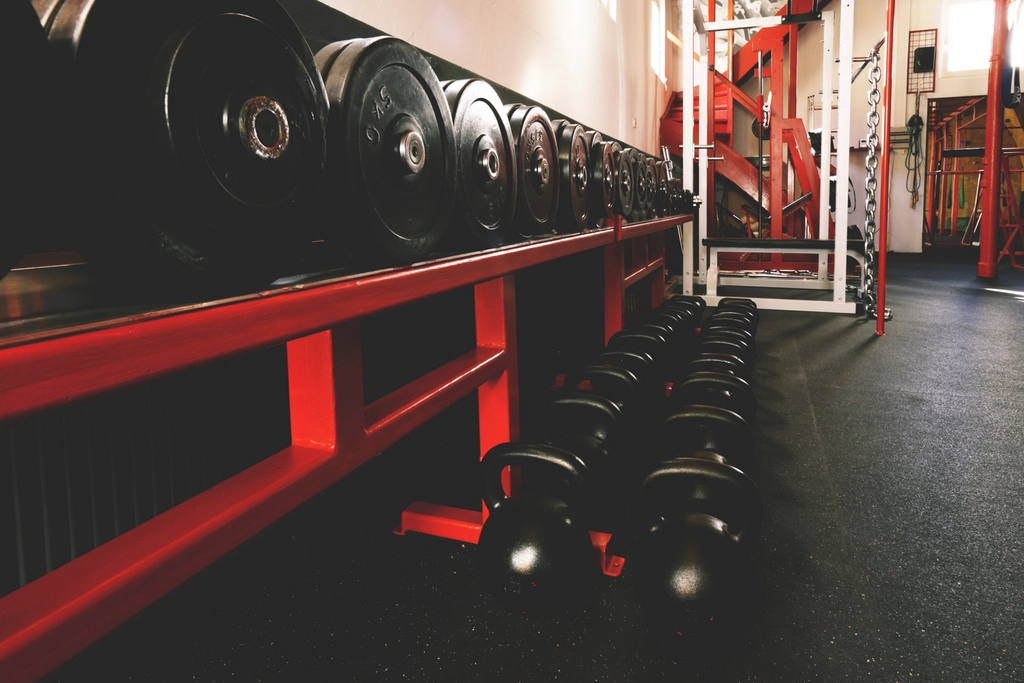
Photo: rawpixel (public domain).
General information, not medical advice.
Related on Steroids Canada