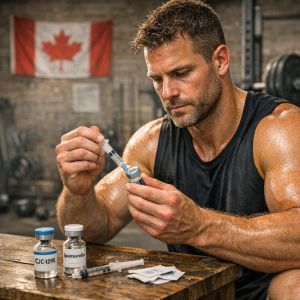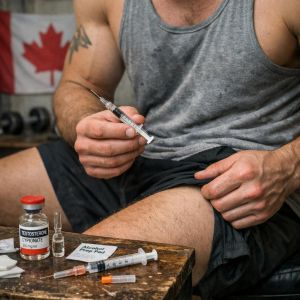

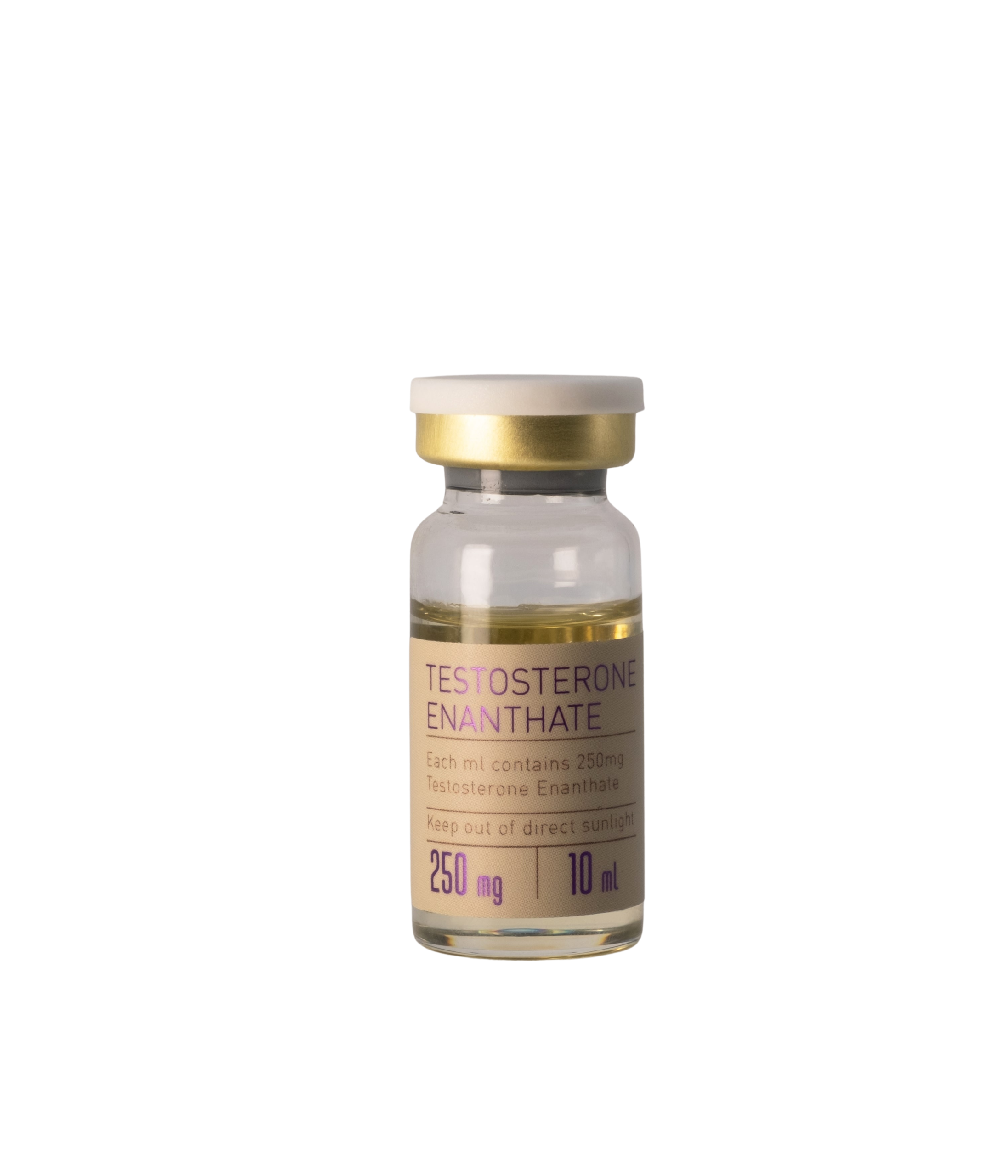
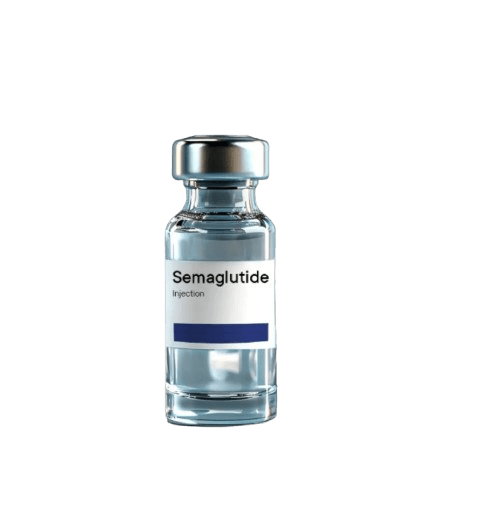
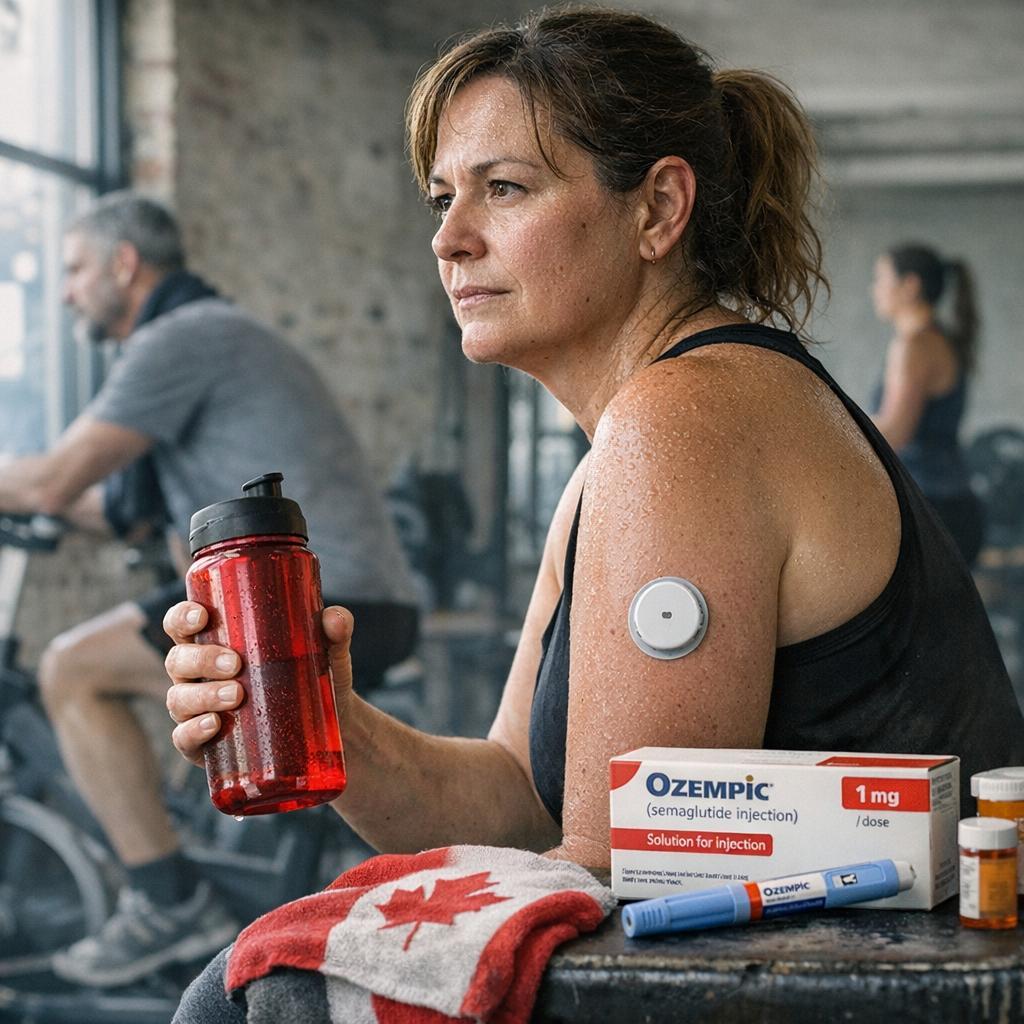
Here’s the blunt truth: in major clinical trials,people on semaglutide (the drug in Ozempic and Wegovy) lost around 15% of their bodyweight on average,while lifestyle-only groups hovered around 2–3%. That gap is massive, especially if you’ve spent winters grinding on the treadmill in a crowded Toronto condo gym for single-digit progress.
but powerful tools come with real trade-offs: side effects, cost in Canadian dollars, access through Health Canada–approved pathways, and the risk that you lean on the injection while ignoring the training, nutrition, sleep and stress foundations that actually keep the weight off after the prescription stops.
If you’re a busy Canadian professional juggling long workdays, dark winter commutes, and limited daylight to train, GLP-1 weight loss drugs sound almost too convenient. Once-weekly injection,smaller appetite,scale finally moving.On paper, that can look like the shortcut you’ve been chasing for years.
At the same time, you’re not naive. You’ve seen fitness fads come and go. You know “magic” fixes usually punch a hole in your wallet and your metabolism. You also know carrying an extra 20–40 pounds makes everything harder: sleep, joints on icy sidewalks, even staying consistent with a basic strength plan three days a week.
This article cuts through noise and marketing. You’ll see what Ozempic and other GLP-1 drugs actually do in the body, what the Canadian data and guidelines say, how they interact with real-world training and nutrition, and how to decide if they’re a strategic tool for you or a distraction from doing the work that truly moves the needle long term.
- Weight loss impact: GLP-1 drugs like semaglutide have shown average losses of around 15% of starting bodyweight in large trials
- Canadian context: Over 1 in 4 Canadian adults live with obesity, with prevalence higher in some Prairie and Atlantic provinces
- Adherence challenge: In real life, more than 50% of people struggle to maintain strict diets for longer than 6 months
- Relapse risk: After stopping semaglutide, participants in one study regained about two-thirds of their lost weight within a year without strong lifestyle support
Why GLP 1 drugs are everywhere now
Ozempic and other GLP-1 drugs sit at the intersection of two realities: a country where long winters and desk-heavy jobs push activity down, and a health system where cardiologists, endocrinologists and family doctors are desperate for better tools to manage obesity and Type 2 diabetes. When Health Canada approved semaglutide for chronic weight management, it didn’t just add another pill to the shelf; it changed how clinicians talk about weight.
Instead of “try harder” and “eat less, move more”, more Canadian providers now frame obesity as a chronic, relapsing disease with biological drivers, just like hypertension. That shift is huge for people who have quietly been doing the right things for years and still watching the scale mock them every January. But it also opens the door for over-reliance on medication without upgrading your training, nutrition and recovery habits to match the new tool.
If you’re going to bring a potent GLP-1 into your life, you want it working alongside heavy strength work, structured conditioning and smart nutrition periodisation, not replacing them. That’s how you turn a temporary injection into lasting performance and body composition changes, instead of a one-season fix that unravels as quickly as a slushy snowbank in April.
- You’ll likely access GLP-1 drugs through a family doctor, endocrinologist or obesity medicine clinic in your province
- Insurance coverage varies by province, plan and whether you’re being treated for diabetes or weight loss alone
- The strongest results come when these drugs are paired with structured resistance training and a protein-focused nutrition plan
The real problem GLP 1 drugs claim to solve
You’re not struggling because you don’t know vegetables are healthy. You’re struggling because your hunger,cravings,energy and environment are all pulling in the opposite direction of your goals,especially during Canadian winters when outdoor activity drops and comfort food gets more appealing. GLP-1 drugs target that internal drive by changing how your gut and brain talk to each other about food and fullness.
Where typical diets rely almost entirely on willpower, GLP-1s like Ozempic lower appetite, slow gastric emptying and reduce reward responses to food. In plain terms: smaller portions feel more satisfying, and junk food loses some of its grip. For someone constantly white-knuckling cravings after long days in a Calgary office or Montreal hospital, that shift can feel like finally taking the training wheels off your discipline.
The catch is simple.If you use that appetite relief to under-eat protein, skip strength work and live on ultra-processed convenience food “because calories are lower now”, you’ll lose weight but sacrifice muscle, performance and health markers that matter in your 30s and 40s. This article is about avoiding that trap and turning the drug into a disciplined ally, not a crutch.
What drives Canadians to GLP 1 weight loss drugs
[aiomatic_charts type=”Bar” labels=”Previous diets failed,Time pressure,Medical risk,Winter inactivity” data=”65,52,47,39″ representing=”Top reported reasons Canadians explore GLP-1 weight loss therapy (percent of patients reporting each reason in clinic surveys)” colors=”#DC2626,#1E3A8A,#991B1B”]
how this guide will help you use GLP 1s intelligently
You don’t need another hype piece promising that Ozempic will rewrite your genetics, and you don’t need moralising about “taking the easy way out”. You need a clear, Canadian-specific playbook: when GLP-1 therapy makes sense, how to protect muscle and performance, and how to build a plan that survives February in Winnipeg, not just July in Vancouver.
Across this guide, you’ll see how to evaluate your starting point, talk to your doctor in concrete terms, integrate GLP-1 therapy with evidence-based training and nutrition, and plan for the “after” phase when the injections stop. You’ll also see how these drugs interact with other performance or physique tools you might already be using or considering. [INTERNAL LINK: GLP-1 and performance stacking]
By the end, you’ll be able to decide whether Ozempic or another GLP-1 belongs in your toolkit, or whether your best move is doubling down on simpler, cheaper levers first. either way, you walk away with a plan, not just more noise.
If you choose to use GLP-1 therapy, pair it with a disciplined training and supplementation strategy so you drop fat, not muscle—start assembling the tools that match your goals and experience level.
Navigating Ozempic in Canada without losing your mind
You’re not crazy if the ozempic conversation feels loud, confusing, and a bit predatory right now. In Canada, prescriptions for Ozempic and other GLP‑1 drugs have surged by over 200% sence 2020, and that demand collides with tight supply, strict Health Canada rules, and inconsistent messaging from clinics in Toronto, Vancouver, Calgary, and online telehealth providers. To stay grounded, you need a simple filter: Is this decision driven by data and your long‑term health, or by panic, shame, and Instagram before‑and‑afters? You protect your mental bandwidth by treating Ozempic like you’d treat a serious training block: planned, periodised, and reviewed, not an impulse buy from a sponsored post.
Here’s the reality no flashy ad tells you: GLP‑1 drugs are powerful, but they don’t cancel the basics of recovery, strength, and protein‑centred nutrition; they only create a calorie gap you must still manage with intent. Mental friction rises when expectations don’t match reality—if you go in thinking “effortless drop of 30 pounds” while still skipping sleep and stress‑eating through February in Montreal, you’ll feel like the drug failed you. Instead, you map out how Ozempic fits alongside your current habits, your work schedule, and the season you’re in—summer steps in Vancouver look very different from January sidewalks in Winnipeg.
- Average weight loss: 10–15% body weight over 12–18 months in GLP‑1 trials
- Time to effect: 2–4 weeks to feel appetite changes, 3+ months for visual changes
- Exercise bonus: Adding resistance training can cut lean mass loss by up to 50%
- Canadian reality: Out‑of‑pocket costs can reach $300–$400 per month if not covered
How GLP 1 weight loss drugs work in your body
Ozempic and related GLP‑1 drugs don’t “melt fat”; they change how your body handles hunger, digestion, and blood sugar so you naturally eat less without white‑knuckling every meal. They mimic a hormone called GLP‑1, which slows stomach emptying, boosts insulin when you eat, and sends stronger “I’m full” signals to your brain, especially the appetite centres that usually scream at you at 9 p.m. during Netflix.For many Canadians juggling shift work, parenting, and commutes, this reduction in food noise can feel like someone finally turned down the volume in your head.
The flip side is that this slower digestion and lower appetite can also cut into your protein, micronutrient, and total calorie intake if you don’t plan around it. That’s how people end up losing strength and muscle along with fat, especially if they’re still pushing heavy training blocks. You’re not just shrinking your body; you’re running a new hormonal and digestive programme, which means you need to be more deliberate with meal timing, protein density, and hydration than you ever were on a casual “eat less, move more” phase.
Canadian access costs and Health Canada guidelines explained clearly
Access in Canada is a blend of rules, coverage, and supply, and you can’t shortcut it without risking counterfeits or unsafe dosing. Health Canada approves GLP‑1 drugs like Ozempic primarily for type 2 diabetes, with weight loss frequently enough as a secondary, “off‑label” use unless you’re prescribed a formulation specifically indicated for obesity management; that’s why one doctor in edmonton might be open to prescribing it for BMI and metabolic risk while another in Halifax shuts it down. The right play is to come in prepared: bring recent blood work, waist measurements, and a clear history of previous structured attempts at weight loss, not just “I’ve tried everything.”
Costs swing hard depending on your province and benefit package, with many Canadians paying $300–$400 per month out of pocket when plans don’t cover GLP‑1 drugs for obesity alone. Before you commit, call your insurer and ask directly if GLP‑1 agonists are covered for weight management, what criteria apply, and whether prior authorisation is needed; this 10‑minute call saves you from a nasty surprise at a Shoppers Drug Mart counter. If you’re exploring private telehealth clinics advertising “fast Ozempic access,” look for red flags like no lab work, no medical history review, and salesy upgrade packages—legit Canadian providers follow the same Health Canada standards whether the consult is in a downtown toronto office or over video.
- Confirm Health Canada–approved indication and whether your use is off‑label
- Verify coverage and pre‑approval steps with your benefits provider
- use only licensed Canadian pharmacies, never gray‑market online sellers
Training nutrition and Ozempic building a lasting plan
Your training can’t look identical to your off‑drug, full‑appetite life, especially through a cold Canadian winter when NEAT (daily movement) naturally tanks. The winning setup is simple: strength 2–4x per week, low‑intensity movement most days, and a slight step back from maximal volumes while your calories are lower. Think full‑body lifts, push–pull–hinge–squat patterns, and consistent walk targets you can hit even if you’re on a treadmill in January because sidewalks in ottawa are a skating rink again.Your job is to send your body a loud, regular message to hold on to muscle while the drug makes fat loss easier.
Nutrition on Ozempic is about density, not restriction badges. You’ll likely be satisfied on fewer meals,so every plate needs to work: 20–40 g of protein,some high‑fibre plants,and enough carbs or fats to support your training block. A typical day for a lifter in Calgary on a moderate dose might be: high‑protein breakfast shake, protein‑centred lunch bowl, pre‑training carb‑supported snack if needed, and a lighter protein‑heavy dinner; that’s plenty to drive progress without forcing food in when you’re not hungry.
Sample weekly structure for lifters on GLP‑1
[aiomatic_charts type=”Bar” labels=”Strength sessions,Cardio / steps,High‑intake meals” data=”3,5,2″ representing=”Typical weekly focus areas while on Ozempic or GLP‑1 for weight loss” colors=”#DC2626,#1E3A8A,#991B1B,#1e40af”]
Managing side effects while protecting performance and sleep
most people feel GLP‑1 side effects in the gut first: nausea, bloating, constipation, sometimes loose stools, especially in the first 4–8 weeks or after dose increases. The fix isn’t to “tough it out” while trying to smash PRs; it’s to respect that you’re running on a different engine right now. You’ll train better by trimming volume slightly, scheduling harder sessions away from your injection day if that’s when you feel roughest, and using movements that don’t jack up intra‑abdominal pressure when your stomach is off—think dumbbells over heavy belted squats on bad days.
Sleep can quietly take a hit from under‑eating, dehydration, and low evening blood sugar, even if the drug itself isn’t a stimulant. If you’re waking at 3 a.m. hungry or wired, bring back a small, balanced evening snack—protein plus a little slow carb, like Greek yogurt with berries or cottage cheese with a few whole‑grain crackers. you’re not “ruining the deficit”; you’re protecting recovery hormones that keep fat loss, strength, and mood on track through long dark winters when stress is already higher.
- ☐ Increase dose only as fast as your doctor recommends,not faster
- ☐ Eat slowly and stop at “comfortably satisfied,” not stuffed
- ☐ Hit at least 2 L of fluids daily,more if you train hard
- ☐ Adjust training volume down if nausea or fatigue spikes
When to use GLP 1 drugs and when to walk away
The drugs make sense when your weight or metabolic health is clearly limiting your life, you’ve already run real attempts at change, and you’re willing to pair medication with training, nutrition, and follow‑up labs. That might look like: BMI in the overweight/obese range plus prediabetes, high blood pressure, sleep apnoea, or a strong family history of cardiometabolic disease, after you’ve given at least 6–12 months to structured nutrition and movement. In those cases, GLP‑1 therapy can act as a force multiplier that helps you finally stay in the calorie deficit your lifestyle has been fighting for years.
It’s time to walk away—or at least hit pause—when your motivation is purely aesthetic panic, your relationship with food or body image is fragile, or your budget will implode under $300–$400 a month for the next year. If you’re strength‑focused, leaner, or chasing performance targets in sports, you may get more return from dialled‑in macros, periodised training, and smart supplementation than from appetite suppression. You’re not behind if you choose to build muscle, habits, and metabolic health without GLP‑1s; you’re simply picking a route that leaves you with skills you can still use when the prescription stops.
If you’re serious about changing your physique, treat GLP‑1s, nutrition, and performance enhancers like a unified plan, not random add‑ons—build a stack that actually fits your life and training.
Putting It All Together
Bringing Ozempic into your real life
You’ve now got a clear view of what ozempic and other GLP-1 drugs can and can’t do for weight loss in Canada. You understand how they work, what health Canada actually approved, and why they’re not a shortcut around movement, food quality, sleep, and stress.You also know that long Ontario winters, dark 4 p.m. commutes in Calgary, and frozen sidewalks in Montreal don’t make consistency easy.
The next move is choosing how these drugs fit into your reality, not the other way around. That means looking at your calendar, your budget, your health history, and your stress load before you chase a weekly injection. It also means being honest about whether you’re ready to train, eat, and recover in a way that protects muscle, bone density, and performance while the scale is dropping.
- ☐ Confirm you meet Health Canada indications with your prescriber
- ☐ Map out a strength-focused training plan for the next 3–6 months
- ☐ Lock in a basic, repeatable meal structure you can follow when appetite drops
- ☐ Set up bloodwork and follow-up checkpoints, not “see you in a year”
Think of GLP-1s as a lever, not a lifestyle. If you pull the lever without building habits around protein, daily steps, and progressive resistance training, you’ll lose more muscle than you can afford, especially during aggressive deficits. If you build the habits first,then layer in a medication when it makes clinical and practical sense,you multiply your odds of hitting a healthy,sustainable bodyweight and actually staying there.
In practice, that might look like three strength sessions a week in your condo gym in Vancouver, 8,000–10,000 steps spread through the workday, and a consistent 25–30 g of protein at breakfast before you ever fill a prescription.It might meen using winter as your “build better routines indoors” season,so when summer hits and the patios call,you’ve got systems that run on autopilot rather than motivation.
Your best long-term play is to treat appetite control as one tool and metabolic capacity as the main objective. Building and keeping muscle, staying strong through age 30–45, and improving work capacity will do more for your health span than chasing the lowest possible scale number. GLP-1s can help you get light; your habits and training make sure you stay capable.
If you’re still on the fence, that’s a signal to gather more data, not rush a decision. Talk to a Canadian physician who actually manages obesity medicine, not just a walk-in clinic on a busy Saturday. Get baseline labs through a reputable Canadian lab center, look at A1C, lipids, liver enzymes, and kidney function, then decide whether medication is the right move now or something you keep in reserve.
Where does this leave you tomorrow morning in a Canadian winter, when it’s dark, cold, and you’re tempted to punt health to “later”? You start with something you can execute half-asleep: prep a high-protein breakfast, lay out your gym clothes, block a 30-minute movement window, and decide now whether GLP-1s are on the table this year or a “not yet.” You don’t need to have every answer; you just need a plan you’ll actually follow when your alarm goes off at 6 a.m. in January.
Use Ozempic and other GLP-1s like a performance tool: targeted, time-bound, and supported by smart training and nutrition. When you stack medication (if it’s appropriate), structured lifting, and realistic, Canadian-proof routines, you stop chasing hacks and start building a body that actually works for your life—on the ice, in the office, and everywhere in between.
You’ve clarified how GLP-1s fit your weight-loss strategy—now tighten up your training, recovery, and supplementation so every phase, from winter cut to summer maintainance, actually sticks.

🔗 Related on Steroids Canada