
Steadier blood sugar can make hunger and cravings easier to manage. Meals built around protein, fibre and minimally processed carbohydrates, plus regular movement and good sleep, keep levels more stable. For people without diabetes, normal rises after meals are healthy and not a cause for worry.
- Pair carbohydrates with protein, fibre and some fat.
- A 10–15 minute walk after meals noticeably lowers the post-meal rise.
- Over a third of Canadian adults have prediabetes or diabetes; testing is simple.
Blood sugar has become a wellness obsession, with continuous glucose monitors and “glucose hacks” all over social media. Some of the advice is solid; some exaggerates normal physiology. Here is what matters for weight management.
How blood sugar works
When you eat carbohydrates, they are broken down into glucose and absorbed into the blood. The pancreas releases insulin, which moves glucose into muscle, liver and fat cells. In healthy people, blood sugar rises after a meal and returns to baseline within about two hours. Large, fast rises followed by drops can leave some people hungry, tired or craving sweets a few hours later.
Why it matters for weight
- Hunger: meals that cause sharp rises and falls may lead to earlier hunger in some people, though research on this is mixed.
- Cravings: low energy after a high-sugar meal often triggers snacking.
- Insulin resistance: over years, excess body fat and inactivity make the body less responsive to insulin, raising diabetes risk. See insulin sensitivity.
Importantly, insulin is not a “fat-storing villain” in isolation. Controlled studies show fat loss depends mainly on calorie balance, not on insulin levels alone.
Habits that steady blood sugar
- Build meals around protein: eggs, fish, chicken, tofu, Greek yogurt, legumes.
- Add fibre: vegetables, legumes, oats, whole grains. See fibre for fullness.
- Choose minimally processed carbohydrates: steel-cut or large-flake oats, whole fruit, potatoes with skin, whole-grain bread.
- Order matters a little: studies show eating vegetables and protein before carbohydrates in a meal can lower the post-meal rise.
- Move after meals: a 10–15 minute walk after eating reduces the glucose spike significantly.
- Strength train: muscle is the largest site of glucose uptake.
- Sleep well: one night of poor sleep reduces insulin sensitivity the next day.
- Limit sugary drinks, which raise blood sugar quickly without fullness.
A blood-sugar-friendly day
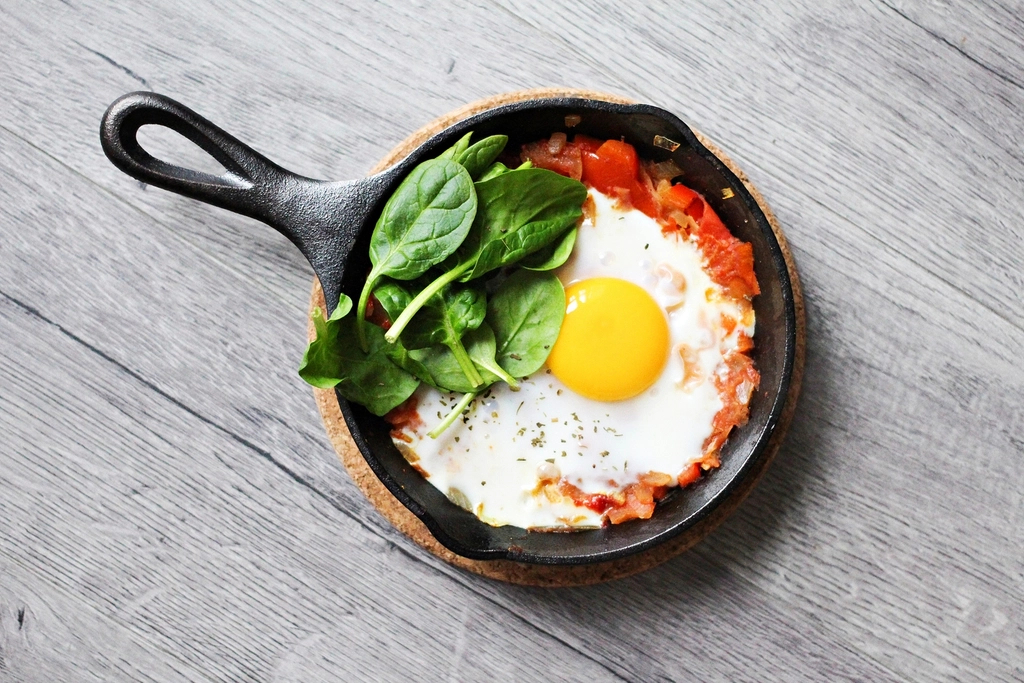
Breakfast: eggs with whole-grain toast and berries, or Greek yogurt with oats and nuts. Lunch: a bowl with chicken or lentils, vegetables and a modest portion of brown rice or quinoa. Snack: an apple with cheese or peanut butter. Dinner: fish or tofu, a large serving of vegetables and potatoes with skin. Each meal pairs carbohydrates with protein and fibre, and a short walk after lunch and dinner helps further.
Breakfast matters for many people
Blood sugar responses are often larger in the morning for people with insulin resistance, a pattern linked to the body clock. Starting the day with a high-protein breakfast rather than cereal, pastries or juice can reduce hunger and cravings later. Studies of high-protein breakfasts in young adults show fewer evening snacks and better appetite control.
Glycemic index and load
The glycemic index (GI) ranks carbohydrate foods by how quickly they raise blood sugar. Glycemic load also accounts for portion size. Lower-GI choices, such as legumes, oats, barley and most fruit, can help people with diabetes. For weight loss, total calories and food quality matter more than GI alone, and GI changes with cooking, ripeness and what the food is eaten with.
Continuous glucose monitors
CGMs measure glucose every few minutes and are valuable for people with diabetes. For healthy people, they can be educational, showing how meals, walks and sleep affect glucose, but they also cause unnecessary worry about normal rises. Readings up to about 7.8 mmol/L after meals are generally considered normal in people without diabetes.
When to get tested
Diabetes Canada estimates that more than one in three Canadians lives with diabetes or prediabetes, and many do not know it. Your doctor can order a fasting glucose or HbA1c test. Consider testing if you:
- Are over 40, or have a family history of type 2 diabetes
- Carry excess weight, especially around the waist
- Have high blood pressure, high cholesterol or a history of gestational diabetes
- Are of South Asian, Asian, African, Hispanic or Indigenous descent, which carry higher risk
- Use anabolic steroids, growth hormone or peptides, which can affect blood sugar
Related guides
Cutting back on sugar, apple cider vinegar and keto diets.
Frequently asked questions
How can I keep my blood sugar stable to lose weight?
Build meals around protein and fibre, choose minimally processed carbohydrates, walk after meals, strength train and sleep well.
Do blood sugar spikes cause weight gain?
Not directly. Fat gain depends mainly on calorie balance, but large swings can increase hunger in some people.
What is a normal blood sugar after eating?
In people without diabetes, levels usually stay below about 7.8 mmol/L two hours after a meal.
Photo: rawpixel (public domain).
General information, not medical advice. Talk to your doctor about blood sugar testing.
Related on Steroids Canada