Fasted cardio burns more fat during the session, but studies show no extra fat loss over weeks when total calories are the same. The body balances fuel use across the day. Choose fasted or fed cardio based on comfort, schedule and performance, not fat-burning claims.
- A 2014 study found identical fat loss with fasted and fed cardio over four weeks.
- Hard or long sessions usually go better after eating.
- Fasted training may suit people who dislike eating early.
Early-morning fasted cardio is a classic of bodybuilding culture: wake up, drink a black coffee, and walk or ride before breakfast. The idea is that with no food available, the body burns more stored fat. It is half right, and the half that is wrong matters.
The theory
After an overnight fast, insulin is low and glycogen in the liver is partly used up. Low insulin makes it easier for fat cells to release fat, so a larger share of the energy used during exercise comes from fat. Measurements during fasted exercise confirm this: fat oxidation is higher than after a meal.
What studies show over time
The key question is whether more fat burned during the session leads to more fat lost over weeks. Research says no. In a 2014 study by Schoenfeld and colleagues, young women did one hour of moderate cardio three times a week, either fasted or after a meal-replacement shake, while following the same calorie deficit. After four weeks, both groups lost similar amounts of weight and fat. A 2017 meta-analysis found no meaningful difference in body composition between fasted and fed training.
The reason is that the body adjusts fuel use across the whole day. If you burn more fat in the morning, you tend to burn relatively more carbohydrate later, and vice versa. Over 24 hours and over weeks, total energy balance decides fat loss.
Performance
For easy, low-intensity cardio such as walking, fasting makes little difference to performance. For harder or longer sessions, such as intervals, tempo runs or rides over an hour, eating beforehand generally improves performance. A review by Aird and colleagues (2018) found aerobic performance in sessions over 60 minutes was better when fed. Better workouts lead to better fitness, and potentially more calories burned overall.
Muscle
Fasted training slightly increases muscle protein breakdown, especially in long or intense sessions. With enough daily protein and a protein-rich meal after training, this is unlikely to matter much for most people. Those concerned can take 10–20 g of whey or essential amino acids before training, which barely affects fat burning but limits breakdown.
Who might prefer fasted cardio
- People who feel nauseous exercising after eating
- Early risers who would otherwise skip exercise to make time for breakfast
- People using time-restricted eating; see intermittent fasting for lifters
- Those doing short, easy walks
Who should eat first
- People doing intervals, long sessions or races
- Anyone who gets dizzy or shaky when training fasted
- People with diabetes on insulin or sulfonylureas, who risk low blood sugar
- Anyone using stimulants, clenbuterol or thyroid hormone, which raise heart rate and can lower blood sugar further
Coffee before fasted cardio
Many people drink black coffee before morning cardio. Caffeine can increase fat release and make the session feel easier, without adding calories. Keep doses moderate and avoid it if it upsets your stomach on an empty stomach. See caffeine and fat loss.
Fasted cardio in a Canadian winter
Dark, cold mornings make early fasted cardio harder in winter. Indoor options such as a treadmill, stationary bike or indoor track keep the routine going. If you walk outside before breakfast, dress in layers and watch for ice; cold also raises energy use slightly as the body works to stay warm.
A practical morning routine
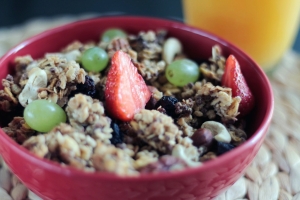
If you like fasted mornings, a simple routine works well: water and a black coffee on waking, 30–45 minutes of brisk walking or easy cycling, then a protein-rich breakfast such as eggs with toast or Greek yogurt with oats and fruit. Save harder sessions for later in the day after a meal, or eat a small snack such as a banana before morning intervals.
The bottom line
Do cardio when it suits you best. If fasted morning walks help you stay consistent, they work well. If you train better after eating, eat. Fat loss depends on your overall calorie deficit, protein intake, strength training and daily movement. See cutting without losing muscle and daily movement.
Frequently asked questions
Does fasted cardio burn more fat?
It burns more fat during the session, but studies show no extra fat loss over weeks when total calories are matched.
Should I eat before cardio?
For hard or long sessions, eating usually improves performance. For easy walks, it makes little difference.
Does fasted cardio burn muscle?
It slightly increases muscle breakdown, but with enough daily protein this is unlikely to matter for most people.
Photo: Direct Media, StockSnap (public domain).
General information, not medical advice.
Related on Steroids Canada