Low-impact exercise is easy on the joints and ideal for beginners carrying extra weight. Walking, cycling, swimming, water aerobics and strength training all build fitness and support weight loss. Starting small and progressing gradually prevents injury and builds a lasting habit.
- Start with 10–15 minutes a day and build up.
- Strength training protects joints and muscle.
- Any movement counts, and consistency matters more than intensity.
Starting to exercise with extra weight can feel daunting: joints may ache, breathing gets hard quickly, and gyms can feel intimidating. Low-impact options solve many of these problems. Here is how to start safely and build up.
Why low impact?
Running and jumping put forces of two to three times body weight through the knees and hips with each step. For heavier beginners, that increases the risk of joint pain and injury. Low-impact activities keep at least one foot on the ground or support body weight, giving the benefits of exercise with much less stress on joints.
The best low-impact options
| Activity | Benefits | Tips |
|---|---|---|
| Walking | Free, easy to start, builds daily movement | Good supportive shoes; start flat |
| Stationary cycling | Very joint-friendly, easy to adjust | Recumbent bikes support the back |
| Swimming and water walking | Water supports body weight | Great for joint pain; see swimming |
| Water aerobics | Social, supportive | Offered at most community pools |
| Elliptical | Full-body with low impact | Start with short intervals |
| Strength training | Builds muscle, supports joints | Machines are easy to learn |
| Chair exercises | For very limited mobility | Seated marching, arm raises, band work |
A four-week starter plan
- Week 1: walk 10–15 minutes daily; two short strength sessions with machines or bodyweight (sit-to-stand, wall push-ups, band rows).
- Week 2: walk 15–20 minutes daily; add one cycling or swimming session.
- Week 3: walk 20–25 minutes; two strength sessions with slightly more resistance.
- Week 4: 25–30 minutes of walking or cycling most days; two to three strength sessions.
Use the “talk test”: you should be able to speak in short sentences during cardio. Mild muscle soreness is normal; sharp joint pain is a signal to modify.
Strength training for beginners
Strength training is often skipped by beginners focused on weight loss, but it is one of the most valuable things you can do. It preserves muscle as you lose weight, strengthens the muscles around the knees and hips, improves blood sugar control, and makes daily activities easier. Start with:
- Sit-to-stand from a chair
- Wall or incline push-ups
- Resistance band rows
- Glute bridges
- Leg press and seated machines at the gym
Two sessions a week of 20–30 minutes is enough to start. See preserving muscle.
Tracking progress beyond the scale
Early wins often have nothing to do with weight: walking farther without stopping, climbing stairs without getting out of breath, sleeping better, having less joint pain, and lifting more on the leg press. Writing these down keeps motivation high in the first months, when the scale may move slowly. A simple step counter helps you see daily movement climb week by week. Celebrate consistency, such as three weeks in a row of hitting your plan, rather than focusing only on the number on the scale.
Working with a physiotherapist, kinesiologist or personal trainer for a few sessions can help, especially with joint problems. Many Canadian workplace benefit plans cover physiotherapy, and kinesiologists are regulated health professionals in several provinces.
Overcoming common barriers
- Gym anxiety: start at home or outdoors, go at quiet times, or try a beginner class.
- Joint pain: water exercise and cycling are often comfortable when walking is not.
- Breathlessness: use intervals, such as 2 minutes walking and 1 minute slower.
- Chafing: moisture-wicking clothing and anti-chafe balm help.
- Winter: mall walking, community centre tracks and home cycling.
- Cost: many Canadian municipalities offer subsidised recreation passes.
Finding support
Exercising with others makes it easier to stick with. Walking groups, community centre classes, water aerobics and beginner-friendly gyms exist across Canada. Some hospitals and community health centres run supervised exercise programmes for people with diabetes, heart conditions or obesity; ask your doctor about local options.
Exercise and weight loss
Exercise improves health, mood and fitness at any weight, even before significant weight loss. For weight loss itself, diet does most of the work, while exercise helps keep weight off and protect muscle. See realistic weight-loss timelines and daily movement.
Frequently asked questions
What is the best exercise for overweight beginners?
Walking, cycling, swimming, water aerobics and beginner strength training are all safe, effective starting points.
How much exercise should I start with?
10–15 minutes a day, building gradually towards 150 minutes a week of moderate activity plus two strength sessions.
Should I lose weight before strength training?
No. Strength training helps at any weight and protects joints and muscle during weight loss.
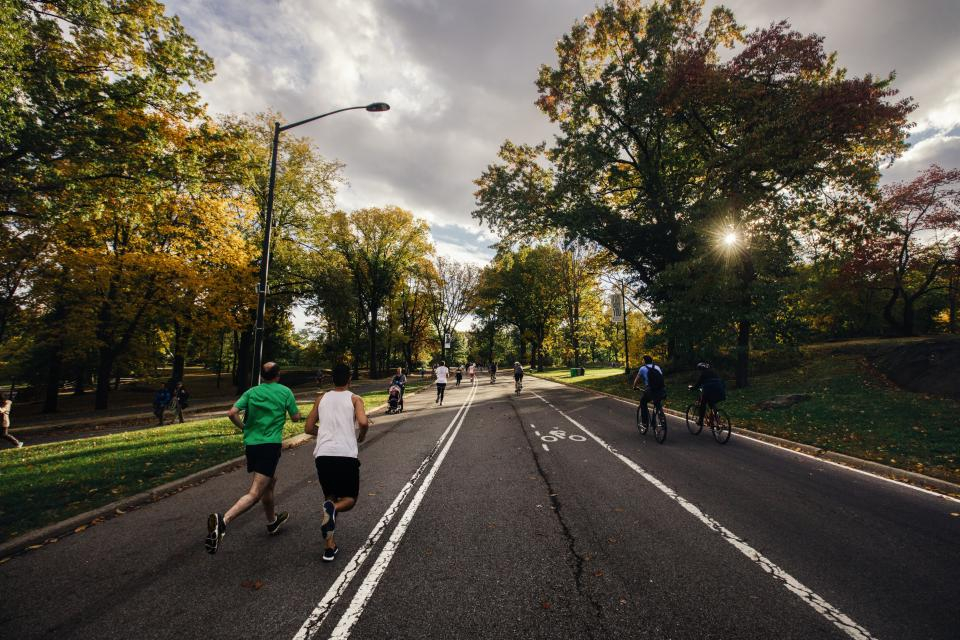
Photo: Chanan Greenblatt, StockSnap (public domain).
General information, not medical advice.
Related on Steroids Canada