

Introduction
Somewhere in a sprawling warehouse near Toronto's Pearson Airport, a CBSA officer is pulling apart a padded envelope labeled "vitamins.
Somewhere in a sprawling warehouse near Toronto’s Pearson Airport, a CBSA officer is pulling apart a padded envelope labeled “vitamins.” Inside? Three vials of testosterone enanthate and a bag of Anavar tabs. The sender’s address traces back to a pharmacy in Eastern Europe that doesn’t actually exist. This scene plays out thousands of times a year – and most people ordering gear from overseas have zero clue what kicks off once their package hits Canadian soil.
If you’re trying to understand canadian steroids customs enforcement, buckle up. The system is more sophisticated than most gym-floor rumors suggest, and the stakes go well beyond losing a $200 order. We’re talking seizure databases, RCMP referrals, and – in some cases – actual prison time.
How Canadian Law Classifies Steroids (And Why That Matters at the Border)
Anabolic steroids land under Schedule IV of the Controlled Drugs and Substances Act. That’s the same federal legislation covering everything from opioids to amphetamines – though steroids sit in a less severe category than those harder substances. Don’t let that fool you into thinking it’s a slap on the wrist, though. Possession without a doctor’s prescription? Illegal. Full stop. Importing ste
Inside the CBSA Screening Machine: How Packages Get Flagged
Not every international parcel gets cracked open. That would be physically impossible – millions of packages flow through Canadian processing hubs each month. But the CBSA has gotten frighteningly good at identifying the ones worth pulling aside.
X-ray scanning catches more than people realize. Every international package routes through centralized mail facilities in Vancouver, Toronto, or Montréal, where conveyor-belt imaging systems photograph the contents in real time. Vials show up with distinctive shapes and density signatures. Blister packs of pills have recognizable outlines. An officer who’s been staring at these screens for eight hours can spot pharmaceutical products mixed in with “clothing” or “electronics” almost instinctively.
Then there’s the algorithmic side. CBSA runs a risk-profiling system that cross-references shipping origin, declared value, sender history, package weight, and customs declarations against known red-flag indicators. A 400-gram package declared as “health supplements” from a country notorious for underground steroid labs? That package is getting pulled before a human even looks at it. The system learns, too – it gets smarter with each seizure, building profiles of common shipping routes and packaging methods.
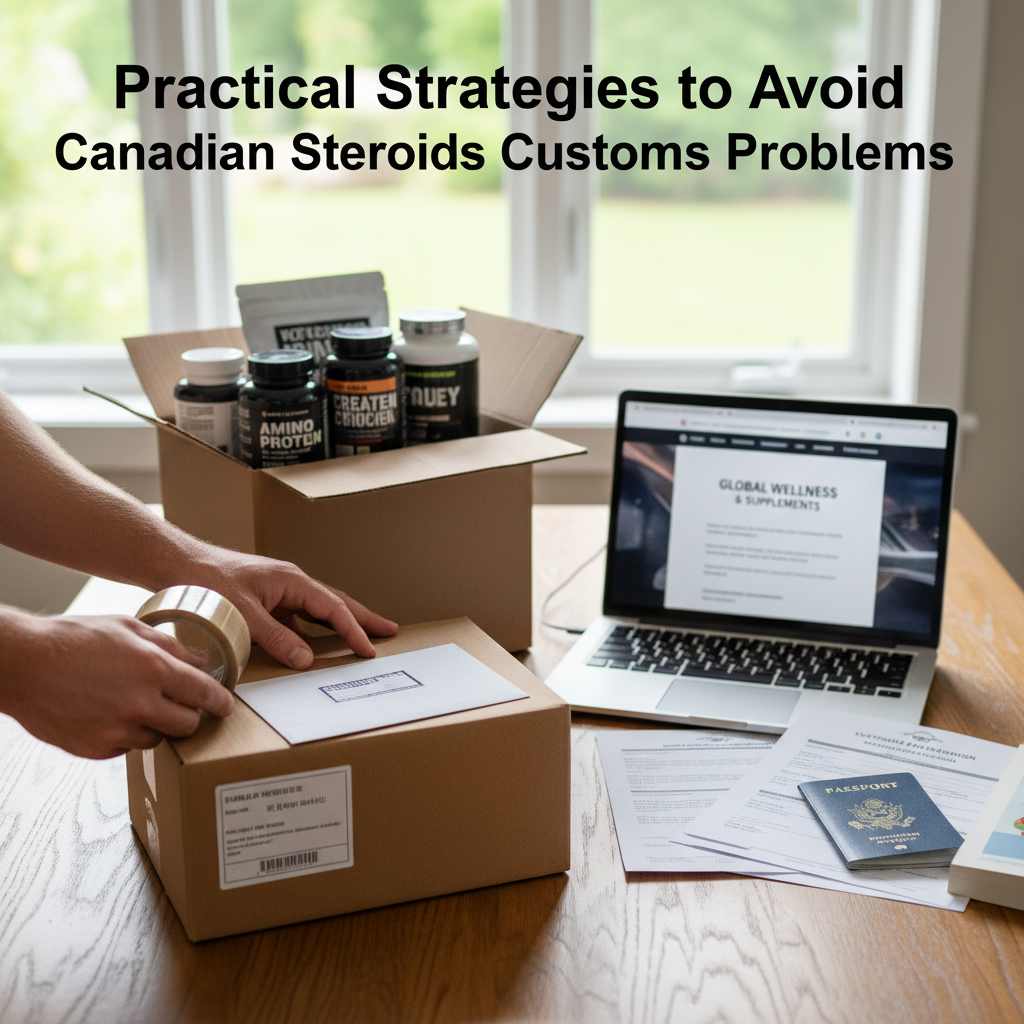
Once a parcel is flagged, physical inspection follows. Officers open it, photograph everything, and catalog the contents. If the product is clearly labeled pharmaceutical-grade gear, they might skip laboratory testing and move straight to seizure. Underground lab products – those sketchy vials with hand-printed labels and no lot numbers – get sent to Health Canada’s Drug Analysis Service. Lab turnaround takes anywhere from two to six weeks, depending on backlog.
After confirmation that the substance is indeed a Schedule IV controlled steroid, CBSA issues a formal seizure notice. Bodybuilding forums call this the “love letter.” It arrives at your home address, identifies what was found, cites the relevant CDSA sections, and outlines your options. At that point, the damage is done – your product is gone, your information is logged, and depending on quantity and history, law enforcement may come knocking.
The Seizure Timeline: What Unfolds Week by Week
Knowing the typical sequence takes some of the mystery out of it. Won’t make the situation less serious, but at least you won’t be guessing in the dark.
Won't make the situation less serious, but at least you won't be guessing in the dark.
Your package gets yanked from the mail stream and held at the processing facility.
CBSA opens the parcel, documents what's inside, and decides whether lab analysis is necessary.
This is when the "love letter" lands in your mailbox.
Practical Strategies to Avoid Canadian Steroids Customs Problems
The most bulletproof approach is embarrassingly
Ordering from a Canadian-based supplier means your package travels through domestic carrier networks – Canada Post, Purolator, whatever – and never touches a CBSA inspection point.
Those $15 vials from overseas pharmacies
Do the math differently, though.
Stacking multiple international orders in quick
CBSA's profiling system flags repeat recipients.
If you hold a legitimate prescription
Physical copies, digital copies, whatever works.
Reputable domestic suppliers use discreet packaging
This isn't about pulling one over on anyone – it's basic privacy.
Frequently Asked Questions About Canadian Steroids Customs
Why Domestic Sourcing Is the Only Rational Play Going Forward
CBSA isn’t easing up. Their enforcement budget jumped by $142 million in the 2026 federal allocation, with specific carve-outs for upgraded mail screening technology at all three major processing centers. New scanning equipment. Better algorithms. More trained officers reviewing flagged parcels. The net is getting tighter, not looser.
The legal landscape isn’t softening either. There’s been zero political appetite – from any party – to reclassify anabolic steroids or relax importation rules. If anything, the trend lines point toward stricter enforcement as public health messaging around performance-enhancing drugs intensifies. Hoping for a more permissive future is wishful thinking disconnected from political reality.
Every international order is a roll of the dice where the house edge keeps growing. Maybe your package slips through. Maybe it doesn’t. Maybe the first one makes it and the second gets pulled, and now you’re a flagged address receiving a visit from investigators who want to know about your “supplement habit.” The risk-reward calculation stopped making sense years ago for anyone paying attention.
Sourcing domestically within Canada eliminates the entire customs variable from the equation. No border agents, no scanning technology, no intelligence databases, no love letters, no RCMP referrals. Your package is just another parcel moving through the Canadian postal system. That’s it. That’s the whole strategy – and it’s the only one that consistently works.
Your choices about what you put in your body are yours to make. Just don’t let sloppy logistics turn a personal decision into a federal problem.
🔗 Related on Steroids Canada