
An underactive thyroid (hypothyroidism) can cause modest weight gain and make weight loss feel harder; an overactive thyroid (hyperthyroidism) usually causes weight loss. Both are diagnosed with a TSH blood test and treated effectively. With good treatment, people with hypothyroidism can lose weight with the same approaches as anyone else.
- Weight gain from hypothyroidism is often a few kilograms, partly fluid.
- Levothyroxine should be taken consistently, usually on an empty stomach.
- Taking thyroid hormone for weight loss without a deficiency is risky.
Thyroid problems are common in Canada, especially among women, and many people wonder whether their thyroid is behind their weight. Here is how thyroid conditions affect weight and what helps.
How the thyroid controls metabolism
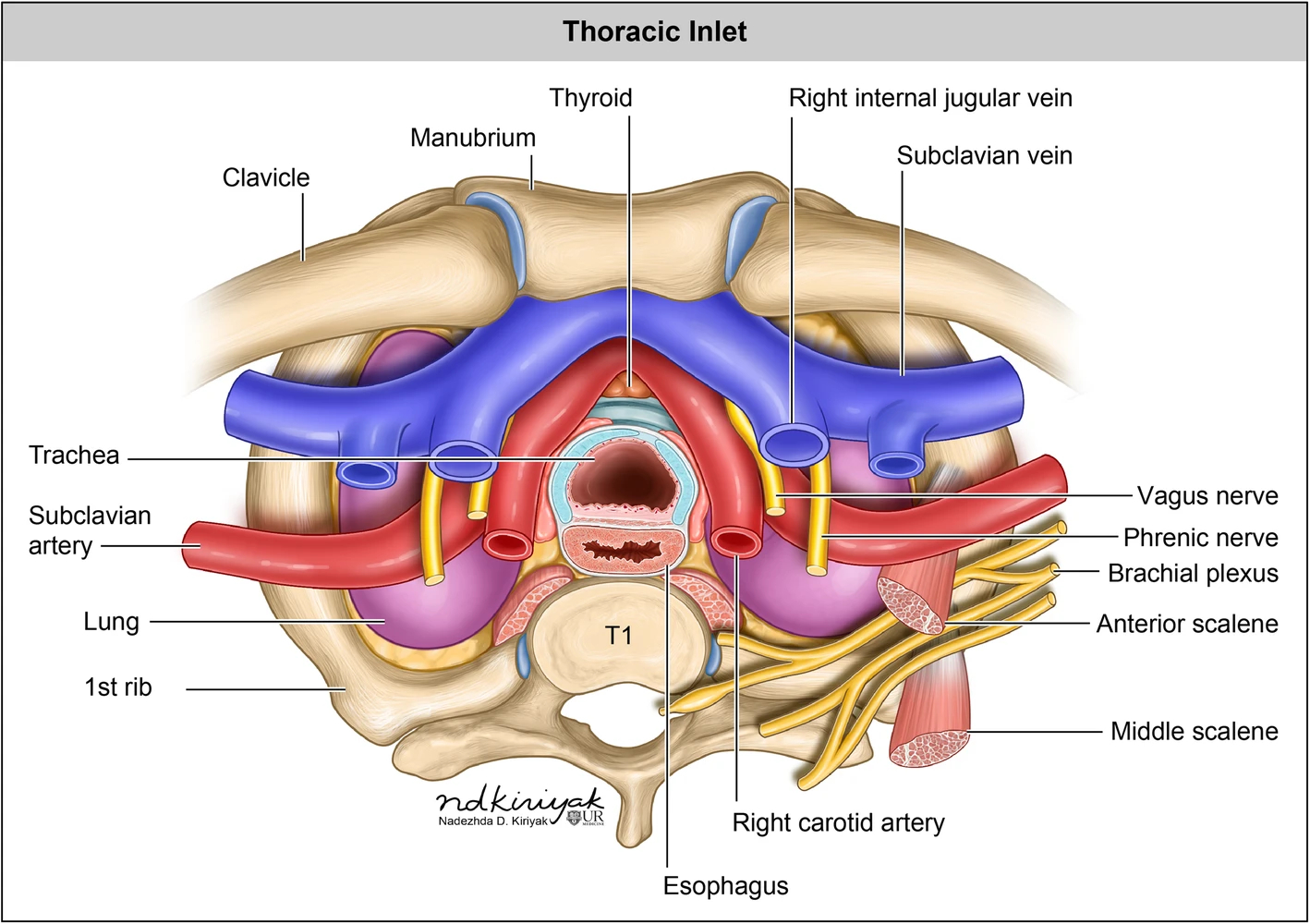
The thyroid gland in the neck makes T4 and T3, hormones that set the pace of metabolism in nearly every cell. The pituitary gland controls it through TSH (thyroid-stimulating hormone). When thyroid hormone is low, TSH rises; when it is high, TSH falls. This makes TSH the main screening test.
Hypothyroidism
The most common cause in Canada is Hashimoto’s thyroiditis, an autoimmune condition. Symptoms develop slowly:
- Fatigue and sluggishness
- Feeling cold
- Constipation
- Dry skin and hair, hair thinning
- Low mood and poor concentration
- Heavy or irregular periods
- Modest weight gain
Weight gain is usually a few kilograms and includes retained fluid. Larger gains are more often due to other factors, such as reduced activity because of fatigue.
Hyperthyroidism
An overactive thyroid, often from Graves’ disease, speeds metabolism: weight loss despite a good appetite, rapid heartbeat, anxiety, tremor, heat intolerance and sweating. Treatment can lead to some weight regain, which is normal as metabolism returns to baseline.
Testing in Canada
Your doctor can order a TSH test, with free T4 if TSH is abnormal. Thyroid antibodies can confirm Hashimoto’s. Tests are covered when ordered by a doctor. Subclinical hypothyroidism, a mildly raised TSH with normal T4, often does not need treatment, especially in older adults, and usually does not cause significant weight gain.
Treatment and weight
Hypothyroidism is treated with levothyroxine (Synthroid, Eltroxin), a synthetic T4. Most people notice more energy within weeks, and some lose the fluid-related weight. Tips:
- Take it at the same time daily, on an empty stomach, 30–60 minutes before breakfast or at bedtime.
- Separate it by four hours from calcium, iron, magnesium and some antacids, which block absorption.
- Coffee and high-fibre meals at the same time can reduce absorption.
- Get TSH rechecked about six to eight weeks after dose changes.
Losing weight with hypothyroidism
Once thyroid levels are normal, weight loss follows the same principles as for anyone: a moderate calorie deficit, enough protein, strength training and daily movement. Fatigue can be the biggest barrier early on, so start with gentle activity and build up. If weight loss is very difficult despite normal TSH, discuss other causes with your doctor. See hormonal causes of weight gain and metabolism.
Thyroid hormone for fat loss
Some people use T3 (Cytomel) or T4 to speed fat loss without a thyroid problem. This can cause heart rhythm problems, muscle loss and bone loss, and suppresses the body’s own thyroid. See T3 for fat loss.
Exercise with a thyroid condition
Once thyroid levels are well controlled, exercise is safe and beneficial for most people with hypothyroidism. Start gradually if fatigue has been an issue, and combine strength training with walking or cycling. People with untreated hyperthyroidism should avoid intense exercise until their heart rate is controlled, as the heart is already working harder than normal.
Supplements and diet myths
- Iodine: Canadian table salt is iodized, and deficiency is uncommon. Extra iodine or kelp can worsen some thyroid conditions.
- Biotin: high-dose biotin (in hair and nail supplements) can interfere with thyroid blood tests; stop it a few days before testing.
- Gluten-free diets help people with coeliac disease, which is more common with autoimmune thyroid disease, but are not a thyroid treatment otherwise.
Thyroid conditions in pregnancy and after
Thyroid needs increase in pregnancy, and women taking levothyroxine usually need a dose adjustment as soon as pregnancy is confirmed. Some women develop postpartum thyroiditis, a temporary thyroid inflammation after childbirth that can cause fatigue, mood changes and weight changes. Tell your doctor if you have symptoms in the year after giving birth.
Frequently asked questions
How much weight gain does hypothyroidism cause?
Usually a few kilograms, partly from fluid. Larger gains often have other causes too.
Will I lose weight on levothyroxine?
Some people lose fluid-related weight. Further loss depends on diet and activity once levels are normal.
What is a normal TSH level?
Reference ranges vary by lab, commonly around 0.3–4.5 mIU/L. Your doctor will interpret results with symptoms.
Photo: Nadezdha D. Kiriyak, Wikimedia Commons (CC BY 4.0).
General information, not medical advice.
Related on Steroids Canada