
💪 The Difference Between Bulking and Cutting Cycles Explained
A comprehensive Canadian guide to understanding muscle-building and fat-loss phases in bodybuilding
⚠️ Educational Disclaimer: This article provides neutral, educational information for readers in Canada. It does not endorse or encourage the non-medical use of anabolic steroids or other performance-enhancing substances. Always consult a licensed healthcare professional before making any decisions about your health, training, or supplementation. The information presented here is for educational purposes only and should not be considered medical advice.
The terms "bulking" and "cutting" are widely used in bodybuilding and strength sports, but they often create confusion. Many people only see the surface — eat more to bulk, eat less to cut. In reality, these phases are more complex, especially when performance-enhancing substances are brought into the picture.
For Canadian athletes and fitness enthusiasts, understanding these concepts is essential whether you choose to pursue natural bodybuilding or are simply curious about the culture surrounding competitive physique sports. The decisions you make about your training and nutrition approach will significantly impact your results, health, and long-term relationship with fitness.
Below we explore how bulking and cutting work from a physiological standpoint, why some people introduce steroids into these phases, what science says about both the perceived benefits and documented risks, the Canadian legal situation surrounding these substances, and evidence-based strategies to pursue your fitness goals safely and effectively.
✨ What This Guide Covers
Here's everything you'll find in this comprehensive guide to bulking and cutting cycles:
📖 A Brief Background on Bulking and Cutting
The practice of alternating bulking and cutting phases goes back decades in bodybuilding. Athletes learned through trial and error that trying to build maximum muscle while staying extremely lean was nearly impossible for most people. The body's physiological systems simply don't work that way for the vast majority of individuals. By dividing the year into "growth" and "shredding" seasons, they could focus on one goal at a time and maximize their results in each phase.
Originally this was done naturally, with food and training as the main tools. Bodybuilders in the 1940s and 1950s understood that they needed to eat in a caloric surplus to build muscle, then reduce calories to reveal the muscle they had built. This cyclical approach to nutrition and training became the foundation of competitive bodybuilding preparation that we still see today.
Over time, as anabolic steroids became more widespread in the bodybuilding world during the 1960s and beyond, they were integrated into both bulking and cutting cycles to accelerate progress. These substances allowed athletes to push beyond what was naturally possible, fundamentally changing the landscape of competitive bodybuilding and creating physiques that would have been unimaginable to earlier generations of athletes.
Today, even recreational gym-goers talk about these phases, often without fully understanding the implications or the risks involved. The terminology has become mainstream, but the nuanced understanding of how these phases work — and especially the risks associated with trying to enhance them with drugs — often gets lost in casual gym conversation. This guide aims to provide that deeper understanding for Canadian fitness enthusiasts.
📈 The Physiology of Bulking and Cutting
Understanding the Bulking Phase
At its core, bulking relies on a calorie surplus: eating more energy than you burn on a daily basis. Combined with progressive resistance training, this surplus provides the building blocks — protein, carbohydrates, and fats — for muscle repair and growth. When you train with weights, you create microscopic damage to your muscle fibers. Your body repairs this damage during rest periods, and when provided with adequate nutrition, it builds the fibers back slightly larger and stronger than before.
The challenge with bulking is that your body cannot perfectly partition all excess calories into muscle tissue. Inevitably, some fat storage occurs alongside lean mass gains. The goal of a well-designed bulk is to maximize muscle gain while minimizing unnecessary fat accumulation. This is why coaches often recommend a modest surplus of 10-15% above maintenance calories rather than the "dirty bulk" approach of eating everything in sight.
During a bulk, your body is in an anabolic state, meaning it is primed for building tissue. Hormone levels, including testosterone and insulin, play crucial roles in this process. Your training should focus on progressive overload — gradually increasing the weight, reps, or volume over time to continually challenge your muscles and stimulate adaptation.
Understanding the Cutting Phase
Cutting is the opposite approach — a calorie deficit where you burn more energy than you consume. This forces the body to mobilize stored energy, primarily from fat stores, to make up the difference. The result, when done properly, is a gradual reduction in body fat that reveals the muscle definition you built during your bulking phase.
The challenge with cutting is that calorie deficits also increase the risk of muscle loss. When your body is in a catabolic state due to insufficient energy intake, it may break down muscle tissue for fuel alongside fat. Smart cutting strategies therefore aim to minimize strength and muscle declines while gradually reducing body fat. This involves maintaining adequate protein intake, continuing to lift heavy weights, and not cutting calories too aggressively.
Most experts recommend a moderate deficit of 15-20% below maintenance calories. Cutting too fast often leads to muscle loss, metabolic adaptation, and eventual diet failure. A slower approach preserves more muscle and is more sustainable psychologically.
The Role of Natural Factors
Without drugs, these processes are heavily influenced by diet quality, training programming, sleep duration and quality, stress levels, and genetics. Some individuals are naturally more prone to gaining muscle, while others may find fat loss easier. With steroids, the body's physiology is altered in significant ways, often enabling faster muscle retention or gain even in less-than-ideal calorie conditions. This is one reason why steroid users can sometimes achieve results that seem to defy normal physiological rules — but these results come with significant trade-offs that we will explore later in this guide.
📊 Bulking vs Cutting: A Detailed Comparison
| Aspect | Bulking Cycle | Cutting Cycle |
|---|---|---|
| Primary Goal | Build maximum muscle mass, increase overall strength, and improve training capacity through progressive overload | Reduce body fat percentage while preserving as much lean muscle tissue as possible for a defined appearance |
| Typical Duration | Typically 12–16 weeks, though some athletes extend to 20+ weeks for maximum muscle accumulation | Usually 8–12 weeks, often timed before competitions, photo shoots, or summer season |
| Calorie Strategy | 10–15% above maintenance (calorie surplus) to provide energy for muscle growth and recovery | 15–20% below maintenance (calorie deficit) to force the body to utilize stored fat for energy |
| Protein Intake | 1.6–2.0 g/kg bodyweight daily to support muscle protein synthesis and recovery | 2.0–2.4 g/kg bodyweight daily — higher protein helps preserve muscle during calorie restriction |
| Compounds Referenced* |
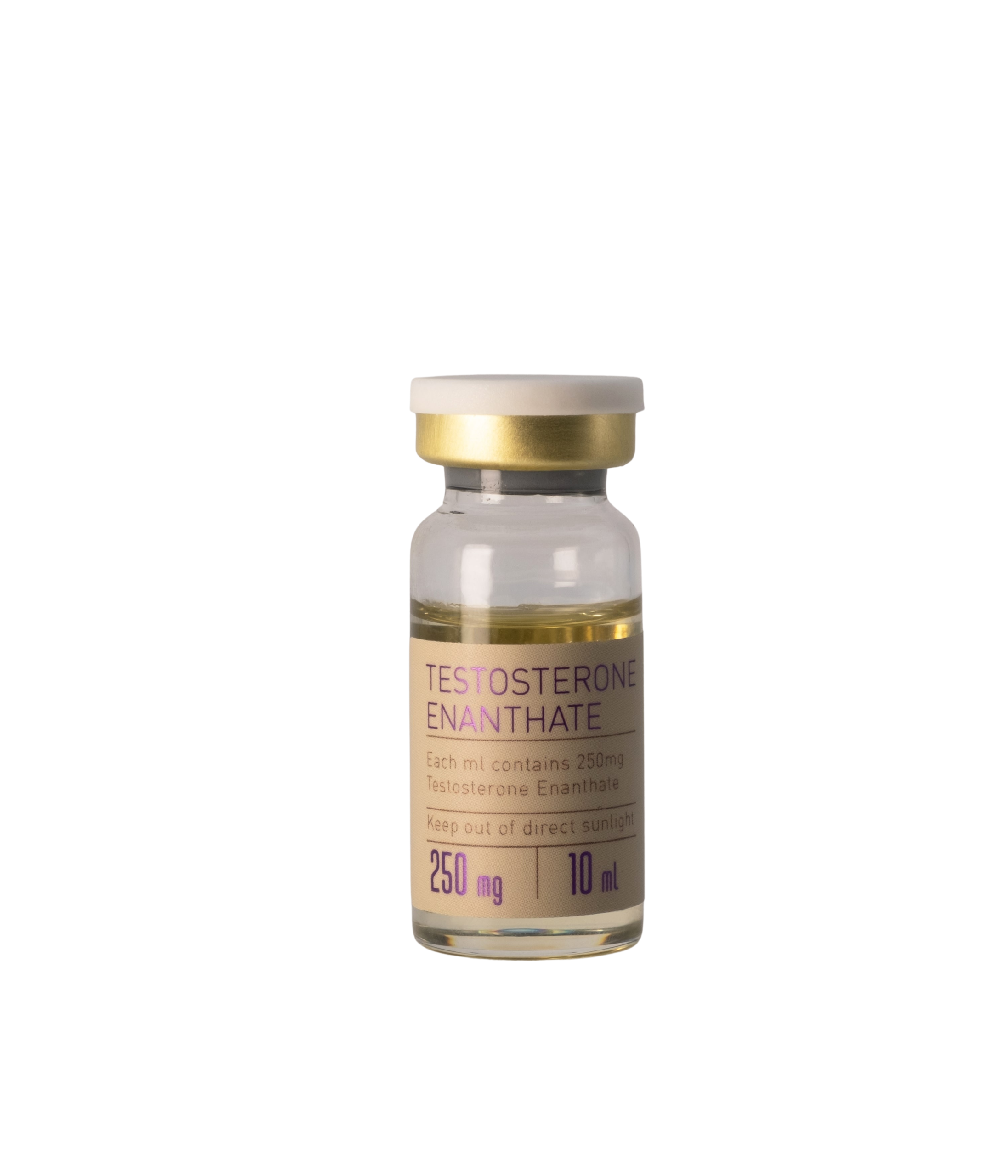
Testosterone Enanthate (~500 mg/week) Nandrolone Decanoate (~300–400 mg/week) Dianabol (20–30 mg/day, first 4–6 weeks) |
Testosterone Propionate (~300–400 mg/week) Winstrol (50 mg every other day) Anavar (40–60 mg/day) Clenbuterol (short bursts) |
| Training Approach | Heavy compound lifts, progressive overload, high training volume, emphasis on strength gains | Maintain heavy lifting to preserve muscle, add cardio for calorie burn, moderate volume |
| Cardio Requirements | Minimal cardio, primarily for cardiovascular health — typically 2-3 sessions of 20-30 minutes | Increased cardio for additional calorie expenditure — often 4-6 sessions including HIIT and LISS |
| Expected Results | Fuller muscles, significant strength increases, steady scale weight gain, improved training capacity | Leaner appearance, visible muscle definition, increased vascularity, lower scale weight |
| Potential Drawbacks | Water retention, bloating, acne, some fat gain, hormonal suppression if using compounds | Fatigue, hunger, joint discomfort, irritability, possible muscle loss if deficit too aggressive |
*Compound information is provided for educational purposes only and does not constitute a recommendation for use.
🔥 Steroids in Bulking Phases
During bulking phases, some athletes introduce anabolic steroids believed to maximize protein synthesis and accelerate recovery. Testosterone and its derivatives, nandrolone, and various oral compounds are frequently mentioned in bodybuilding circles as tools for pushing past natural limitations.
The appeal is understandable from a purely results-driven perspective. Natural muscle building is slow — most people can expect to gain perhaps 1-2 pounds of actual muscle tissue per month under optimal conditions. Steroids can dramatically accelerate this process, which is why they remain prevalent in competitive bodybuilding despite the known risks.
Perceived benefits that attract some athletes include:
- Rapid muscle gain that exceeds what is naturally possible, sometimes dramatically so
- Enhanced recovery that allows for harder, more frequent training sessions with less downtime
- Significant strength increases that fuel progressive overload and compound lifting performance
- Improved nitrogen retention that keeps the body in a highly anabolic state
- Increased red blood cell production that can enhance training endurance
- Greater motivation and aggression in the gym, often described as enhanced "drive"
However, these effects come paired with significant risks. Water retention and bloating are common, particularly with aromatizing compounds that convert to estrogen. Hormonal disruption is inevitable — the body's natural testosterone production shuts down when external hormones are introduced. Gynecomastia, the development of breast tissue in males, is a real concern. Perhaps most seriously, cardiovascular strain begins immediately and accumulates with continued use.
Many users report that they underestimated the side effects before starting, believing they could manage them with ancillary drugs. While some sides can be mitigated, many cannot be completely avoided, and the long-term health implications are still being understood by medical researchers.
🏋️ Steroids in Cutting Phases
Cutting cycles in steroid-using communities often involve different compounds than bulking phases. The goal shifts from maximum mass accumulation to preserving muscle while stripping away body fat. Stanozolol (Winstrol), oxandrolone (Anavar), and various fat-burning agents like clenbuterol are commonly referenced in these protocols.
The rationale is that these "cutting compounds" produce less water retention than bulking steroids, helping athletes achieve a drier, more defined appearance. Some compounds are also believed to have direct fat-burning properties, though the scientific evidence for this varies.
Perceived goals of steroid-assisted cutting include:
- Maintaining or even building strength while eating in a significant caloric deficit
- Preserving hard-earned muscle tissue that would normally be at risk during prolonged dieting
- Achieving a more "dry" or defined appearance without subcutaneous water retention
- Faster fat loss through potential metabolic enhancement
- Maintaining training intensity and gym performance despite reduced calorie intake
- Achieving conditioning levels that would be extremely difficult to reach naturally
Even at lower calorie intake, the health risks remain high and in some cases may be amplified. Hormone suppression continues to be a major concern. Cardiovascular stress may actually increase during cutting due to the combination of drug use, caloric restriction, and increased cardio training. Many cutting compounds are also hepatotoxic, meaning they place significant stress on the liver.
Psychological effects are commonly reported during cutting phases as well. The combination of caloric restriction, intense training, and hormonal manipulation can lead to mood swings, irritability, anxiety, and in some cases depression. These effects are documented in both scientific studies and extensive anecdotal reports from the bodybuilding community.
⚠️ Health Risks of Steroid Use
Understanding the full scope of potential health consequences is essential for anyone considering these substances.
Research and clinical reports highlight multiple serious risks associated with anabolic steroid use. These risks exist regardless of the quality of the products, the care taken in administration, or the use of ancillary medications:
High blood pressure, negative changes in cholesterol profiles (lowered HDL, elevated LDL), increased risk of heart attack, stroke, and left ventricular hypertrophy. These effects can persist long after steroid use ends.
Particularly concerning with oral steroids that are 17-alpha-alkylated to survive liver metabolism. Can lead to elevated liver enzymes, cholestasis, peliosis hepatis, and in rare cases liver tumors.
Suppressed natural testosterone production that can become permanent with long-term use. Many former users require testosterone replacement therapy (TRT) for life due to inability to recover natural production.
Significantly reduced sperm quality and count, testicular atrophy, and potential long-term or permanent infertility. These effects can persist for months or years after discontinuation.
Mood swings, increased aggression ("roid rage"), anxiety, depression, and in some cases psychotic episodes. Dependency and withdrawal symptoms are also documented concerns.
Severe acne, accelerated male pattern baldness, gynecomastia (breast tissue development), changes in skin texture, and potential tendon weakness despite increased muscle strength.
⚠️ Important: The severity of these effects depends on the specific substances used, dosages, duration of use, and individual genetic factors — but ALL anabolic steroid use carries significant health risks that cannot be completely eliminated.
🍁 The Canadian Legal Context
Understanding the legal landscape in Canada is essential for anyone researching these substances. In Canada, anabolic steroids are regulated under the Controlled Drugs and Substances Act (CDSA). Here's what this means in practical terms for Canadians:
Since regulations can and do change, it's always advisable to check official Government of Canada resources or consult with a healthcare professional or legal expert if you have specific questions. This ensures you stay properly informed about both health considerations and legal requirements.
✅ Safer, Evidence-Based Alternatives
The good news is that impressive physique transformations are absolutely possible without illegal or high-risk substances.
Fortunately, many proven approaches can help people bulk and cut effectively using only legal, safe methods. While progress may be slower than with pharmaceutical assistance, the results are sustainable and come without the health trade-offs:
Progressive overload with intelligent periodization ensures continuous muscle adaptation over time. Working with a qualified coach can help optimize your programming for maximum natural results.
Research consistently suggests 1.6–2.2 g/kg body weight daily supports hypertrophy. Distribute protein across 4-5 meals for optimal muscle protein synthesis throughout the day.
Safe, legal, affordable, and one of the most thoroughly researched supplements available. Proven to enhance strength, power output, and muscle retention during both bulking and cutting phases.
Modest surpluses for bulking (10-15%) and moderate deficits for cutting (15-20%) allow steady, sustainable results without extreme swings that can harm metabolism or muscle retention.
Quality sleep (7-9 hours), stress management techniques, and balanced training that allows for adequate rest between sessions. Recovery is when muscle growth actually occurs.
Working with qualified strength coaches, registered dietitians, or sports nutritionists can optimize your approach. Professional guidance helps avoid common mistakes and accelerates natural progress.
💡 The Bottom Line: These strategies may not deliver the overnight transformations promised by drug-assisted approaches, but they support long-term health, sustainable progress, and a physique you can maintain for life. Natural bodybuilding requires patience, but the results are real and lasting.
🔎 Final Thoughts
Bulking and cutting cycles have been part of bodybuilding culture for decades, and they are not going away anytime soon. They remain powerful tools for shaping your physique, whether you are a competitive athlete or simply someone who wants to look and feel their best. However, when anabolic steroids enter the picture, the entire conversation changes in significant ways.
The reality is that while these substances may dramatically speed up results and allow users to achieve physiques that would be impossible naturally, the trade-off often includes serious and potentially permanent health consequences. The cardiovascular risks alone should give anyone pause, and when you add in hormonal disruption, liver stress, mental health effects, and reproductive concerns, the full picture becomes clear.
For Canadians specifically, there are also legal considerations that should not be taken lightly. Possession without a prescription, trafficking, and importing these substances all carry potential criminal penalties. The legal risks compound the health risks in ways that many people don't fully consider before making decisions.
The good news is that you absolutely do not need steroids to see meaningful, impressive progress in your physique. Research consistently shows that smart training, a well-designed diet, proper sleep, stress management, and patience can deliver results that most people would be thrilled with. Building muscle and reducing body fat safely takes time — often years rather than months — but the long-term rewards are substantial.
Better health, sustainable strength, lasting confidence, and a physique you can maintain without ongoing drug use — these rewards are worth far more than any short-lived quick fix. Natural athletes who put in the work over years develop not just impressive bodies, but deep knowledge, discipline, and habits that serve them throughout their lives.
If your goal is long-term success in fitness and health, focus on what works naturally and sustainably. When you are looking for guidance on bulking versus cutting or any fitness strategy, make sure your sources are credible. Peer-reviewed scientific research, registered health professionals, and official health organizations provide far more reliable information than anonymous internet advice or gym rumors. Your future self will thank you for taking the time to do things right.
📚 References and Further Reading
The following peer-reviewed sources and official resources were consulted in preparing this guide:
Last updated: 2024 | This content is for educational purposes only | Always consult healthcare professionals for personal medical advice
🔗 Related on Steroids Canada