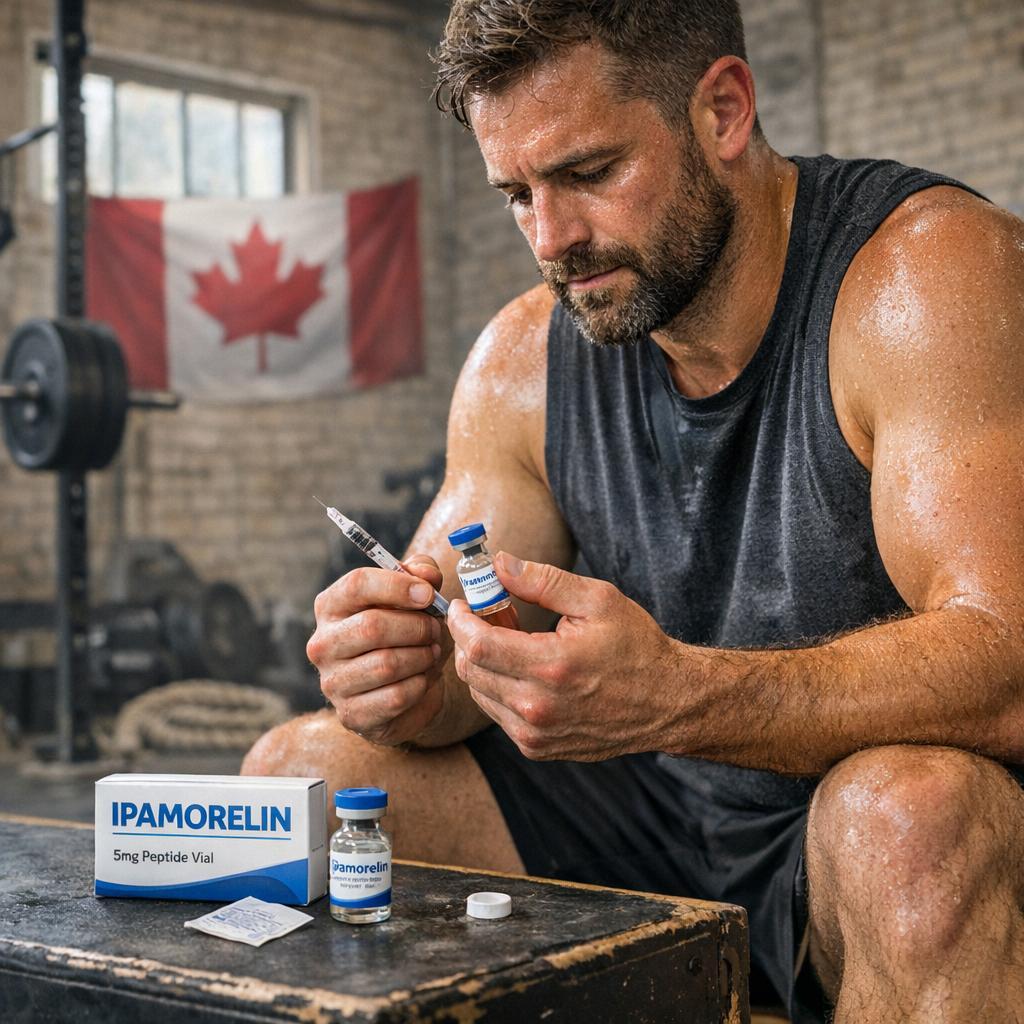
for many Canadians curious about peptide therapy, taking the first step can feel intimidating. Medical jargon,conflicting details online,and concerns about safety or side effects often turn genuine interest into quiet hesitation. If that sounds familiar, you’re not alone—and it’s exactly where Ipamorelin, used on its own, enters the conversation as a gentler, more approachable option.
Ipamorelin is part of a class of compounds known as growth hormone–releasing peptides (GHRPs). Unlike more aggressive peptide combinations or traditional hormone replacement strategies, ipamorelin is often described as “mild but meaningful”: it encourages your body to release its own growth hormone rather than flooding your system from the outside. For many adults in Canada who are exploring peptides for the first time—whether for better sleep,recovery,body composition,or overall vitality—this “nudge rather than shove” approach can feel both reassuring and empowering.
In a Canadian context, however, there are extra layers to consider. Regulations, prescribing practices, and access to reputable pharmacies all influence how—and whether—Ipamorelin can be used safely and legally. There’s also a growing interest among Canadians in proactive health and healthy aging, balanced by a healthy skepticism about anything that sounds too good to be true. That tension makes clear,factual guidance especially critically important.
This article is designed as a detailed, encouraging introduction to Ipamorelin as a standalone peptide for Canadians. You’ll learn what Ipamorelin is and how it works, why some practitioners consider it a “gentle entry point” into peptide therapy, what potential benefits and risks to be aware of, and how Canadian regulations shape access and oversight. While this isn’t a substitute for medical advice,it will give you the clarity and context you need to have an informed,confident conversation with a qualified Canadian healthcare provider about whether Ipamorelin might be an appropriate part of your personal health journey.
Understanding Ipamorelin Standalone How This Gentle Peptide Works In The Canadian Context
At its core, ipamorelin is a selective growth hormone secretagogue, meaning it gently nudges your own pituitary gland to release growth hormone (GH) instead of force-feeding synthetic hormones into your system. Unlike harsher compounds that can cause spikes in cortisol or prolactin, this peptide is designed to keep those stress and reproductive hormones largely untouched, focusing its action on GH and the downstream production of IGF-1. For Canadians exploring wellness options in a landscape of increasingly strict regulations, that selective mechanism is particularly appealing—it aligns with a more measured, longevity-focused approach rather than a “bulking at all costs” mentality. Many users are drawn to its reputation for a smoother, more gradual effect profile, which can be easier to integrate into busy routines shaped by long winters, shift work, and fluctuating daylight.
- Gentle GH support – promotes natural pulses of growth hormone rather than constant overstimulation.
- Goal-flexible – often discussed in relation to body composition, sleep quality, and recovery.
- Stack-optional – can be used on its own, without complex multi-compound protocols.
- Context-aware use – canadians must factor in federal rules,provincial guidance,and access thru clinics or telehealth.
| Aspect | How It’s Commonly Framed in Canada |
|---|---|
| Mechanism | Signals pituitary to release GH in pulses |
| Perceived Feel | Subtle, cumulative, “low-drama” changes |
| Discussion Focus | Recovery, sleep depth, body recomposition |
| Practical Reality | Heavily shaped by canadian prescribing and pharmacy rules |

Assessing Who Ipamorelin Is Best For Clear Signs You May Be A Good Candidate
For many Canadians, this peptide appeals most to those looking for a subtle, sustainable boost rather than a dramatic overnight conversion. You may be a strong match if you’re noticing early signs of age-related slowdowns—such as stubborn body fat, flatter gym performance, or reduced recovery—yet still feel motivated to train, eat well, and sleep properly.People who prefer a measured, low-risk introduction to peptide therapy, especially those cautious about side effects or not ready for powerful hormone replacements, often gravitate toward this option. It also tends to suit busy professionals, shift workers, and parents who want more daytime energy and smoother sleep without feeling “wired.”
- Early or moderate signs of aging rather than advanced hormone depletion
- Beginner to peptides and looking for a gentle “test drive”
- Consistent lifestyle habits (basic exercise, decent nutrition, some sleep structure)
- Desire for fat loss and muscle maintenance, not extreme bodybuilding cycles
- Preference for subtle changes over aggressive, high-risk interventions
| Canadian Profile | Why It May Fit |
|---|---|
| Desk worker in Toronto | Needs help with energy, weight around midsection, and focus |
| Recreational lifter in Calgary | Wants better recovery and sleep without aggressive bulking drugs |
| Busy parent in Vancouver | Seeks gentle support for mood, stamina, and body composition |
| Shift worker in Halifax | Looks for more stable sleep and less “burnout” feeling |
Designing A Low And Slow Ipamorelin Protocol Step By Step Dosing Guidance For Canadians
For a mellow first experience, many Canadians map out their peptide plan the same way they’d plan a long winter training block: start light, listen closely, and make small, intentional adjustments. A commonly used approach is to begin around 100–150 mcg per injection, once daily, for the first 1–2 weeks as a “feel it out” phase.In this stage, timing is everything—most people opt for pre-bed dosing on an empty stomach to sync with natural nighttime growth hormone peaks and reduce any interaction with insulin or heavy meals. As confidence grows and response is assessed,the dose can be eased up toward 200–300 mcg per shot,split into 1–2 daily injections,typically in the morning and before sleep,while maintaining at least 2–3 hours of no food either side of each injection.
- Start low, assess weekly – watch sleep quality, recovery, energy, and appetite rather than chasing rapid changes.
- Use consistent timing – aim for the same windows every day for more stable signalling.
- Plan “cruise” and “pause” blocks – e.g. 8–12 weeks on, followed by 2–4 weeks off to reassess baselines.
- Align with your goals – recovery, fat loss support, or general vitality may influence dose and timing choices.
| phase | Typical Dose | Frequency | Focus |
|---|---|---|---|
| Weeks 1–2 (Intro) | 100–150 mcg | once nightly | Tolerance & sleep feedback |
| Weeks 3–6 (Build) | 150–250 mcg | 1–2x daily | Recovery & body composition |
| Weeks 7–10 (Refine) | 200–300 mcg | 1–2x daily | Fine-tune dose & timing |
| Weeks 11–12 (Deload) | Optional taper | Reduce to nightly or pause | Re-evaluate progress |
What To Expect On Ipamorelin standalone Subtle Benefits Timelines And Trackable Progress
During the first few weeks, most Canadians notice that changes are subtle, not dramatic—a gradual shift rather than an overnight transformation. The earliest signs often show up as improved sleep quality, slightly better morning energy, and a quieter, more stable appetite curve instead of wild cravings. Around weeks 3–6, some people report a gentle increase in workout endurance, faster post-exercise recovery, and a small but meaningful lift in mood and mental clarity. Because this peptide works with your body’s own growth hormone rhythms, benefits tend to stack slowly, making consistency in dosing, sleep, and nutrition more important than chasing rapid wins.
- Weeks 1–2: Subtler sleep improvements, slightly less afternoon crash.
- Weeks 3–6: Noticeable recovery support, mild changes in body composition.
- Weeks 6–12: More visible tightening, better training performance, steadier energy.
- Ongoing: small, sustainable improvements that compound over months, not days.
| Phase | What You Might feel | How to Track It |
|---|---|---|
| Early (1–2 weeks) | Lighter wake-ups, fewer night disruptions | Use a sleep app, note wake times |
| Build (3–6 weeks) | Less soreness, more reps in the gym | log sets, reps, and recovery time |
| Visible (6–12 weeks) | Slightly leaner look, steadier mood | Progress photos, weekly waist measure |
| Long-Term | “New normal” energy and resilience | Monthly check-ins on goals and habits |
Because the shifts are gentle, your best strategy is to turn your experience into data you can see. Simple progress photos in the same lighting, weekly body measurements, and a short journal entry about sleep, energy, and training results will reveal patterns you’d otherwise miss. Over time, you’re looking for a trend of: slightly lower waist or hip measurements, modest strength increases, fewer “wiped out” days, and an easier time staying on track with food choices. When you approach it this way—slow, measured, and observant—this peptide becomes less of a mystery and more of a trackable, empowering experiment in long-term health.
Staying Safe and Confident Navigating Side Effects Interactions And Canadian Medical Oversight
For most healthy Canadian adults, ipamorelin on its own is considered a relatively “soft landing” into the peptide world, but that doesn’t mean it should be taken lightly. Pay attention to subtle shifts: unusual fatigue, headaches, temporary water retention, changes in appetite or sleep, or tingling in fingers and toes. These are often mild and short‑lived, yet they’re still useful signals from your body. Build in a simple self‑check ritual a few times a week and record what you feel in a note‑taking app or wellness journal. This gives your healthcare provider a clear snapshot of what’s happening, especially during the first 4–8 weeks. To stay on the safe side, many Canadians adopt a “start low, go slow” beliefs and avoid stacking ipamorelin with stimulants, heavy alcohol intake, or aggressive fat‑burner supplements.
- Avoid DIY dosing: Always confirm dose and schedule with a qualified professional.
- Disclose everything: Tell your provider about prescription drugs,over‑the‑counter meds,and natural health products.
- schedule follow‑ups: Lab work and blood pressure checks help confirm your response is on track.
- Use reputable channels: Prioritize canadian clinics or pharmacies that follow Health Canada standards.
| Potential Issue | what It Might Look Like | Smart Canadian Response |
|---|---|---|
| Mild fluid shift | Puffy fingers or slight ankle swelling | Log it,reduce sodium,flag at next appointment |
| Sleep changes | Deeper sleep or vivid dreams | Track patterns,adjust timing with your prescriber |
| Drug interaction concern | New symptom after changing another medication | call your doctor or pharmacist before next dose |
| Red‑flag reaction | Chest pain,severe dizziness,breathing difficulty | Stop use and seek urgent Canadian medical care |
In Canada,the safest peptide journeys happen within a team‑based care model. That can include your family doctor, a hormone or sports‑medicine specialist, and a pharmacist who understands both Health Canada regulations and the nuances of compounded peptides. Always verify how the product is sourced, stored, and dosed; a properly labelled vial from a licensed Canadian pharmacy is not the same as a gray‑market import delivered in unmarked packaging. When you combine clear dialog, methodical tracking, and professional oversight, ipamorelin shifts from a gamble into a guided experiment—one where you stay in control, informed, and confident at every step.
Maximizing Your Results lifestyle Nutrition And Sleep Strategies To Complement Ipamorelin
Think of this peptide as a quiet assistant that works best when the rest of your routine is dialed in. Prioritizing whole foods and stable blood sugar can help support natural growth hormone rhythms. Build your plate around lean protein, healthy fats, and slow-digesting carbohydrates, with colorful produce at every meal to supply antioxidants and micronutrients. For many Canadians, that might look like wild salmon, grass‑fed beef, lentils, oats, and seasonal vegetables. Limiting alcohol, ultra‑processed snacks, and late‑night heavy meals keeps digestion calm and allows your body to focus on recovery rather of dealing with a metabolic “traffic jam.” Small, sustainable shifts tend to compound over time, especially when paired with a gentle peptide protocol.
| Focus Area | Simple Daily Practice | Why It Matters |
|---|---|---|
| Evening Routine | Dim lights 60–90 minutes before bed | Supports natural melatonin and GH release |
| nutrition | Finish last meal 2–3 hours pre‑sleep | Reduces reflux and improves deep sleep quality |
| hydration | Front‑load water earlier in the day | Prevents sleep disruption from bathroom trips |
| Movement | Light evening walk or stretching | Helps regulate blood sugar and relax the nervous system |
- Sleep consistency: Aim for 7–9 hours with similar bed and wake times, even on weekends, to keep your circadian rhythm steady.
- Strength and recovery: Combine resistance training with rest days so muscles can repair, adapt, and perhaps benefit more from optimized GH signaling.
- stress management: Short practices like breathwork, journaling, or a hot shower before bed can lower cortisol, which otherwise competes with recovery processes.
- Protein timing: Including a moderate protein source at each meal—especially post‑workout—supports muscle maintenance while keeping you satisfied.
your Game Plan
As the landscape of wellness and performance therapies continues to evolve in Canada, ipamorelin stands out as a uniquely approachable option for those curious about peptides but hesitant to dive into anything too aggressive or complex. Its reputation as a “gentle introduction” isn’t just marketing language—it reflects its targeted mechanism, comparatively mild side‑effect profile, and compatibility with a broad range of health goals, from body composition and recovery to sleep and general vitality.
For canadians, the appeal of ipamorelin as a standalone peptide lies in three main areas:
- Simplicity – using ipamorelin on its own allows you to focus on how one compound affects your body, rather than trying to interpret the impact of a multi‑peptide stack. This makes it easier to track changes in sleep quality, energy, appetite, recovery, and body composition.
- Gentler On‑Ramp – Compared with more aggressive growth hormone secretagogues, ipamorelin’s selectivity for GH release and its relatively minimal impact on cortisol and prolactin can make it feel like a smoother, less jarring introduction to peptide therapy.
- Flexibility for the Future – Starting with a standalone protocol gives you a solid baseline. If you choose to expand your peptide regimen later, you’ll already no how you respond to ipamorelin, which makes future stacking more intentional and evidence‑based rather than guesswork.
Though,“gentle” doesn’t mean casual or risk‑free. The Canadian regulatory environment for peptides is still developing, and quality, sourcing, and medical oversight remain critical. Before moving forward, it’s worth taking a disciplined, step‑by‑step approach:
- consult a learned healthcare professional who is familiar with peptide therapies and Canadian regulations. Self‑directing complex protocols based solely on online anecdotes is rarely in your best interest.
- Verify product quality and legality. Work only with reputable, transparent sources and understand the distinction between research‑use products and medically prescribed therapies within Canada.
- Start conservatively and monitor. Track sleep, recovery, mood, libido, appetite, and any adverse effects. Keep notes—you’re running an experiment on your own physiology, and good data matters.
- Reassess regularly. Ask whether ipamorelin is moving you measurably closer to your goals or if a different therapeutic route—or none at all—would serve you better.
If you’ve been peptide‑curious but wary of “hardcore” protocols, ipamorelin standalone can offer a measured, structured way to explore what growth hormone secretagogues might do for you—without leaping straight into the deep end. When approached with medical guidance, realistic expectations, and respect for Canadian legal boundaries, it can function as a kind of “trial run” in the peptide world.
Ultimately, your health strategy should feel both empowering and sustainable. if ipamorelin resonates with your goals and risk tolerance, consider this your invitation to have an informed conversation with a qualified practitioner, ask hard questions, and design a careful plan. Peptide therapy is not magic—but for some canadians, a well‑managed ipamorelin introduction can be the first confident step toward better recovery, improved well‑being, and a more proactive relationship with long‑term health.
🔗 Related on Steroids Canada