
if you are running a nineteen nor compound and you wont results without feeling off, prolactin control needs to be on your radar early. Trenbolone and nandrolone can deliver serious strength, size, and recovery, but they also bring a different hormone management game than a basic testosterone cycle. Ignore that reality and you risk side effects that crash your motivation, wreck your sleep, and mess with libido even while the scale goes up.
This guide is built for beginners who are busy, skeptical, and not interested in bro science. you will learn what prolactin actually does, why nineteen nors can amplify prolactin related issues, and how to spot early warning signs before they turn into full blown problems. You will also get practical Canadian context like when to book bloodwork,what markers to ask for,and how to approach this with your doctor without turning it into a confrontation.
you do not need a pharmacy dump or a panic protocol. You need a clear plan that matches your compound,your dose,your stress level,and your recovery habits. When you handle prolactin control the smart way, you keep performance high, side effects low, and you stay in control of the cycle instead of the cycle controlling you.
What prolactin is and why nineteen nors can push it the wrong way
Prolactin is a hormone that plays a normal role in reproduction, stress response, and immune signalling. The problem is not prolactin existing, it is indeed prolactin trending high alongside the other changes nineteen nors can cause, especially around dopamine signalling and progesterone like activity. That combo can make you feel flat, anxious, moody, or sexually disconnected even if your training numbers look great.
Beginners often confuse prolactin issues with estrogen issues because the symptoms overlap. If you chase every symptom with random anti estrogen use, you can make things worse fast, including joint pain, sleep disruption, and tanked performance.You need to understand the difference so your fixes match the cause.
⚡ Quick Facts
- Nineteen nor compounds often change the way your body handles dopamine and progesterone pathways, which can influence prolactin symptoms.
- High estrogen and high prolactin can look similar on the surface, but the fix is not the same.
- Bloodwork beats guesswork if you want to stay productive and consistent through a cycle.
The beginner mistake that turns manageable symptoms into a full derailment
The most common mistake with prolactin control is treating symptoms without a plan.People see libido dip or sensitivity spike and they start stacking compounds, adding ancillaries, or slashing estrogen hard. That reactive approach usually creates a second problem while the first one stays unsolved.
Instead, you want a simple decision tree based on symptoms, training output, recovery quality, and bloodwork. If you build that framework now, you will handle your first nineteen nor experiance with way less stress and far better outcomes.
⚠️ Vital: If you get persistent erectile dysfunction, nipple discharge, severe mood changes, or crushing fatigue, stop trying to self diagnose and get medical support. In Canada, a walk in clinic or your family doctor can order the core labs, and that is a faster path to clarity than forum fixes.
💡 Pro tip: Book your bloodwork before you start. Baseline results make mid cycle changes obvious, and you avoid guessing what is “normal for you” when symptoms show up.
💡 Pro Tip: Track sleep and morning readiness like you track lifts. When prolactin related issues creep in, sleep quality and motivation usually slide before your strength drops.
Key info you will use in this article
- How to tell the difference between estrogen management and prolactin management
- which symptoms actually matter for beginners on tren or nandrolone
- What to ask for on bloodwork in a Canadian clinic setting
- How to build a calm, step by step response instead of random “cycle support” stacking
✅ Quick self check before you keep reading
- You know exactly which nineteen nor you are using and your weekly dose
- You have a plan for sleep, stress, and recovery, not just training intensity
- You are willing to use bloodwork to guide decisions instead of guessing
- You will not add extra compounds just to “fix” a feeling
Want a clean prolactin control plan built around your cycle and bloodwork
If you tell me your compound, dose, and timeline, I will map out the key labs, the symptom checkpoints, and the smart next steps so you stay progressing without needless risk.
 Nandrolone and Trenbolone and Why Beginners Get Burned”>
Understanding prolactin Control on Nandrolone and Trenbolone and Why Beginners Get Burned
Prolactin control gets messy on 19-nors because nandrolone and trenbolone can amplify progestogenic signalling, which can make normal prolactin levels feel “high” in the real world—libido dips, watery mood, stubborn erectile issues, and that flat, anxious headspace that makes you question everything.Beginners get burned as they blame prolactin first and panic-dose dopamine agonists rather of fixing the boring stuff that actually drives the symptoms: too-low testosterone base, unmanaged oestradiol, poor sleep, and stress.In Canada, that trap gets worse when you’re juggling long workdays, short winter light, and inconsistent recovery—your nervous system already runs hot, then tren turns the dial.
- Nandrolone: frequently enough slower, subtler creep—libido and mood slide over weeks.
- Trenbolone: faster CNS load—sleep disruption and anxiety can mimic hormonal issues.
- Beginner mistake: treating a symptom (sex drive) before checking the cause (E2, BP, sleep).
Run a simple, adult approach: validate the situation, then intervene with the smallest effective lever. Start with bloodwork timing that matches your compound and ester, then decide whether you need behavior fixes, a dose change, or medical support—not a kitchen-sink protocol from a forum. If you insist on using a dopamine agonist, you treat it like a prescription tool, not a daily vitamin; overcorrecting prolactin can crush mood, appetite, and sleep just as hard as leaving the real driver untouched.
| What you feel | Most common driver on 19 nors | Best first move |
|---|---|---|
| Low libido + “numb” mood | Low test base or high stress | Stabilize test, deload, sleep |
| Soft erections + bloat | Oestradiol management issues | Check E2, sodium, BP |
| Insomnia + wired anxiety | Tren CNS stimulation | Lower dose, cut stimulants |

Early Warning signs of High Prolactin You Can Spot Before Libido and Mood Crash
If you’re running 19-nors,the earliest high prolactin symptoms usually show up as “small weird changes” long before your libido and mood fall off a cliff. You’ll notice your recovery feels off even when your sleep and food are solid, your motivation gets flat, and your workouts start feeling more like a grind than a chase. Pay attention to your body’s quiet signals—prolactin climbs can sneak in while strength still looks decent on paper.
- Sleep shifts: more vivid dreams, restless wake-ups, or that wired-but-tired feeling despite a normal bedtime
- Emotional blunting: you’re not sad, just… less “switched on,” less driven, less interested in social stuff
- Sensitivity changes: nipples feel tender or irritated; pump feels dull; orgasms feel muted even if erections still happen
- Appetite and cravings: sudden sugar pulls, late-night snacking, or feeling hungry right after a big meal
- performance clues: more RPE for the same loads, slower bounce-back between sets, cardio feels oddly harder
| What you notice | what it frequently enough means on 19-nors | What to do this week |
|---|---|---|
| Restless sleep + vivid dreams | early neuro-hormonal stress signal | Track sleep, reduce stimulants, book a prolactin blood test |
| Flat motivation, “meh” mood | Prolactin creeping up, dopamine tone down | Keep training volume steady, avoid adding more compounds |
| Dull orgasm or weak sensitivity | Early libido crash starting | Stop guessing—get labs, don’t self-medicate blindly |
Bloodwork and Timing for Canadians Running Nineteen Nors What to Test and When
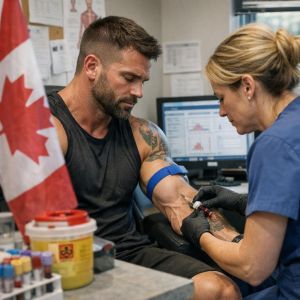
If you’re trying to keep prolactin control dialed in while running 19-nors in Canada, bloodwork timing matters as much as the compounds themselves. get your draws done fasted, early morning (ideally 7–10 a.m.) and keep the last 48 hours consistent: same sleep window, no late-night alcohol, no heavy leg day the night before, no “stress-test” sauna session, and no sex or nipple stimulation (both can spike prolactin and muddy the read). Use the same lab when you can; in Canada that often means a consistent chain plus the same reference ranges, and it cuts down on the “is this real or just lab variance?” headache.
| Timing | What to test | Why it matters for 19 nors |
|---|---|---|
| Baseline (2–4 weeks pre-cycle) | Prolactin,sensitive estradiol,total testosterone,LH/FSH | Confirms you’re starting from a stable hormonal baseline |
| Mid-cycle (week 3–5) | Prolactin,sensitive estradiol,total/free testosterone,CBC | Catches rising prolactin early before symptoms become “normal” |
| Late-cycle (last 1–2 weeks) | Prolactin,lipids,CMP (liver/kidney markers),hematocrit | Shows the full load your body carried before you transition off |
| Post-cycle (4–6 weeks after) | Prolactin,total testosterone,LH/FSH,sensitive estradiol | Checks recovery and whether prolactin stayed elevated |
- Prolactin (obvious, but don’t guess based on symptoms)
- Sensitive estradiol (E2 drives a lot of “prolactin-like” sides)
- Total testosterone + free testosterone (context for libido, mood, and performance)
- LH/FSH (especially baseline and post-cycle to verify suppression and recovery)
- CBC (hematocrit/hemoglobin can creep up, affecting endurance and blood pressure)
- Lipids (HDL commonly drops; you want this on paper, not a vibe)
- CMP (kidney/liver markers and electrolytes for overall safety)
Practical Prolactin Management Without Overcorrecting Sleep Stress Training and Supplement Basics
The fastest way to keep prolactin control sane on 19-nors is to stop treating every symptom like a dopamine emergency. If your sleep is chopped,your calories are too low,or your training week looks like a CrossFit final,your body will push stress chemistry up and recovery down—and prolactin management gets messy even before you touch supplements. Build your base first: protect sleep like it’s a lift, eat enough carbs to train hard, and programme volume you can actually recover from (especially in Canadian winters when steps drop and mood tanks).
- Sleep target: 7.5–9 hours with a consistent wake time (even on weekends)
- Training reality check: cap failure sets and high-intensity finishers while you’re adapting
- Food anchor: protein steady, carbs around training, sodium and fluids consistent
Once the basics are locked in, keep supplements boring and measured—overcorrecting is how you end up trading one issue for another (flat mood, low libido, poor pumps, weird appetite).Start with the lowest-friction options and track your response for 10–14 days before changing anything; with prolactin regulation, consistency beats chaos. If you’re piling on “prolactin reducers” while also under-sleeping and over-training, you’re not managing anything—you’re just masking signals.
| Lever | Beginner move | Why it helps |
|---|---|---|
| Sleep | No screens 45 minutes pre-bed + same wake time | Lowers stress load that can drive prolactin up indirectly |
| Training | Keep 1–2 reps in reserve on most sets | Recovery stays ahead of fatigue, libido stays steadier |
| Supplements | Pick one support, assess for 2 weeks | Prevents overcorrection and symptom whiplash |
When to Consider Dopamine Agonists Safely Cabergoline and Pramipexole Use Cases Red Flags and Next Steps
Dopamine agonists like cabergoline and pramipexole aren’t “routine add-ons” for 19-nors—they’re a targeted tool when prolactin control actually matters on paper and in real life.You consider them when you’ve got a clear pattern: labs show prolactin trending high (or high-normal with symptoms), libido and erections feel flat despite dialled-in testosterone and estradiol, and you’ve already ruled out the usual suspects like poor sleep, stress, under-eating, too much alcohol, or wildly swinging AI dosing. If you’re in Canada,the smart move is to treat this like you would any other health decision: get repeatable bloodwork (same lab,similar time of day,controlled variables) before you start chasing a number with a powerful drug.
- Most reasonable use case: confirmed elevated prolactin with consistent symptoms (sex drive, orgasm quality, mood “greyed out,” nipple sensitivity that doesn’t match your estradiol picture).
- Not a use case: “I heard deca raises prolactin” or one random lab drawn after a brutal night shift, poor sleep, dehydration, or a hard training day.
- First fix before meds: stabilise your cycle variables—sleep, sodium/water, consistent pinning frequency, and don’t roller-coaster your AI.
| Option | Best fit | Common red flags |
|---|---|---|
| Cabergoline | Lab-confirmed high prolactin with clear sexual side effects | Nausea, dizziness, mood swings, impulsive behaviour, “too flat” libido after overshooting |
| Pramipexole | Selected cases where sleep and RLS-like symptoms also matter | Sleep attacks, vivid dreams, agitation, compulsions, rebound fatigue |
| No dopamine agonist | Symptoms don’t match labs or you haven’t stabilised basics | Chasing numbers, masking high estradiol, ignoring blood pressure and recovery |
Red flags aren’t subtle with dopamine agonists—when they go wrong, they usually go wrong fast. if you notice new anxiety, odd compulsive behaviour (shopping, gambling, porn, risky decisions), sudden low mood, lightheadedness, or sleep disturbances that mess with driving or work, you pause and reassess. next steps should be boring and structured: confirm labs, review all compounds and ancillaries, and make one change at a time (especially if you’re also adjusting testosterone, AI, or adding “support” supplements). You’re aiming for stable function—libido, mood, sleep, and training output—not the lowest prolactin number you can force.
- Repeat bloodwork (prolactin, estradiol, total/free testosterone) under controlled conditions.
- Audit your basics: sleep, alcohol, cannabis, stress load, and training fatigue.
- Stabilise your dosing: consistent injection schedule and no AI “panic dosing.”
- Track symptoms daily for two weeks (libido, erections, mood, sleep quality) before changing anything.
What We Know
Prolactin control decides whether your first run with 19 nors feels smooth and productive or turns into a side effect grind that kills your training and your motivation. You do not need to fear prolactin or try to nuke it into the floor. You need a simple plan that keeps symptoms in check, protects performance, and helps you spot problems early while you still have options.
Your prolactin control playbook should stay boring and consistent
When beginners run 19 nors, most issues show up as they guessed rather of measuring, or they reacted emotionally rather than following a process. Keep your approach boring: track a few key signals, verify with labs, then adjust one variable at a time. That is how you stay results focused and avoid the Canadian winter spiral of feeling off, skipping training, and trying to fix everything with a new supplement every week.
If you remember one thing, make it this: symptoms drive action, but bloodwork confirms direction.Your goal is stable sleep, stable libido, stable mood, and stable gym performance, not chasing a specific number as someone on a forum swears they found the magic range.
Key info to leave with:
- Use symptoms as your early warning system, then confirm with labs before you change your plan
- Avoid stacking fixes; change one thing, give it time, then reassess
- Extreme suppression creates its own problems, so aim for control, not elimination
💡 Pro Tip: Build a weekly dashboard in your phone notes: sleep quality, morning energy, libido, erection quality, anxiety, nipple sensitivity, and pump. If two or more trend down for two weeks, you book labs, not a new “prolactin killer.”
What to do next if you want low drama results from nineteen nors
you get the best outcomes when you treat prolactin management like any other performance variable: plan, monitor, adjust. Start with the basics you control daily,then tighten things up with smart lab timing and a conservative response when something looks off.
⚡ Quick Facts
- Most “prolactin problems” beginners blame on 19 nors actually involve sleep, stress, oestrogen management, or poor planning
- The best move is often confirmation and patience, not an aggressive medication swing
- Consistent training, nutrition, and recovery make your hormone picture easier to read
✅ next steps checklist for prolactin control on nineteen nors
- Pick one monitoring day each week and log symptoms in under two minutes
- Schedule bloodwork based on your cycle timeline, not based on panic
- Address sleep, alcohol, and stress before you reach for additional compounds
- Adjust one variable at a time and reassess after a realistic window
💡 Pro Tip: In Canada, use a consistent lab provider and keep your draw conditions consistent when you can: similar wake time, similar training day, similar fasting status. Cleaner inputs give you cleaner decisions.
⚠️ Critically important: If you develop persistent sexual dysfunction, depression, nipple discharge, severe headaches, or vision changes, stop guessing and get proper medical assessment. Do not self medicate with prescription drugs to chase prolactin numbers without oversight.
Want a simple prolactin control plan that matches your cycle and your life
If you are running nineteen nors and you want results without the mental fog, libido crashes, or constant second guessing, get a clear monitoring and adjustment framework you can actually follow week to week.
🔗 Related on Steroids Canada