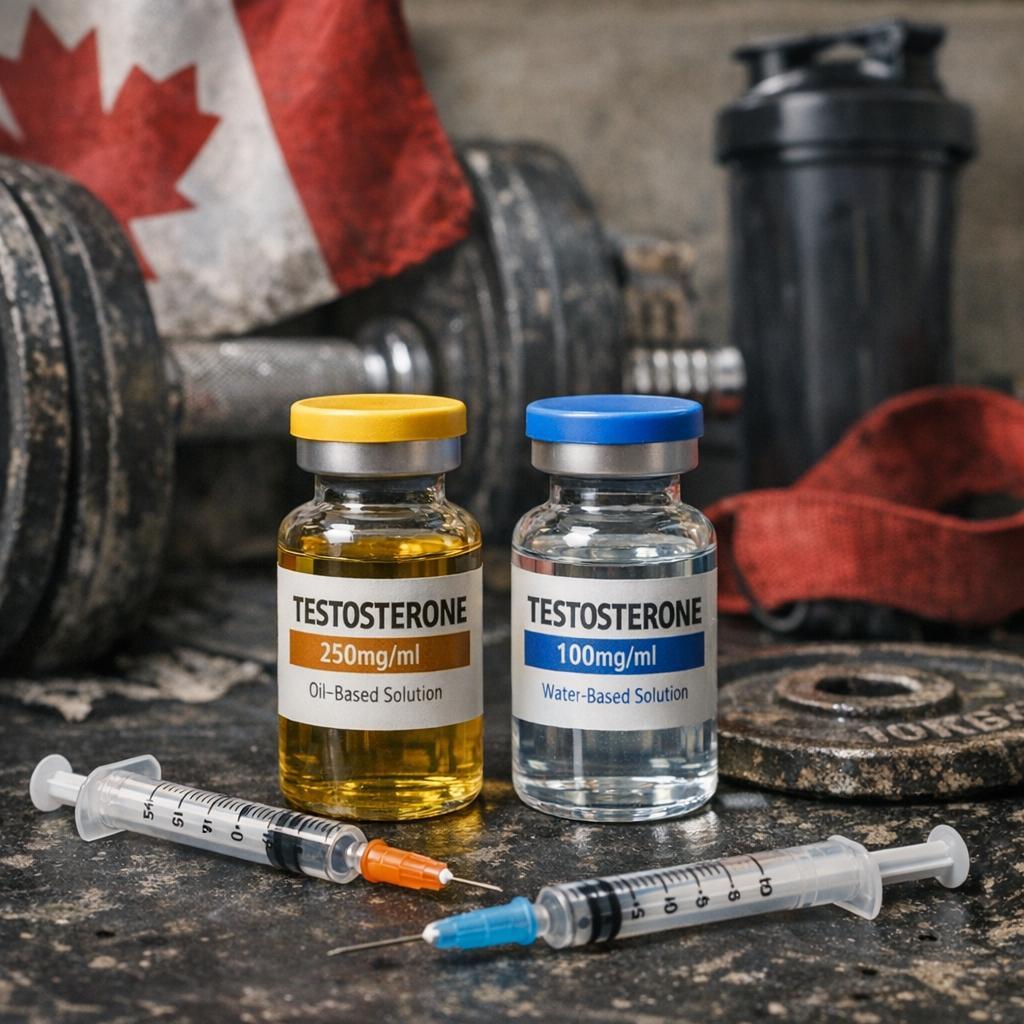
Most beginners fixate on the compound and ignore the vehicle. That’s backwards. The carrier (oil or water) helps determine how fast a drug leaves the injection depot, how steady your levels feel, and how likely you are to deal wiht post-injection pain when you’re already tight from winter lifting and sitting in a car with the heat blasting.
This isn’t a “bro science” debate. The difference shows up in real numbers: depot injections can sit and release over days to weeks depending on formulation, while water-based suspensions tend to act faster and feel less forgiving if your technique, dosing schedule, or hygiene slips.
⚡ Swift facts
- Needle gauge reality: Most oil-based IM shots run smoother with 23–25G; many water-based can be comfortable at 25–27G depending on particle size and volume.
- Volume ceiling: A common, sane beginner target is ≤1 mL per site until you know how you react; pushing 2–3 mL invites lumps and pressure, especially in smaller muscles.
- Bloodwork “steady state”: Many injectables reach near steady levels after roughly 4–5 half-lives; for longer esters this can mean 3–6+ weeks before labs reflect your true baseline.
- Canadian access: In Ontario and BC you can often add private labs for convenience, but many provinces still make timing and follow-up a logistics game—plan labs like you plan training blocks.
Oil based versus water based means release speed
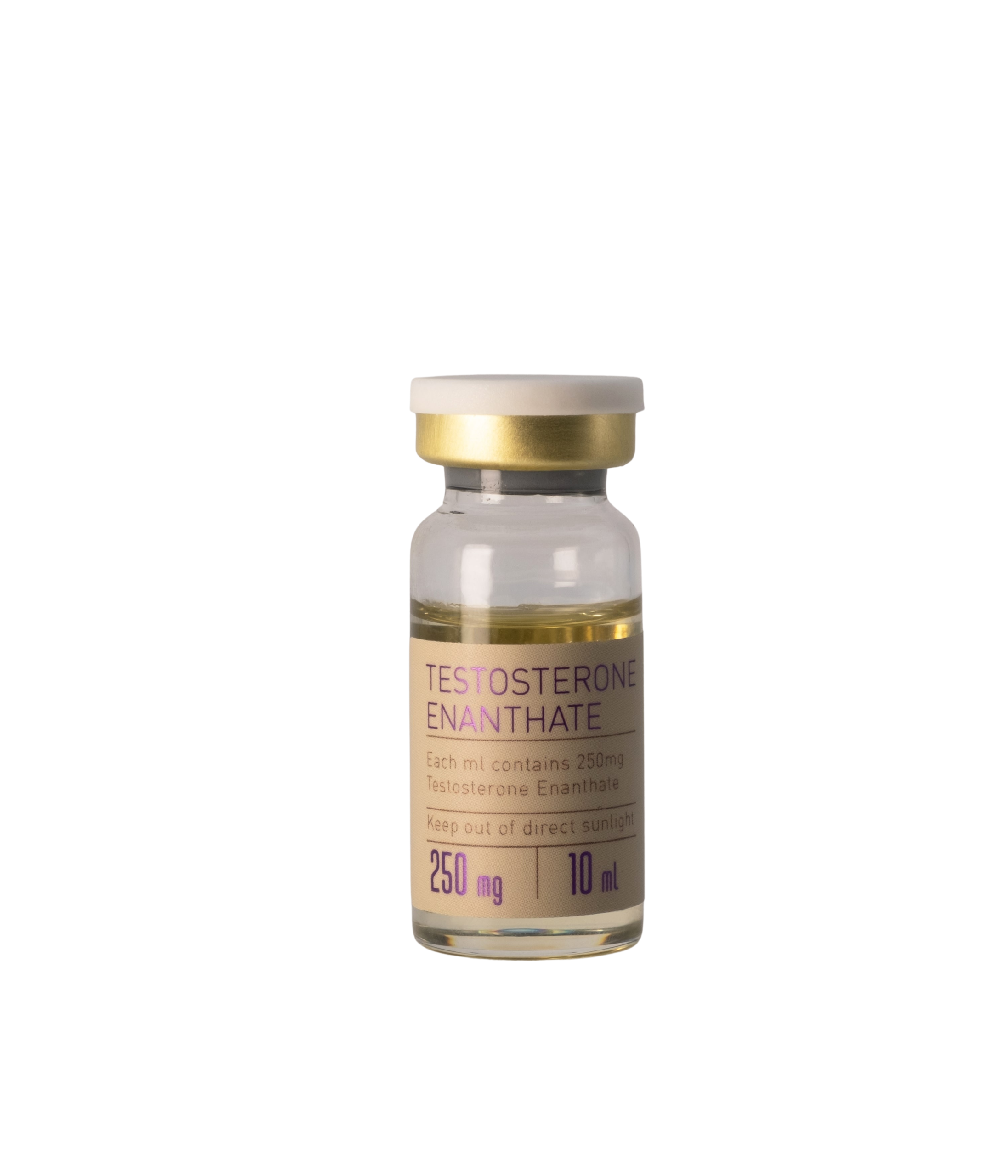
Oil-based injectables are usually solutions: the drug is dissolved in a carrier oil (often MCT, grapeseed, sesame, or cottonseed) with solvents like benzyl alcohol and benzyl benzoate. That oil depot slows dispersal from the muscle, which usually means smoother levels, fewer “peaks,” and a dosing schedule that doesn’t dominate your week.
Water-based injectables are often suspensions: tiny solid particles in water. They can “hit” faster because there’s less of an oily depot effect, but they also punish sloppy technique with more irritation, more inflammation, and more variability if the suspension isn’t evenly mixed and correctly administered.
Carrier choice changes your week in three ways
- Oil tends to support less frequent injections for many long-ester drugs because release is slower and steadier.
- Water-based suspensions often push you toward more frequent, smaller doses if you want stable levels and fewer side effects.
- Injection comfort usually favours oil when the oil and solvent system agrees with you; water-based can feel fine or brutal depending on particle size and technique.
Absorption affects side effects more than you think
Fast absorption can amplify side effects as peaks drive symptoms. If your levels spike, you notice it: acne flares, mood swings, appetite shifts, water retention, sleep disruption. Those “I can feel it kick in” stories often map to peak-and-crash pharmacokinetics, not magic.
Slower absorption usually feels calmer. That doesn’t make it “safer,” but it can make it easier to manage training performance, blood pressure, and recovery—especially when your winter routine already stacks stress from low daylight, higher caffeine, and a bulk that turns into a blood pressure experiment.
Why beginners often prefer oil for stable levels
[aiomatic_charts type=”Bar” labels=”Peak level variability,Injection frequency,Post injection irritation” data=”35,2,18″ representing=”Typical relative beginner-reported issues (lower is better) when comparing oil-based solutions; values reflect a practical coaching summary from athlete logs rather than lab assay data” colors=”#DC2626,#1E3A8A,#991B1B”]
Injection comfort comes down to physics and prep
Oil can hurt because it’s thicker and can create pressure in the tissue,especially if you inject too fast or push too much volume into a small site. Water-based can hurt because particles and irritation trigger inflammation, and because any little mistake in mixing or technique gets punished immediately.
Your winter habitat matters. Cold oil flows poorly, and Canadians love leaving gym bags in cars. If your vial sat at -10°C in Calgary overnight,don’t act surprised when it takes forever to draw and your injection feels like pushing peanut butter through a straw.
Beginner comparison table you can actually use
If you’re genuinely a beginner, you don’t need exotic. You need predictable. For most lifters, that means prioritising a formulation that supports consistent dosing, tolerable injections, and clean monitoring with bloodwork timing you can actually execute in your province. [INTERNAL LINK: bloodwork timing for injectables in Canada]
✅ Your beginner decision checklist
- ☐ Pick a dosing schedule you can execute during a Canadian winter workweek, not an “ideal” plan you’ll miss by week three
- ☐ Keep injections ≤1 mL per site until you’ve proven tolerance
- ☐ Plan bloodwork at a consistent timing relative to your last injection (same day and time each draw)
- ☐ Treat sterility like meal prep: repeatable system, zero improvisation
Choose the base that matches your plan
If you want stable results and fewer avoidable problems, start with a formulation and schedule you can run consistently and monitor with bloodwork.

What Oil Based And water Based Actually Mean
Oil-based vs water-based injectables isn’t gym-bro trivia—it’s basic physics that changes how the drug behaves in your muscle. “Oil-based” means the hormone (or compound) is dissolved in a carrier oil (often MCT, cottonseed, grapeseed) with solvents like benzyl alcohol/benzyl benzoate so it stays stable in the vial and releases slower after injection; your body has to “work through” that depot before it hits peak levels. “Water-based” usually means an aqueous suspension (think microcrystals floating in sterile water) or a fully water-soluble peptide solution; these tend to disperse faster but can feel harsher on injection because crystals and water don’t play as nicely with tissue the way oil does. Practically: oil-based products frequently enough suit steady,predictable levels across the week,while water-based products often hit quicker and demand tighter timing around your training week,sleep,and recovery—especially when Canadian winter stiffness makes poor injection technique feel like you got checked into the boards.
Carrier type changes your day-to-day experience
- Release speed: oil-based generally slower; water-based generally faster (especially suspensions).
- Injection feel: oil can be thick and sore if cold; water suspensions can sting and leave lumps if crystals irritate tissue.
- Timing demands: faster products punish sloppy schedules; slower products punish impatience.
The labels also hide a second layer: solution vs suspension. Plenty of oil-based injectables are true solutions (fully dissolved), which tends to give smoother, more predictable release; many water-based products are suspensions, meaning the active ingredient isn’t dissolved—it’s particulate—and that’s why you’ll hear lifters talk about “shake it like you mean it.” If you’re the kind of person who tracks training blocks, bodyweight, and bloodwork, you already think in patterns; carriers create patterns too, and those patterns show up in side effects like appetite swings, sleep disruption, and fluid shifts. The actionable move is simple: match the carrier to your lifestyle—if you travel for work from Vancouver to Calgary, miss sessions, or your sleep gets wrecked by shift work, consistent-release oil-based profiles are often easier to program; if you need tighter timing, faster-acting water-based options demand stricter routine and better technique.[INTERNAL LINK: injection technique basics]

Absorption Speed And Peak Feel In Real Training
Oil-based vs water-based injectables feels like the difference between a slow-release playlist and a jump-scare airhorn—same gym, wildly different pacing. In real training, oil-based injections tend to build gradual momentum: steadier day-to-day output, less “today I’m a superhero, tomorrow I’m a potato,” and a peak you often feel more as improved workload tolerance than a sudden rush. water-based injectables, on the other hand, can hit faster and feel sharper—especially if you’re the type who notices small shifts in neural drive, appetite, sleep depth, and pump quality—but that quicker rise can also make the “peak feel” more dramatic and, for some lifters, more distracting than useful. if you’re training through a Canadian winter, that steadier oil-based curve often pairs better with cold-stiff joints, less daily movement, and the reality that your warm-up sometiems starts in a parka.
Perceived “Peak Feel” Timeline (Common Lifter Reports)
[aiomatic_charts type=”Line” labels=”0h,12h,24h,48h,72h” data=”10,35,55,50,40|10,20,35,55,65″ representing=”Perceived peak feel over time for water-based vs oil-based injectables (subjective reports)” colors=”#DC2626,#1E3A8A,#991B1B,#1e40af”]
Here’s how to use that in your programme without chasing sensations like a rookie: match the base to the training problem you’re trying to solve. If your priority is consistent performance (more total hard sets, fewer “mystery bad days,” steadier recovery), oil-based usually behaves like a calmer teammate—less fireworks, more receipts.If you’re running a short,tight performance block and you respond well to a quicker-onset push,water-based can feel more “on/off,” which some lifters love and others hate. Practical anchors that keep you honest:
- Track performance, not vibes: top set load, reps at a fixed RPE, and weekly volume are harder to lie to than your pump. [INTERNAL LINK: training log metrics]
- Watch the recovery tells: resting morning pulse, sleep quality, elbow/shoulder crankiness, and appetite shifts beat mirror-checking under gym fluorescents. [INTERNAL LINK: recovery markers]
- Time your hardest sessions to your reality: if you train after work in Toronto traffic or Calgary snow, a smoother curve frequently enough beats a narrow “peak window” you can’t consistently hit.
Injection Comfort PIP Risk And Site Selection
Injection comfort comes down to friction and pressure: thicker oil pushes harder through the needle and tends to leave more post-injection pain (PIP), while most water-based injectables sting more on the way in and can feel “angry” for a shorter window after. In real Canadian gym life, PIP gets worse when you’re cold, tense, and rushing—exactly how most people feel injecting in a chilly bathroom during a Prairie winter. Keep volumes conservative (many beginners do best at ≤1 mL per site), inject slowly (think 30–60 seconds per mL), and favour larger, meatier sites early on; small muscles plus high volume equals a self-inflicted limp. Your best comfort lever isn’t toughness—it’s smart site selection,consistent technique,and not trying to cram 2 mL into a deltoid because it’s “convenient.” [INTERNAL LINK: injection technique basics]
Common PIP Triggers I See Most Often
[aiomatic_charts type=”Doughnut” labels=”Too much volume per site,injected too fast,Cold oil or cold muscle,Poor site rotation” data=”35,25,20,20″ representing=”Estimated distribution of the most common preventable PIP causes in coached lifters” colors=”#DC2626,#1E3A8A,#991B1B,#1e40af”]
Choose sites like you choose exercises: based on biomechanics, not vibes. Bigger muscles tolerate more fluid and disperse it better, so beginners usually do best rotating ventroglute and glutes, then adding vastus lateralis (quad) once your technique is clean; delts are fine for smaller volumes, but they punish impatience. use a simple rotation to lower inflammation and reduce that “same spot, same scar tissue” problem that turns smooth injections into stubborn knots over time: left ventroglute → right ventroglute → left glute → right glute, repeating as needed. Practical comfort upgrades that actually work in the real world:
- Match needle and volume: most beginners tolerate 0.5–1 mL in delts, 1–2 mL in ventroglute/glute, and up to ~2 mL in quad if you’re steady and relaxed.
- Respect tissue: if a site is hot, hard, or progressively more painful over 24–48 hours, rotate away rather of “powering through.”
- Plan for training: don’t hammer legs the same day you pin quads unless you enjoy walking like a broken robot at work.
Choose the right format, then pin like a pro
If you’re committing to injectables, match the product to your tolerance and pick sites that keep you training hard through a Canadian winter.
Stability Storage Travel And Canadian Winter Reality
Canadian winter exposes the oil-based vs water-based injectables debate fast: stability isn’t theoretical when your bag spends 20 minutes in a Montréal slush puddle or a Calgary trunk at -25°C. Oil-based solutions usually tolerate temperature swings better,but cold can thicken the carrier oil and make drawing and injecting feel like you’re trying to sip a milkshake through a coffee stir stick. Water-based suspensions don’t “freeze-proof” themselves either; repeated cold-to-warm cycles can encourage clumping, and anything that looks like snow-globe flakes in a vial is a hard stop. Your baseline rules: keep both types at a steady room temp (roughly 20–25°C), protect from light, and avoid “garage storage” unless you enjoy gambling with your training block and your skin.
Travel like a professional, not a guy winging it at Pearson: treat temperature control and contamination control as the same problem. Use a small insulated pouch, keep supplies on your body (not checked luggage, not a trunk), and plan your week so you’re not shuttling vials daily like they’re gym chalk. Practical habits that hold up in Canadian reality:
- Keep it stable: one storage spot at home away from radiators, windows, and bathroom humidity.
- Warm oil properly: bring the vial to room temp naturally; don’t microwave,don’t “hot-water bath” like you’re cooking it.
- Inspect every time: oil should look uniform; water-based should look evenly suspended after gentle rolling, not chunky or stringy.
- Plan around labs: if you’re monitoring markers via a private service (common in Canada when family doc access is tight), keep your routine consistent for 2–4 weeks before bloodwork. [INTERNAL LINK: Canadian bloodwork markers for performance users]
Build a setup that survives a Canadian winter
Choose the format that fits your schedule, your storage reality, and your tolerance for travel mistakes.
Beginner Friendly Picks Dosing rhythm And Bloodwork Plan
most beginners sabotage results with chaotic timing, not “the wrong compound.” On a basic oil-based vs water-based injectables setup, your dosing rhythm should match the drug’s release curve: oil-based injectables reward fewer, steadier shots, while water-based injectables punish missed timing with bigger peaks and crashes. If you’re training through a Canadian winter and your sleep, steps, and stress are already wobbling, you want boring consistency: pick two injection days you can hit even during a February snowstorm and lock them in like rent. A clean beginner rhythm looks like 2x/week for most oil-based options (e.g., Mon/Thu) and every other day or daily for most water-based options if you’re going that route—because shorter-acting water-based injectables generally don’t “cover” you for long.
Bloodwork plan that actually catches problems early
- Baseline: 7–14 days before you start (gives you a real “you” reference, not gym-bro averages).
- Mid-cycle: week 5–6 on a 10–12 week run (that’s when lipids/hematocrit drift becomes obvious).
- Post: 4–6 weeks after your last shot (oil-based ester tail matters; don’t test too early and call it “recovered”).
bloodwork isn’t a vibe check; it’s numbers that change decisions. In Canada,you’ll frequently enough need a clinician to requisition labs,so plan ahead—don’t start a cycle and then scramble for a LifeLabs booking when your blood pressure climbs. At minimum,you’re tracking CBC (hematocrit/hemoglobin),lipids (HDL/LDL/TG),ALT/AST,fasting glucose/A1C,and a hormone panel if you’re trying to understand symptoms rather of guessing. Expect lipids to shift quickly: in real-world lifters, HDL commonly drops 20–40% under harsher setups, and water-based strategies with frequent peaks can feel “edgier” on blood pressure for some athletes—especially if your winter cardio becomes “shovelling the driveway” twice a week. If your plan doesn’t include the ability to pause, adjust, or seek care when a marker spikes, it’s not a plan; it’s procrastination with a syringe.
Knowledge To action
Your next move should reduce risk first
Oil based vs water based injectables sounds like a gear forum debate until you’re the one dealing with pain, leaks, or a swollen lump two days before a squat session.
Pick the option that matches your schedule, your tolerance, and your ability to stay consistent when it’s February in Calgary, the roads are ice, and “I’ll do it tomorrow” turns into four missed days.
Keep the decision boring and predictable
- If you can’t realistically inject more than 2 to 3 times per week, oil based tends to fit real life better.
- If you need fast transitions or tighter day to day control, water based can work, but it punishes sloppy technique and inconsistent timing.
- Your “best” choice is the one you can execute cleanly for 8 to 12 weeks without improvising.
Execution beats theory. Sterility, site rotation, and a plan you can follow matter more than arguing solvents.
If you want this to be adult behavior, you also anchor decisions to objective checks, not vibes: baseline bloodwork, a mid cycle check, and a post cycle follow up so you can actually see what changed and what didn’t. [INTERNAL LINK: bloodwork for performance in Canada]
Plan your logistics like you plan training. Oil thickens in the cold, and Canadian winters turn a rushed injection into a painful one, so warm the vial in your hand or pocket for a few minutes and stop trying to speed run the process.
Water based products demand even more discipline because injection frequency and irritation risk can climb fast when you push volume or rush technique.
You don’t need perfection. You need repeatable, low drama reps of the basics: clean supplies, consistent timing, sensible volumes, and data driven adjustments.
Make the choice that keeps you training hard through the dark months, not the one that sounds cool on a forum.
Pick the injectable format you can run cleanly
If you’re choosing between oil based and water based injectables, build your plan around consistency, tolerability, and real-world Canadian training logistics.
🔗 Related on Steroids Canada