
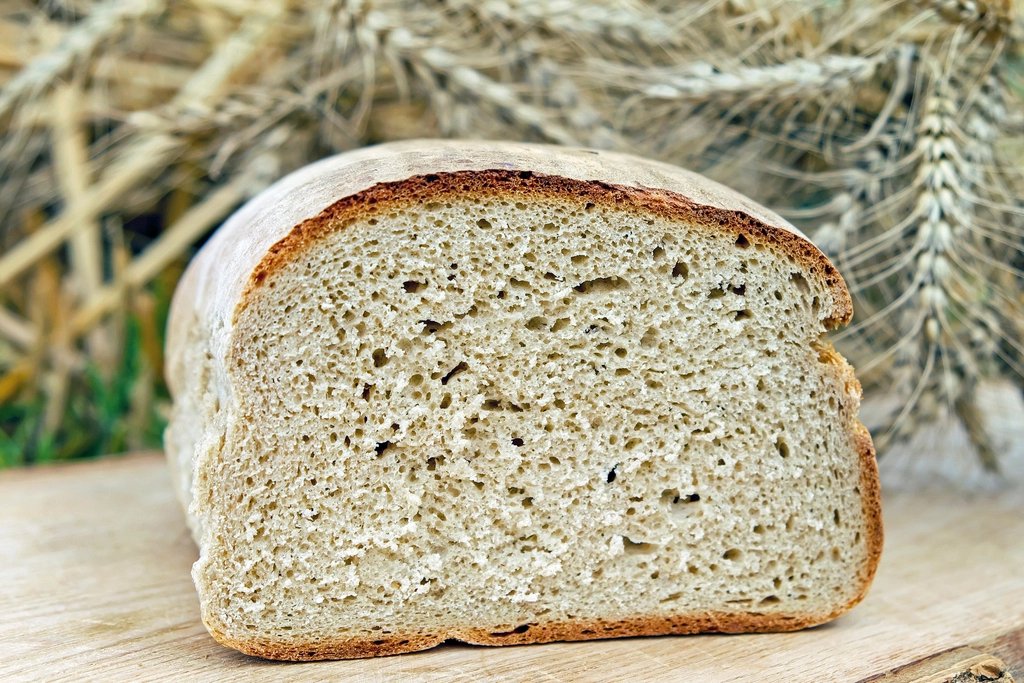
Fibre helps you feel full, slows digestion and supports healthy blood sugar and cholesterol. Most Canadians eat about half the recommended amount. Adding legumes, oats, whole grains, vegetables and fruit makes a calorie deficit easier to stick to.
- Adults need about 25 g (women) to 38 g (men) of fibre a day.
- Average Canadian intake is around 15–19 g.
- Increase gradually and drink more water to avoid bloating.
Fibre does not get the attention protein does, but it is one of the most useful tools for fat loss. It adds volume to meals, keeps you full and improves several health markers. Here is how to get more of it from foods easy to find in Canada.
Types of fibre
| Type | What it does | Sources |
|---|---|---|
| Soluble | Forms a gel, slows digestion, lowers LDL cholesterol, steadies blood sugar | Oats, barley, beans, lentils, apples, psyllium |
| Insoluble | Adds bulk, supports regularity | Wheat bran, whole grains, vegetable skins, nuts |
| Fermentable (prebiotic) | Feeds gut bacteria that produce beneficial compounds | Legumes, onions, garlic, oats, cooled potatoes |
How fibre helps weight loss
- Volume: high-fibre foods fill the stomach with fewer calories.
- Slower digestion: soluble fibre delays stomach emptying.
- Hormones: fermentation of fibre in the gut produces short-chain fatty acids that stimulate fullness hormones such as GLP-1 and PYY.
- Evidence: a 2019 study in the Journal of Nutrition found fibre intake was the strongest dietary predictor of weight loss in adults on a calorie-restricted diet, independent of macronutrient composition.
How much you need
Health Canada’s adequate intake is about 25 g a day for women and 38 g for men (lower over age 50). Canadian surveys suggest most adults eat well under this.
Best high-fibre Canadian foods
| Food | Approx. fibre |
|---|---|
| Lentils, cooked (1 cup) | 15 g |
| Black beans or chickpeas, cooked (1 cup) | 12–15 g |
| Split peas, cooked (1 cup) | 16 g |
| Raspberries (1 cup) | 8 g |
| Pear or apple with skin (1 medium) | 4–6 g |
| Oats, dry (½ cup) | 4 g |
| Pot barley, cooked (1 cup) | 6 g |
| Bran cereal (½ cup) | 10–13 g |
| Chia seeds (2 tbsp) | 7–8 g |
| Broccoli, cooked (1 cup) | 5 g |
| Potato with skin (1 medium) | 4 g |
Canada is one of the world’s largest producers of lentils, peas and oats, so these staples are affordable year-round.
Easy ways to add fibre
- Start the day with oats or a high-fibre cereal and berries.
- Add a can of rinsed lentils or beans to soups, chili, pasta sauce or salads.
- Choose whole-grain bread with at least 3–4 g of fibre per slice.
- Keep skins on potatoes, apples and pears.
- Snack on fruit, vegetables and a small handful of nuts.
- Stir chia or ground flax into yogurt.
Increase gradually
Going from 15 g to 35 g overnight often causes gas, bloating and cramps. Add about 5 g a week, drink more water, and rinse canned beans. Most people adapt within a few weeks as gut bacteria adjust.
A high-fibre day
This sample day reaches roughly 35–40 g of fibre: oats with raspberries and chia for breakfast (about 14 g), lentil soup with whole-grain bread for lunch (about 15 g), an apple for a snack (about 4 g), and chicken with a baked potato with skin and broccoli for dinner (about 9 g). For someone eating 15 g a day, build up towards this over three or four weeks.
Fibre supplements
Psyllium husk is the best-studied supplement for fullness, cholesterol and regularity. It is useful if diet alone falls short, but whole foods bring vitamins, minerals and other benefits supplements lack. Take psyllium with plenty of water, and separate it from medications by a couple of hours, as it can affect absorption.
Fibre on a low-carb or keto diet
Very low-carbohydrate diets can make fibre harder to get, because grains, legumes and most fruit are limited. Non-starchy vegetables, avocado, chia, flax, nuts, seeds and berries help, and a psyllium supplement can fill the gap. Constipation on keto is often a fibre and fluid problem rather than a reason to stop the diet.
Other health benefits
- Lower LDL cholesterol (especially oats, barley, psyllium)
- Better blood sugar control; see balancing blood sugar
- Lower risk of colorectal cancer, heart disease and type 2 diabetes in large studies
- Regular bowel movements
Related guides
Plant-based diets for fat loss, Canadian foods for weight loss and apple cider vinegar.
Frequently asked questions
How much fibre should I eat to lose weight?
Aim for at least 25 g a day for women and 38 g for men, built up gradually.
What food has the most fibre?
Legumes such as lentils, split peas and beans are among the richest, with 12–16 g per cooked cup.
Does fibre help you feel full?
Yes. It adds volume, slows digestion and triggers fullness hormones.
Photo: rawpixel (public domain).
General information, not medical advice.
Related on Steroids Canada