
Weight-loss clinics in Canada range from publicly funded hospital programmes to private medical clinics and commercial centres. Good clinics offer medical assessment, nutrition and activity support, and evidence-based medication where appropriate. Be cautious of clinics selling expensive supplements, injections or extreme diets.
- Public programmes are covered but may have wait lists.
- Private obesity medicine clinics charge fees for some services; physician visits may still be covered.
- A good clinic treats obesity as a chronic condition, not a quick fix.
For many people, working with a clinic makes weight loss more structured and safer, especially with health conditions. Knowing what different clinics offer, and what to avoid, helps you choose well.
Types of clinics
| Type | Who runs it | Typical services |
|---|---|---|
| Hospital and bariatric programmes | Provincial health systems | Assessment, education, dietitians, surgery for eligible patients |
| Primary care team programmes | Family health teams, community health centres | Group classes, dietitians, exercise support |
| Private obesity medicine clinics | Physicians, sometimes with dietitians and kinesiologists | Medical assessment, medication, ongoing follow-up |
| Commercial weight-loss centres | Private companies | Meal plans, coaching, products |
What a good first visit includes
- A full history: weight over time, diet patterns, activity, sleep, mental health and medications
- Measurement of weight, waist and blood pressure
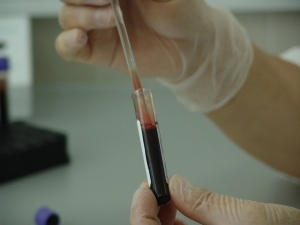
- Bloodwork: glucose or HbA1c, cholesterol, liver and kidney function, thyroid
- Screening for conditions such as sleep apnea, PCOS and depression
- A discussion of goals and a written plan
Obesity Canada’s clinical practice guidelines encourage doctors to ask permission to discuss weight, assess root causes, and offer personalised, evidence-based options.
Treatment options
- Nutrition and behaviour therapy: the foundation, often with a registered dietitian.
- Physical activity plans tailored to your health and joints.
- Medication: semaglutide (Wegovy), liraglutide (Saxenda), naltrexone-bupropion (Contrave) or orlistat for eligible patients. See weight-loss medications in Canada.
- Bariatric surgery: for people with a BMI of 40 or more, or 35 or more with related conditions, through provincial programmes.
- Psychological support for emotional eating, binge eating or body image.
Costs
Doctor visits are covered by provincial health plans. Private clinics may charge annual or programme fees for non-insured services such as dietitian sessions, body composition testing and coaching. Weight-loss medications are generally not covered by provincial drug plans for weight alone, though some private insurance plans cover them. Ask for a clear list of fees before signing up.
What ongoing care looks like
Good programmes treat weight as a long-term condition. After the first visit, expect follow-ups every few weeks at first, then every few months, to review progress, adjust nutrition and activity, monitor medication side effects and repeat bloodwork. Many clinics combine physician visits with dietitian sessions, group education and exercise guidance. Progress is usually measured not only by weight but by blood pressure, blood sugar, waist size, sleep and quality of life. A plan for maintenance, rather than an end date, is a sign of a quality programme.
If you have tried several diets on your own without lasting success, a structured clinic programme can help identify barriers such as sleep apnea, medication effects, emotional eating or hormonal conditions that are easy to miss.
Red flags
- Guarantees of rapid weight loss
- Very low-calorie diets without medical monitoring
- Pressure to buy expensive supplements, meal replacements or “fat-burning” injections
- Vitamin B12 or “lipotropic” injections sold for fat loss, which lack evidence
- Prescribing stimulants or thyroid hormone to people with normal thyroid function
- No plan for maintenance after weight loss
- Staff without recognised qualifications
Preparing for your visit
- Bring a list of medications and supplements, including any performance drugs.
- Note your weight history and past diets.
- Keep a food and activity log for a week beforehand.
- Write down your questions and goals.
Being open about anabolic steroids, SARMs, peptides or other compounds helps clinicians interpret bloodwork and choose safe treatment. What you share is confidential.
Finding a clinic
Start with your family doctor, who can refer you to public programmes. Obesity Canada lists resources, and provincial health lines (such as 811 in several provinces) can point you to local services. See programmes covered by provincial plans and weight-loss support across Canada.
Virtual care
Several Canadian obesity medicine clinics and dietitians now offer virtual appointments, which can shorten waits and help people in rural and remote areas. Bloodwork is done at a local lab such as LifeLabs or Dynacare, and follow-ups happen by video. Check that virtual providers are licensed in your province.
Frequently asked questions
Are weight-loss clinics covered by OHIP or provincial plans?
Physician visits are covered, and public hospital programmes are free. Private clinics may charge for non-insured services.
What medications do weight-loss clinics prescribe in Canada?
Semaglutide, liraglutide, naltrexone-bupropion and orlistat are approved for weight management.
How do I know a weight-loss clinic is legitimate?
Look for physicians and registered dietitians, evidence-based treatments, clear fees and a long-term plan, without pressure to buy products.
Photo: Direct Media, StockSnap (public domain).
General information, not medical advice.
Related on Steroids Canada