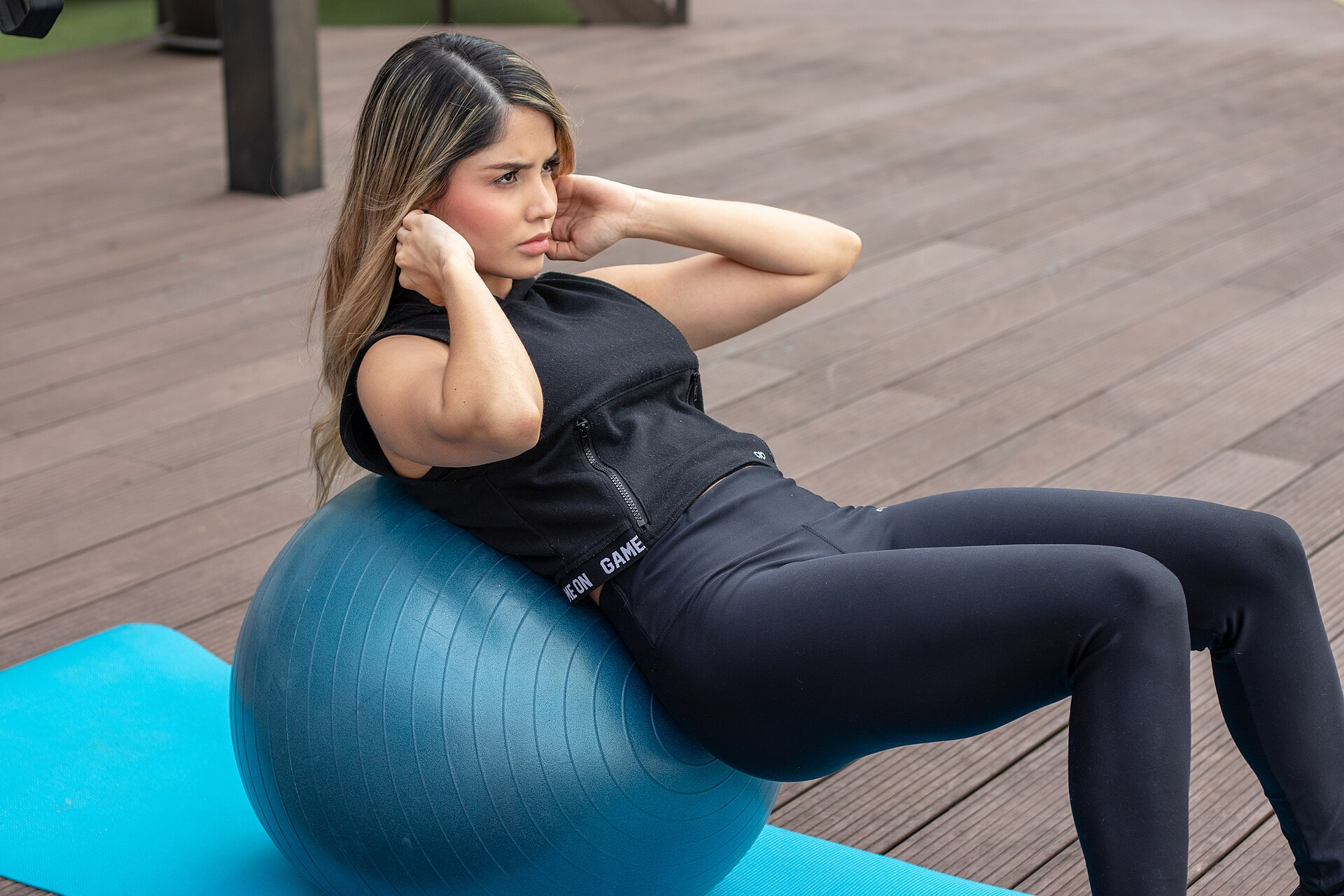
Spot reduction, losing fat from one area by exercising that area, does not work. Studies show doing hundreds of crunches or leg raises does not preferentially burn fat there. Fat comes off the whole body, in an order mostly set by genetics, sex and hormones.
- Training a muscle builds that muscle, not the fat above it.
- Belly fat responds well to overall fat loss and exercise.
- Stubborn areas are usually the last to go, but they do go.
“Do this ab workout to burn belly fat” remains one of the most common fitness claims. The research has been clear for decades. Here is why spot reduction does not work, and what does.
What studies show
- Katch and colleagues, 1984: participants did 5,004 sit-ups over 27 days. Fat cells shrank by similar amounts on the abdomen, buttocks and upper back.
- Vispute and colleagues, 2011: six weeks of abdominal exercises did not reduce belly fat or waist size compared with a control group.
- Ramírez-Campillo and colleagues, 2013: training one leg for 12 weeks reduced fat, but mostly in the upper body and the untrained leg, not the trained one.
A few small studies have suggested slight local effects, but any effect is tiny compared with overall fat loss.
How the body uses fat
During a calorie deficit, fat is released from fat cells throughout the body into the bloodstream and burned wherever energy is needed. Muscles do not draw fat specifically from the fat lying over them. Which areas lose fat first depends on:
- Genetics: family patterns of fat storage
- Sex hormones: women tend to store more on hips and thighs; men more on the abdomen
- Receptor types: areas with more alpha-2 receptors, such as the lower belly and hips, release fat more slowly
- Age and stress hormones
Visceral vs subcutaneous belly fat
Visceral fat, deep around the organs, is the most harmful type and, encouragingly, responds well to diet and exercise, often decreasing faster than fat under the skin. Aerobic exercise is particularly effective at reducing visceral fat even with modest weight loss. Subcutaneous fat, the pinchable layer, tends to be slower, especially on the lower belly.
What actually reduces belly fat
- A calorie deficit: the essential factor.
- Strength training: preserves muscle and improves body shape.
- Aerobic exercise: especially effective for visceral fat.
- Daily movement: see NEAT.
- Sleep and stress management: poor sleep and high stress are linked to more abdominal fat.
- Limit alcohol and sugary drinks.
- Patience: stubborn areas are usually the last to change.
Is ab training pointless?
No. A strong core supports lifting, posture and back health, and developed abdominal muscles become visible once body fat is low enough. Ab training simply does not burn the fat covering them. Focus on a few effective exercises, such as planks, hanging leg raises, cable crunches and loaded carries, two or three times a week.
A realistic timeline for stubborn areas
Many people see their face, arms and upper body lean out first, with the lower belly, hips and thighs last. For men, the last fat to go is often around the lower abdomen and lower back; for women, hips, thighs and lower belly. Visible abdominal definition usually appears at around 10–15% body fat for men and 18–22% for women, though it varies. Getting there can take many months of consistent fat loss, so judge progress by waist measurements and photos rather than daily mirror checks.
Products that claim to target fat
Waist trainers, sauna belts, fat-burning creams and vibration belts do not reduce fat in specific areas. Weight lost in sweat returns when you drink. See sauna and fat loss. Injectable products marketed for local fat loss outside medical settings carry infection risk; see L-carnitine injections.
Medical options for local fat
Health Canada has approved some medical procedures to reduce specific fat deposits, such as cryolipolysis and deoxycholic acid injections for under-chin fat, and liposuction. These are cosmetic procedures with costs and risks, and they do not replace overall fat loss for health. Discuss them with a qualified physician.
Frequently asked questions
Can you lose belly fat by doing crunches?
No. Studies show ab exercises do not preferentially burn belly fat. Overall fat loss is needed.
Why is belly fat the last to go?
Lower belly fat often has more alpha-2 receptors, which slow fat release, and genetics and hormones influence the order of fat loss.
What is the best exercise for belly fat?
A combination of strength training and aerobic exercise with a calorie deficit. Aerobic exercise is especially effective for visceral fat.
Photo: PTPioneer, Wikimedia Commons (CC BY 2.0).
General information, not medical advice.
Related on Steroids Canada