

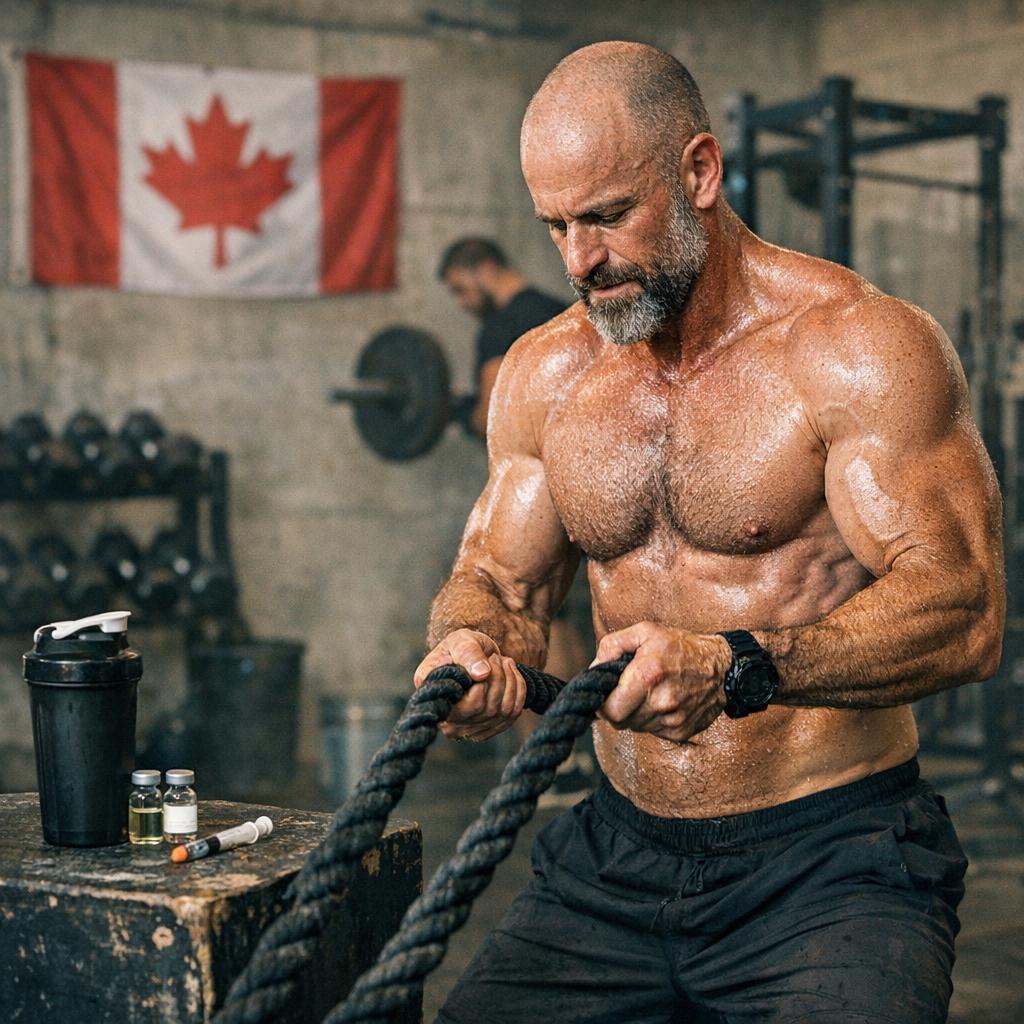
For many Canadian men, testosterone replacement therapy (TRT) begins as a solution to fatigue, low mood, and a fading sense of drive. But after a few months on treatment, another question usually appears: “If my hormones are back in balance, why am I still struggling to lose fat and build the body I want?”
TRT can be a powerful tool, but it’s not a magic fat-loss switch. Restoring testosterone often improves energy, motivation, libido, and even workout performance—but belly fat, love handles, and stubborn weight can still hang on if the rest of yoru lifestyle isn’t aligned with your goals. The men who see the biggest transformations aren’t just “on TRT”; they’re using TRT as a foundation while deliberately optimizing their nutrition, training, sleep, and daily habits.
Across Canada, from busy professionals in downtown Toronto to shift workers in Alberta and retirees in small Atlantic communities, more men are asking how to use TRT not just to feel normal again, but to feel—and look—better than they have in years. They want practical, evidence-based strategies that fit real Canadian life: long winters, hectic schedules, limited daylight, and varying access to gyms and fresh foods.
This article explores how Canadian men are successfully combining TRT with smart fat-loss strategies to reshape their bodies and reclaim their health. You’ll learn:
- What TRT can and cannot do for fat loss
- How testosterone influences body composition, metabolism, and where you store fat
- How to adjust your nutrition so TRT works with your diet, not against it
- training approaches that pair especially well with hormone optimization
- The roles of sleep, stress, and recovery—often overlooked, but critical for results
- Common mistakes men on TRT make when trying to get lean, and how to avoid them
Whether you’ve just started TRT or have been on it for years, the goal is not perfection but progress. With the right approach, TRT can move from being “just another prescription” to a powerful platform for lasting fat loss, better health, and renewed confidence in your own body.
Understanding How TRT Changes Male Hormones and Fat Storage in the Canadian Context
When medically supervised testosterone therapy nudges levels from “low-normal” into an optimal range, several metabolic switches flip in a man’s body. muscle becomes more responsive to protein intake and resistance training, resting energy expenditure often rises, and fat cells—especially around the waist—receive a signal to shrink rather than store more energy. In biochemical terms, improved testosterone-to-estrogen balance can reduce visceral fat, support better blood sugar control, and help tame chronic inflammation that keeps men feeling puffy and sluggish.For many Canadians, this means previously stubborn “dad bod” fat finally begins to shift, provided lifestyle habits are aligned with their new hormonal habitat.
Because access, regulation, and healthcare pathways are unique in Canada, men here need to understand how treatment choices interact with everyday life from Vancouver to Halifax. Provincial coverage differences, urban vs. rural access to specialists, and long winters that limit outdoor activity all influence how well body composition improves on therapy. To stack the deck in their favour, men frequently enough combine hormone optimization with:
- Structured resistance training to take advantage of enhanced muscle protein synthesis.
- Higher-protein, lower-processed diets that stabilize blood sugar and reduce fat storage signals.
- Sleep and stress management to keep cortisol from sabotaging abdominal fat loss.
- Regular lab monitoring through Canadian clinics to fine-tune dosage and ensure safety.
| Hormone Shift | Typical Effect on Fat | Canadian Reality |
|---|---|---|
| Testosterone ↑ | More muscle, higher calorie burn | Best results when gyms and home equipment are used consistently |
| Visceral fat ↓ | Smaller waist, better insulin response | Helps offset sedentary winter months and desk-heavy jobs |
| Estrogen balanced | Less water retention, steadier mood | Requires careful dosing and regular bloodwork in local clinics |
Designing a fat Loss Nutrition Strategy that Works with TRT Not Against It
Instead of jumping on a crash diet, men on TRT in Canada see better results by building a nutrition plan that supports hormone balance, energy, and recovery. This means prioritizing adequate protein,controlled carbs,and smart fats rather than just slashing calories. Aim for a slight caloric deficit—enough to lose fat without sending your body into “starvation mode” that can blunt testosterone’s benefits. Structuring meals around whole foods keeps blood sugar steady and reduces cravings, especially when paired with TRT-driven increases in appetite and strength. Many men find success by anchoring each meal with a lean protein source, adding colourful vegetables, then layering in carbs and fats based on activity levels and body composition goals.
- Protein: Supports muscle retention and boosts satiety.
- Carbohydrates: Timed around workouts to fuel performance.
- Healthy fats: Aid hormone production and keep you full.
- Fibre: Improves digestion and helps regulate hunger.
- Hydration: Essential for metabolism and gym performance.
| Goal | Daily Target | Practical Tip |
|---|---|---|
| Protein | 1.6–2.2 g/kg body weight | Add a palm-sized portion each meal |
| Calorie Deficit | ~300–500 kcal below maintenance | Reduce liquid calories and late-night snacks |
| Carb Timing | Higher around training | Place most starches pre- and post-workout |
| Fat Intake | 20–30% of total calories | Use olive oil, nuts, eggs, and fatty fish |
Building a Progressive Training Plan to Maximize Muscle Retention and Fat Loss on TRT
On therapeutic testosterone, the fastest way to stall fat loss is to “wing it” in the gym. Canadian men who get lean and stay lean on TRT treat their training like a structured project: baseline,progression,deload,repeat. Start with a realistic weekly split that fits your lifestyle—three to five sessions focused on compound lifts, supported by strategic cardio. Every 4–6 weeks, you should see a measurable increase in either load, reps, or training density (more work in the same time). This slow, methodical progression signals your body to hold onto muscle even as calories drop. To keep joints happy in colder climates and during skiing or hockey season, emphasize controlled eccentrics, full range of motion, and warm-up sets that gradually climb toward your working weight.
- Anchor your week around big lifts like squats, deadlifts, presses, and rows, then plug in targeted isolation work for weaker muscle groups.
- Blend resistance and cardio using low-intensity steady state (LISS) on off days and short, intense intervals sparingly to avoid overtaxing recovery.
- Track performance data—weights, sets, reps, and session RPE—so you can intentionally add small “wins” each week.
- Plan deload weeks every 6–8 weeks with reduced volume or intensity to reset your nervous system and protect hormone balance.
| Day | Focus | Progression Target |
|---|---|---|
| Mon | Upper Strength | Add 2–5 lb to main press or row |
| Wed | Lower Strength | +1–2 reps on squat or deadlift sets |
| Fri | Upper/Lower hypertrophy | Increase total sets or reduce rest by 15–30 sec |
| Sat | LISS Cardio | Maintain pace, extend duration by 5–10 min |
Managing Sleep Stress and Lifestyle Factors to Support Hormone Balance and Leaner Body Composition
Most Canadian men on TRT underestimate how much sleep quality and everyday stress determine whether their body uses testosterone to build muscle or to store fat. deep,consistent sleep (7–9 hours) amplifies growth hormone,improves insulin sensitivity,and stabilizes appetite hormones like leptin and ghrelin,making it easier to stay in a calorie deficit without feeling ravenous. Create a consistent “shut‑down” routine 60–90 minutes before bed and treat it like an appointment with your future,leaner self:
- dim screens and lights to reduce blue light and support natural melatonin release.
- Keep your room cool and dark (aim for 17–19°C, blackout curtains if needed).
- Limit alcohol and late heavy meals that fragment sleep and spike nighttime blood sugar.
- Use a simple wind‑down ritual like stretching, light reading, or a warm shower.
- Anchor consistent sleep and wake times, even on weekends, to stabilize circadian rhythms.
| Factor | Hormone Impact | Body Comp Effect |
|---|---|---|
| Short sleep (<6h) | Higher cortisol,more ghrelin | More cravings,belly fat |
| restorative sleep | Better testosterone & GH | Leaner,more muscle |
| Chronic stress | Elevated cortisol all day | Muscle loss,fat gain |
Beyond sleep,your lifestyle load can either support or sabotage what you’re doing in the gym and with your TRT protocol. Chronic psychological stress from work, finances, or relationships keeps cortisol elevated, blunts testosterone’s benefits, and drives emotional eating. Build a realistic “stress budget” that fits your Canadian lifestyle and seasonality by layering in simple, repeatable habits:
- 10–15 minutes of walking outdoors daily (even in winter with proper gear) to lower stress and improve insulin sensitivity.
- 2–3 short breathing breaks (box breathing or 4-7-8) between meetings or before bed.
- Strength training 3–4x/week while avoiding the trap of excessive high-intensity cardio that can spike cortisol.
- Regular “unplugged” time (no email, no social media) to allow your nervous system to reset.
- Protective boundaries around work hours to prevent constant low‑grade stress that erodes recovery.
Monitoring Bloodwork Side Effects and Plateau Signs to Safely Adjust Your TRT Fat Loss Plan
Regular lab work turns your conversion from guesswork into strategy.For Canadian men on TRT, keeping an eye on hematocrit, estradiol, lipids, liver enzymes, fasting glucose and SHBG can reveal why fat loss might potentially be stalling or why side effects are creeping in. Such as, rising hematocrit can signal thicker blood and reduced oxygen delivery during training, while elevated estradiol may show up as water retention and stubborn belly fat that hides your progress. Ask your clinician to schedule bloodwork every 3–6 months, and review it alongside your training logs, sleep data and progress photos so patterns become obvious rather of mysterious.
- Green flags: stable energy, steady waist reduction, consistent strength, clean skin, solid sleep, libido in a “normal for you” range
- Yellow flags: bloating, mood swings, creeping blood pressure, slowed recovery, mild acne or oily skin
- Red flags: shortness of breath with light effort, chest tightness, dramatic mood changes, relentless insomnia, rapid weight gain from fluid
| Marker | Possible Issue | Smart Adjustment |
|---|---|---|
| Hematocrit ↑ | Thicker blood, sluggish cardio | Discuss donation, tweak dose, add low-intensity cardio |
| Estradiol ↑ | Water retention, soft look | refine injection frequency, review sodium and alcohol |
| Fasting Glucose ↑ | Carb intolerance, easier fat gain | Shift carbs around workouts, increase NEAT and fiber |
| Plateau Signs | Same weight & measurements for 3–4 weeks | Adjust calories by 5–10%, rotate rep ranges, tighten sleep |
When the scale won’t move but your waist, progress photos and strength are still improving, you may be recomping—losing fat while gaining muscle—so no drastic changes are needed. but if weight, measurements and performance all flatline for a month, it’s time for a gentle recalibration rather than a crash diet: a small calorie reduction, an extra walk after dinner on cold Canadian nights, or a slight increase in weekly training volume. Let your bloodwork, biofeedback and long‑term trends guide you, and always run adjustments by a qualified provider so you can keep chiselling away at body fat without sacrificing health or hormonal balance.
Real World Submission
As you’ve seen, successful fat loss on TRT isn’t about chasing a magic hormone level or copying someone else’s protocol. It’s about stacking a series of smart, enduring decisions in your favour—day after day—until your body composition, energy, and confidence begin to reflect the work you’ve put in.
For Canadian men, that means working with the realities of life here, not against them:
- Short winter days and long work hours that push you toward the couch instead of the gym
- Social routines built around drinks, big meals, and hockey nights
- A healthcare system where you may need to advocate for yourself to access proper testing, monitoring, and follow-up
TRT can absolutely tilt the playing field. Higher, stable testosterone levels can make it easier to build lean mass, keep training intensity up, control appetite, and stay motivated. But hormones are amplifiers, not replacements. If your sleep is poor,your nutrition scattered,your training inconsistent,and your stress through the roof,no dosage adjustment will give you the results you’re hoping for.
Where you start doesn’t matter as much as what you change next:
- If your diet is the weak link, begin there. track what you eat for a week with ruthless honesty. Tighten up protein, rein in liquid calories, and create a modest calorie deficit you can actually live with.
- If you’re already eating fairly well, look at your training. Add structured resistance work, progress your loads, and make movement a non-negotiable part of your day—especially during those dark Canadian winters.
- If both are in place, refine the details: sleep quality, recovery, stress management, and follow-up labs to ensure your TRT plan is truly optimized.
Remember that fat loss and muscle gain don’t follow a perfectly straight line. You’ll have weeks where the scale barely moves, your strength dips, or your schedule gets derailed. That doesn’t mean TRT “isn’t working” or that your genetics are against you. It simply means your body is adapting—and your job is to keep giving it clear, consistent signals about the direction you want it to go.
Most importantly, don’t try to navigate this alone. A knowledgeable clinician, a qualified coach, and a supportive community can make the difference between spinning your wheels for years and finally seeing the changes you’ve been chasing. Ask questions. Request labs. Track outcomes. Adjust as you go. This is your health, your performance, and your future on the line—you’re allowed to be proactive.
You don’t have to become a full-time fitness enthusiast or live in the gym to change your body composition on TRT.You just need a clear goal, a realistic plan, and the willingness to execute that plan more often than not. One better grocery trip, one better workout, one better night of sleep—it all adds up.
If there’s a takeaway to leave with, it’s this:
TRT can definitely help level the hormonal playing field, but you still call the plays. Combine a sound, medically supervised TRT protocol with purposeful nutrition, structured training, and lifestyle upgrades, and you give yourself a genuine possibility to drop fat, build muscle, and show up in your life as a stronger, leaner, more capable version of yourself.
Whether you’re just starting TRT or you’ve been on it for years, today is a good day to tighten one screw: log your food, plan your next three workouts, schedule follow-up bloodwork, or finally ask a professional for guidance. The men who transform their bodies on TRT aren’t lucky—they’re consistent.
Your hormones are now closer to where they should have been all along.
What you do with that advantage is up to you.
🔗 Related on Steroids Canada