

Mid-Cycle Bloodwork: The Smarter Way to Monitor Your Health in Canada
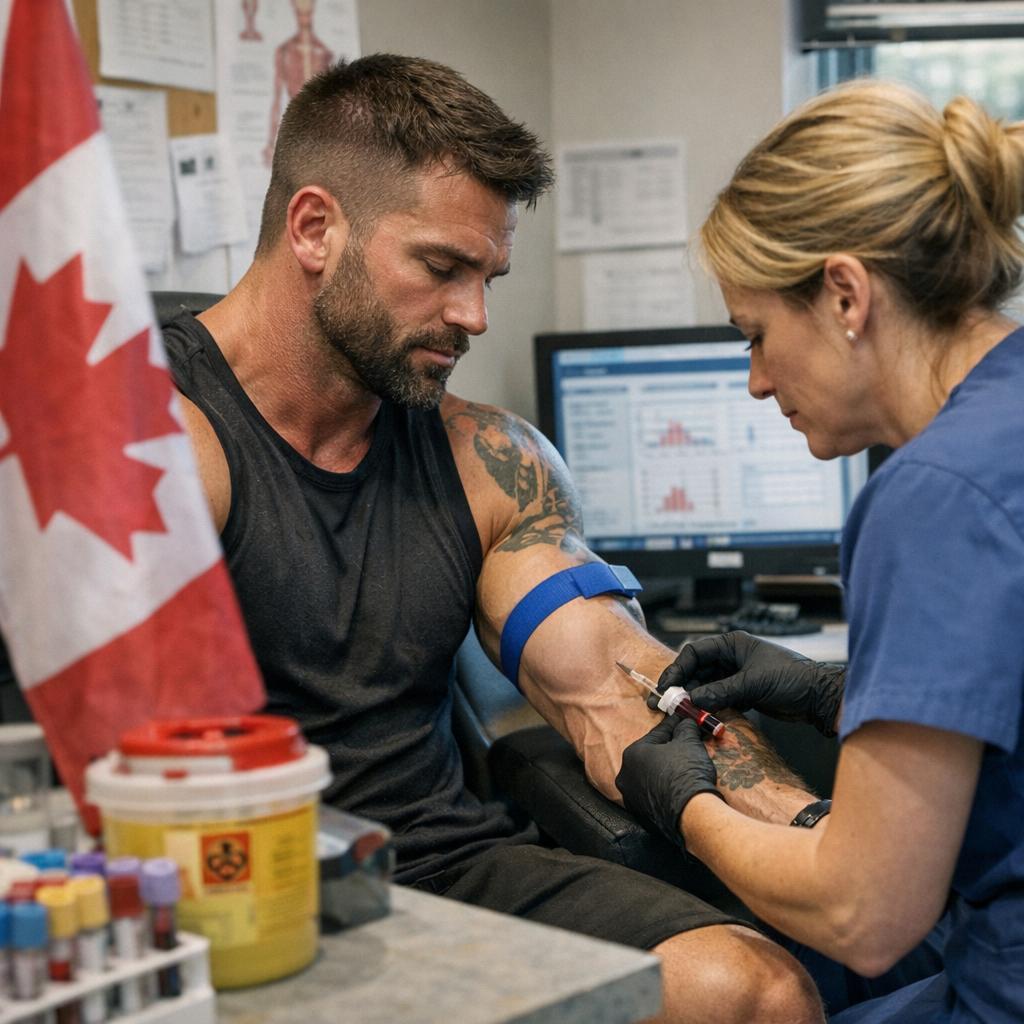
Mid-cycle bloodwork is one of the most powerful tools canadians have for protecting their health while using performance-enhancing therapies, hormone protocols, or long-term medications. Yet it’s also one of the most misunderstood – adn most often skipped – steps in a safe, evidence-based approach.
This article walks you through exactly what mid-cycle bloodwork is, why it matters, and how to approach it in a Canadian context so you can move beyond guesswork and manage your health with clarity, confidence, and real data.
Why Mid-Cycle Bloodwork Matters More Than You Think
Most people test their blood at the beginning and end of a protocol, cycle, or treatment plan. That’s useful—but it’s only part of the story.Mid-cycle bloodwork captures what’s happening while your body is actively responding to medications, hormones, supplements, or lifestyle changes.
Rather of waiting until the end to discover a problem, mid-cycle labs help you:
- Spot early warning signs before they become real health issues.
- Fine-tune dosages for better results and fewer side effects.
- Understand how your unique body responds—rather than relying on generic averages.
- have more informed, productive conversations with your Canadian healthcare providers.
what Do We Mean by “Mid-Cycle”?
“Mid-cycle” doesn’t always mean the exact halfway point. In practice, it refers to testing during the period when:
- Your medication or hormone levels have reached a steady state.
- your body has had enough time to respond—but not so long that you risk missing adverse trends.
For many protocols, this window falls between weeks 4 and 8, but the optimal timing depends on what you’re taking, your goals, and your medical history.
The Canadian Context: Access, Coverage, and Expectations
In Canada, your options for mid-cycle bloodwork will depend on your province or territory, your primary care provider, and whether you use public or private services. Some labs are fully covered, others may require out-of-pocket payment or a combination of both.
Understanding how the system works—what’s typically covered, how to request specific tests, and when private lab options might potentially be helpful—puts you in a stronger position to advocate for the monitoring you need.
Who Is This Guide For?
this article is designed for canadian users who are:
- On hormone replacement therapy (HRT) or gender-affirming care.
- Running performance or bodybuilding cycles under medical or coaching supervision.
- taking long-term medications that can impact liver, kidney, or cardiovascular health.
- Optimizing general health markers (energy, libido, mood, metabolism) using a data-driven approach.
What You’ll Learn in This Article
As you continue reading, you’ll discover:
- The core health markers Canadians should consider tracking mid-cycle.
- How to time your bloodwork for more reliable, comparable results.
- Practical strategies to discuss monitoring with your Canadian healthcare provider.
- How to interpret trends (not just individual numbers) so you can adjust safely and intelligently.
The goal is not to turn you into your own doctor—but to give you the clarity and structure you need to be an informed, proactive partner in your own care.
Ready to take your health monitoring beyond guesswork? Let’s start by breaking down exactly which markers matter most in mid-cycle bloodwork for Canadian users.

Mid cycle bloodwork is one of the most powerful ways Canadian users can transform guesswork into clear,data driven decisions. By checking key health markers between major lab panels, you can catch early warning signs, optimize energy and performance, and ensure supplements or medications are working safely. This guide walks you through what to test, when to test, and how to interpret trends so you can confidently discuss results with your healthcare provider and stay ahead of potential issues
When you live in canada, major lab work can be months apart—yet your body is changing week by week. Strategic mid‑cycle testing turns that long wait into an prospect. By dropping in for focused, targeted labs between your bigger panels, you gain a living snapshot of how your hormones, organs, and metabolism are responding in real time. Instead of wondering if that new supplement protocol, HRT adjustment, or training block is actually helping, you’ll have numbers that show whether you’re moving in the right direction—or drifting toward a problem while you still feel “fine.”
In practice, this means shifting from a reactive mindset to a proactive one. For Canadians using therapies like hormone replacement, fertility medications, thyroid support, or performance supplements, a mid‑point check allows you to see how your body is adapting before your next full workup. Key markers frequently enough reviewed during these interim labs include:
- hormones: testosterone, estradiol, progesterone, LH/FSH, SHBG to fine‑tune dosing and timing.
- Safety markers: liver enzymes, kidney function, and complete blood count to flag early strain.
- Cardiometabolic health: fasting glucose, lipids, and sometimes A1C to track long‑term risk.
- Energy and recovery: ferritin, B12, vitamin D, and thyroid markers to explain fatigue or plateaus.
| Goal | Typical Mid‑Cycle focus | What You Gain |
|---|---|---|
| hormone therapy | Sex hormones, SHBG, CBC | Adjust dose before side effects build |
| Intense training | Iron, B12, CK, electrolytes | Prevent overtraining and burnout |
| Metabolic health | Glucose, lipids, liver enzymes | Catch early shifts in risk markers |
With public and private lab options varying by province, mid‑cycle testing is most powerful when you and your clinician agree on a clear question for each draw: “What decision will this result help us make?” This keeps your panels lean, cost‑effective, and tightly aligned with your goals—whether that’s building muscle, stabilizing mood, improving cycle regularity, or simply maintaining vibrant long‑term health.

Understanding mid cycle bloodwork and why it matters for Canadians monitoring their health
Mid-cycle testing gives Canadians a powerful snapshot of how their body is truly functioning between annual checkups.Instead of waiting for symptoms or relying only on “normal range” results, this targeted bloodwork lets you track subtle shifts in hormones, inflammation, and metabolic health while there’s still time to course‑correct. When paired with lifestyle changes, it becomes a strategic tool for anyone managing fertility, energy, mood, performance, or chronic conditions in a real‑world Canadian context.
In practical terms, this type of testing focuses on what’s happening between major medical visits—capturing data at the point where your body is adapting to stress, diet, medications, or a new training plan.For Canadians, this can be especially valuable as access to routine, frequent lab work through public systems can be limited, and subtle issues frequently enough get overlooked until they become more serious. By choosing strategic, mid‑cycle panels, you can spot patterns such as fluctuating iron that affects winter fatigue, thyroid shifts that mirror seasonal mood changes, or hormone imbalances that influence cycle regularity and fertility outcomes. Key areas that people commonly monitor include:
- Hormones – reproductive, thyroid, and stress hormones that impact mood, weight, and fertility
- Metabolic markers – glucose, insulin, and lipids to track diabetes and heart risk earlier
- Nutrient status – iron, B12, vitamin D, and more, often affected by long winters and dietary shifts
- Inflammation – early clues about cardiovascular and autoimmune risk before symptoms escalate
When you track these markers at consistent points in your personal “cycle” (menstrual, training, or treatment cycle), you create your own baseline instead of relying only on broad, population‑level reference ranges. This is vital in a country as diverse as Canada, where genetics, cultural eating patterns, latitude, and healthcare access differ widely from coast to coast.
| Marker | Why Canadians Track It |
|---|---|
| Vitamin D | Limited sunlight in fall/winter |
| Ferritin (Iron) | Fatigue, heavy periods, plant‑forward diets |
| TSH & Free T4 | Thyroid shifts impacting mood and metabolism |
| Estradiol & Progesterone | Cycle regularity, fertility, PMS and perimenopause |
essential lab markers to prioritize in mid cycle testing for safe and effective monitoring
Rather of guessing how your body is handling a protocol, strategic markers reveal how your liver, kidneys, blood, and hormones are coping in real time. For Canadian users navigating varying wait times and lab access, choosing a focused set of tests ensures you get the most meaningful feedback from a single draw, allowing you to make safe, data-driven adjustments without stalling progress.
When booking mid-cycle work,start with the markers that directly reflect organ safety,hormone control,and cardiovascular risk. At the core, prioritize:
- Complete Blood Count (CBC) – tracks red blood cell thickness (hematocrit, hemoglobin) and infection/inflammation signals.
- Complete Metabolic Panel (CMP) – monitors kidney (creatinine, eGFR, BUN) and liver health (AST, ALT, ALP, bilirubin), crucial when using oral or injectable compounds.
- Lipid Profile – cholesterol, HDL, LDL, and triglycerides to gauge how your protocol is impacting long-term heart health.
- Hormone Panel – total testosterone, free testosterone (or bioavailable), estradiol (sensitive assay), and SHBG to confirm dosing is in range and estrogen is controlled, not crushed.
- Glucose & HbA1c – fasting blood sugar and 3‑month glucose control, especially important if appetite, bodyweight, or energy have shifted.
Balancing depth of data with cost and access is key. The table below shows how to structure a smart, streamlined panel that most Canadian labs can accommodate:
| category | must-Have Tests | Why It Matters Mid‑cycle |
|---|---|---|
| Organ Safety | CBC, CMP | Checks blood thickness, liver strain, and kidney load. |
| Hormones | Total T, Free T, E2, SHBG | Confirms if dosage and AI use are appropriate. |
| Cardio & Metabolic | Lipid panel,Glucose,HbA1c | Flags cholesterol shifts and insulin resistance. |
- Optional but powerful add-ons: prolactin, thyroid panel (TSH, free T4, free T3), and CRP (inflammation) for those running longer or heavier protocols.
How to time your mid cycle bloodwork for accurate results across Canadian provinces
Timing isn’t just a detail—it’s the difference between data that guides your health and numbers that mislead you. Across Canada, lab cut-off times, weekend closures, and processing schedules can shift your results by several hours, quietly altering hormone levels like estradiol, progesterone, and LH. To stay in control, you’ll want to align your blood draw with both your cycle day and your province’s lab realities, so you’re comparing like-with-like every month instead of chasing noise. With a clear timing strategy, your mid‑cycle labs become a precise snapshot of ovulation, not a blurry photo taken in the wrong light.
For most natural cycles, aim to test about 24–36 hours before expected ovulation, or around cycle days 11–13 in a typical 28‑day cycle, while recognizing that your own “mid‑cycle” may shift. In Canada, this ideal window must also respect lab access patterns—as a notable example, some Saskatchewan and Atlantic clinics run limited Saturdays, while many Ontario and Quebec labs are busiest mid‑morning, leading to longer waits and occasional delays in processing time‑sensitive hormone panels.To keep your data tight and comparable, try to:
- Book early-morning draws (7–9 a.m.) to reduce variability from daily hormone fluctuations.
- Use the same lab chain and roughly the same time of day each cycle, especially for estradiol and progesterone.
- avoid long weekends and provincial holidays when samples may sit longer before processing.
- Confirm fasting instructions when pairing hormone tests with lipids or glucose,as some provinces combine panels by default.
To help you sync your cycle with local lab habits, use this rapid-reference overview of common patterns across regions:
| Region | Best Draw window | Timing Notes |
|---|---|---|
| Ontario & Quebec | Cycle day 11–13, 7–9 a.m. | Avoid Monday rush; mid‑week is smoother. |
| BC & Alberta | Cycle day 10–12,early morning | Check for appointment‑only sites. |
| Prairies & Atlantic | Cycle day 11–13, before 10 a.m. | Confirm Saturday hours in smaller centres. |
| Territories | Cycle day 10–13, first clinic opening | Plan around shipment days for hormone stability. |
Interpreting trends not single numbers using mid cycle labs to guide your next steps
Mid-cycle labs act like a health “flight dashboard” rather than a single warning light. Instead of reacting to one out-of-range marker, you’re looking at how your numbers move over weeks: are liver enzymes creeping up, is hematocrit plateauing, is HDL gradually dropping? This trend-based view is especially crucial in canada, where access to testing may be less frequent, making every panel count. By lining up multiple mid-cycle results side by side,you gain a realistic picture of how your current protocol,training,nutrition,sleep,and stress are shaping your internal health,not just your physique or performance.
When you compare results from two or three mid-cycle panels, patterns emerge that a single test can’t show. For example, a slightly elevated ALT on one draw might be harmless, but a steady climb across 6–8 weeks is a clear signal to reassess dosage, add liver-supporting strategies, or extend your off-cycle timeline. The same logic applies to lipids, kidney function, and hormones.What matters is the direction and speed of change, not one isolated value. As you track, keep a simple log that connects numbers to real-life factors like new supplements, a hard bulk, intense cutting, or long work shifts—this helps you (and your provider) make evidence-based adjustments rather of guessing.
- Liver enzymes (ALT, AST) – rising trend may call for dose reduction, less alcohol, or cycle length changes.
- Hematocrit & hemoglobin – gradual climb can guide decisions on therapeutic phlebotomy or adjusting androgens.
- HDL, LDL, triglycerides – worsening lipids over time can trigger cardio, diet, and fish oil interventions.
- eGFR & creatinine – tracking over months helps separate gym-related fluctuation from real kidney stress.
| Marker | Stable Trend | Concerning Trend |
|---|---|---|
| ALT / AST | Flat or slightly down | Stepwise increase each panel |
| Hematocrit | Within range, no sharp jumps | Climbing toward upper limit |
| HDL | Stable or improving | Gradual decline over weeks |
Practical strategies for accessing mid cycle bloodwork in Canada and collaborating with your care team
Mid‑cycle bloodwork in Canada is absolutely possible, but it often requires a bit of strategy and clear communication. Think of yourself as the project manager of your own health: you’re coordinating timing, lab access, and your care team so that each test tells a useful story about how your body is responding. Start by mapping your cycle and planning around local lab hours or appointment availability. Many Canadians combine public options (family doctor, walk‑in clinic, community health centre) with private services when they want increased flexibility. The more specific you are about why you need tests on certain days, the easier it becomes for a provider to justify and order them within provincial guidelines.
To streamline access, prepare a simple one‑page summary to bring to your appointments. Include your typical cycle length, current day of cycle, symptoms, medications, and a list of desired tests (for example, estradiol, progesterone, LH, FSH, TSH, prolactin, fasting insulin, lipid panel). use language that aligns with clinical goals,such as monitoring treatment response,ruling out specific conditions,or assessing baseline health. When booking, ask explicitly: “Can this requisition specify that labs be drawn on cycle day X–Y?” and clarify whether you need a standing order for repeat testing across several months. You can also:
- Leverage telehealth: Virtual visits can be faster for renewals or fine‑tuning requisitions.
- Ask about flexible requisitions: Some providers will write “mid‑luteal” or “CD 19–23” rather of a single fixed date.
- Batch questions: Bring lab results, symptom notes, and cycle tracking data to maximize each visit.
- Clarify coverage: Ask which tests are insured in your province and what may require private payment.
Arrive with organized data and a clear ask, and invite your provider into a partnership rather than a one‑time transaction. Phrases like “I’d like to monitor how my hormones change mid‑cycle so we can adjust treatment more precisely” signal that you’re committed and open to their expertise. Consider using a shared language around goals, such as:
- Stability: Reducing cycle‑related mood swings, migraines, or energy crashes.
- Safety: Checking that medications, supplements, or therapies are not stressing your liver, kidneys, or clotting system.
- Optimization: Fine‑tuning dosages based on how your labs behave at different points in the cycle.
| Your Role | Provider’s Role |
|---|---|
| Track cycle & symptoms | Translate into appropriate tests |
| Request mid‑cycle timing | Write clear, time‑sensitive requisitions |
| Bring questions & priorities | Interpret results & adjust plan |
Mid cycle bloodwork offers early insight into how your body is responding before a full cycle is complete. When paired with symptoms and lifestyle tracking, it becomes a powerful tool for reducing risk, adjusting dosages, and personalizing your health plan in a Canadian healthcare context
Mid-interval lab work transforms your treatment from a “wait and see” approach into a dynamic feedback loop.Instead of discovering issues at the end of a cycle, you can see early trends in hormones, liver enzymes, or lipids while there’s still time to pivot. When you layer this with your daily symptom notes, sleep data, stress levels, and training logs, you gain a real-time map of how your protocol is landing in your body—within the structure and safety standards of the Canadian healthcare system.
By combining objective markers from lab tests with subjective tracking, you move from guessing to evidence‑based decision making. For example, if you notice rising ALT/AST or shifts in lipid levels alongside new fatigue or headaches, you and your provider can quickly assess whether dosage changes, additional supports (like liver-amiable habits), or a slower titration are warranted. In canada,where access often flows through family physicians,walk‑in clinics,or telehealth platforms,leveraging this interim data makes every appointment more efficient: you arrive with clear records,targeted questions,and a concise picture of how your body is coping.
- Risk reduction: Spot red flags—like blood pressure or liver stress—before they become emergencies.
- Smarter dose changes: tweak amounts or timing based on both labs and lived experience, not just trial and error.
- Truly personalized care: Build a protocol that respects your genetics, lifestyle, and provincial care options.
💡 Pro tip: Book your mid cycle bloodwork at the same time of day and under similar conditions each time—fasting status, sleep, and activity level—to make trends reliable and easier for your provider to interpret
Consistency turns scattered lab results into a clear, reliable story of your health. When you lock in a regular testing routine—same time of day, similar sleep, food, and activity patterns—you remove “noise” and make it much easier for your Canadian provider to see what’s really changing. This is especially powerful for mid-cycle bloodwork, where hormones and key markers can shift subtly throughout the day. A structured approach transforms your results from random snapshots into a meaningful timeline your care team can confidently act on.
think of your bloodwork like a health “before and after” photo shoot: the more controlled the conditions, the more honest the comparison. Aim to schedule your draws at a consistent time (for example, between 7–9 AM), and keep your pre-test routine as similar as possible. That means matching your usual fasting status, repeating your typical sleep pattern, and avoiding big swings in activity level—like doing a heavy workout right before one test and not the next. small details matter: even a late night, a large late dinner, or an intense morning run can subtly shift markers like cortisol, glucose, lipids, and certain hormones. When these variables are controlled, your provider can focus on real trends rather of one-off fluctuations.
To keep things simple, build a repeatable “lab day ritual” you follow every time. For example:
- evening before: Finish your last meal at a similar time and avoid unusual late-night snacks or alcohol.
- Overnight: Aim for your usual sleep window (even if imperfect) and note any major disruptions.
- Morning of: Match your normal coffee/tea routine, avoid strenuous exercise, and take only the medications or supplements your provider has approved before testing.
- During your visit: Try to book at the same lab location and time slot whenever possible, especially if you’re monitoring mid-cycle patterns over several months.
| Factor | Keep This Consistent | Why It Matters |
| Time of Day | Same 1–2 hour window | Hormones follow daily rhythms. |
| Fasting Status | Fed or fasted—always the same | Impacts glucose, insulin, lipids. |
| Sleep | Similar duration and bedtime | Affects cortisol and inflammation. |
| Activity Level | No intense workout right before | Reduces skewed muscle markers. |
take the next step book your mid cycle bloodwork and start tracking the health trends that matter most to you in Canada today
You don’t have to guess how your body is responding to your lifestyle,supplements,or hormonal changes. With mid‑cycle bloodwork available across Canada, you can turn scattered lab results into a clear, visual story of your health—cycle after cycle, month after month.
Booking your next panel is less about a one‑off test and more about building a personal health dashboard you can rely on. When you schedule consistent mid‑cycle labs,you create a reliable baseline that makes subtle shifts in hormones,nutrients,and inflammation visible long before they become symptoms. Many Canadians now pair their bloodwork with apps or spreadsheets to chart these patterns, transforming raw numbers into insights they can share with their healthcare provider. Over time, you’ll see how changes to sleep, exercise, nutrition, or medication show up in your data—empowering you to make faster, more confident decisions.
When you schedule your next test, aim to:
- Use the same lab provider where possible, to keep measurement methods consistent.
- Test at a similar time of day and cycle day to reduce natural variability.
- Track 3–5 core markers (e.g., key hormones, iron, vitamin D) that matter most to your goals.
- Log results immediately in a dedicated tracker (spreadsheet, app, or journal).
- Share trends, not just numbers, with your clinician for more tailored recommendations.
| Goal | Suggested Focus |
|---|---|
| Energy & Mood | Iron, B12, thyroid, mid‑cycle hormones |
| Cycle Clarity | Estrogen, progesterone (mid‑luteal), LH, FSH |
| Long‑Term health | lipids, A1C, vitamin D, inflammatory markers |
What Actually Matters
Bringing Mid-Cycle Bloodwork From Theory Into Practice
Mid-cycle bloodwork isn’t just another checkbox in your health journey—it’s the bridge between intention and informed action. For Canadians navigating private labs, provincial coverage, and evolving guidelines, these mid-point snapshots can reveal whether your plan is truly working for your body.
The real advantage comes when you pair consistent testing with smart interpretation, collaboration with qualified professionals, and a commitment to long‑term tracking. That’s where mid-cycle data turns into meaningful, safer progress.
From One-Off Labs to a Long-Term health Strategy
Mid-cycle bloodwork is most powerful when you stop treating it as a one-time event and start seeing it as part of a structured, repeatable health strategy. Each panel becomes a chapter in a longer story about how your body responds to training, nutrition, medications, and lifestyle.
turn Results Into Clear Next Steps
Instead of viewing your mid-cycle labs as “good” or “bad,” look at them as directional signals:
- Are key markers improving, stable, or trending in the wrong direction?
- Do any values suggest you should pause, reduce, or adjust your current protocol?
- Are there early flags—lipids, liver enzymes, kidney markers, hematocrit—that warrant a deeper discussion with a Canadian provider?
Collaborate With Canadian Providers, Don’t Replace Them
Third-party labs, private bloodwork services, and at-home kits can give canadian users more flexibility, but they don’t replace qualified clinical guidance. Your safest,most effective results come from combining:
- evidence-based protocols that respect your age,history,and risk factors.
- Regular mid-cycle monitoring at predictable intervals (not just when something feels “off”).
- Interpretation by a licensed professional familiar with Canadian standards and reference ranges.
Use Your data as a Conversation Starter
When you walk into an appointment with organized, mid-cycle results:
- Your provider can spot problems earlier.
- Discussions about dosage, duration, and risk become data-driven, not speculative.
- You demonstrate that you’re serious about monitoring—not just chasing short-term outcomes.
Building a Safer Blueprint for Your Next Cycle
The most valuable lesson from mid-cycle bloodwork is that your next decision should look different from your last one—as it’s now backed by real numbers. Over time,you’ll start to recognize your own “normal,” your personal risk thresholds,and which changes reliably move your markers in the right direction.
For Canadian users—balancing provincial coverage rules, private testing costs, and access to specialists—this approach is especially critically important. Thoughtful planning means fewer surprises, more predictable outcomes, and a much better chance of staying within a safe, lasting range.
Which markers will I check? At what week? What result would make me lower the dose, stop, or seek urgent care? Pre-committing to these rules removes emotion from high‑pressure decisions.
You’re In Charge of the Variables You Can Control
You can’t control every factor—genetics, wait times, or system limitations—but you can control how proactively you monitor, how honestly you respond to warning signs, and how seriously you treat your long-term health.
Mid-cycle bloodwork is one of the few tools that gives you objective insight while change is still possible. Used wisely, it can help you:
- Protect your heart, liver, and kidneys before damage accumulates.
- Balance performance goals with real-world safety.
- Make each cycle more precise, more predictable, and less risky than the last.
Your Next Step Starts Before Your Next Cycle
If you take nothing else from this article, let it be this: build your mid-cycle testing plan now—before you need it.Decide what you’ll test, when you’ll test it, and who will help you interpret it in the Canadian context. That single decision can change the trajectory of your health over the next decade.
Ready to make your next cycle safer and smarter?
Create your personalized mid-cycle bloodwork checklist today—and bring it to your next appointment so you and your provider can turn data into a long-term health plan.
🔗 Related on Steroids Canada