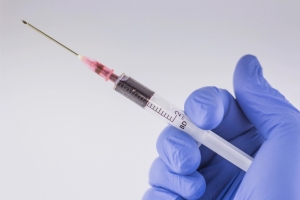
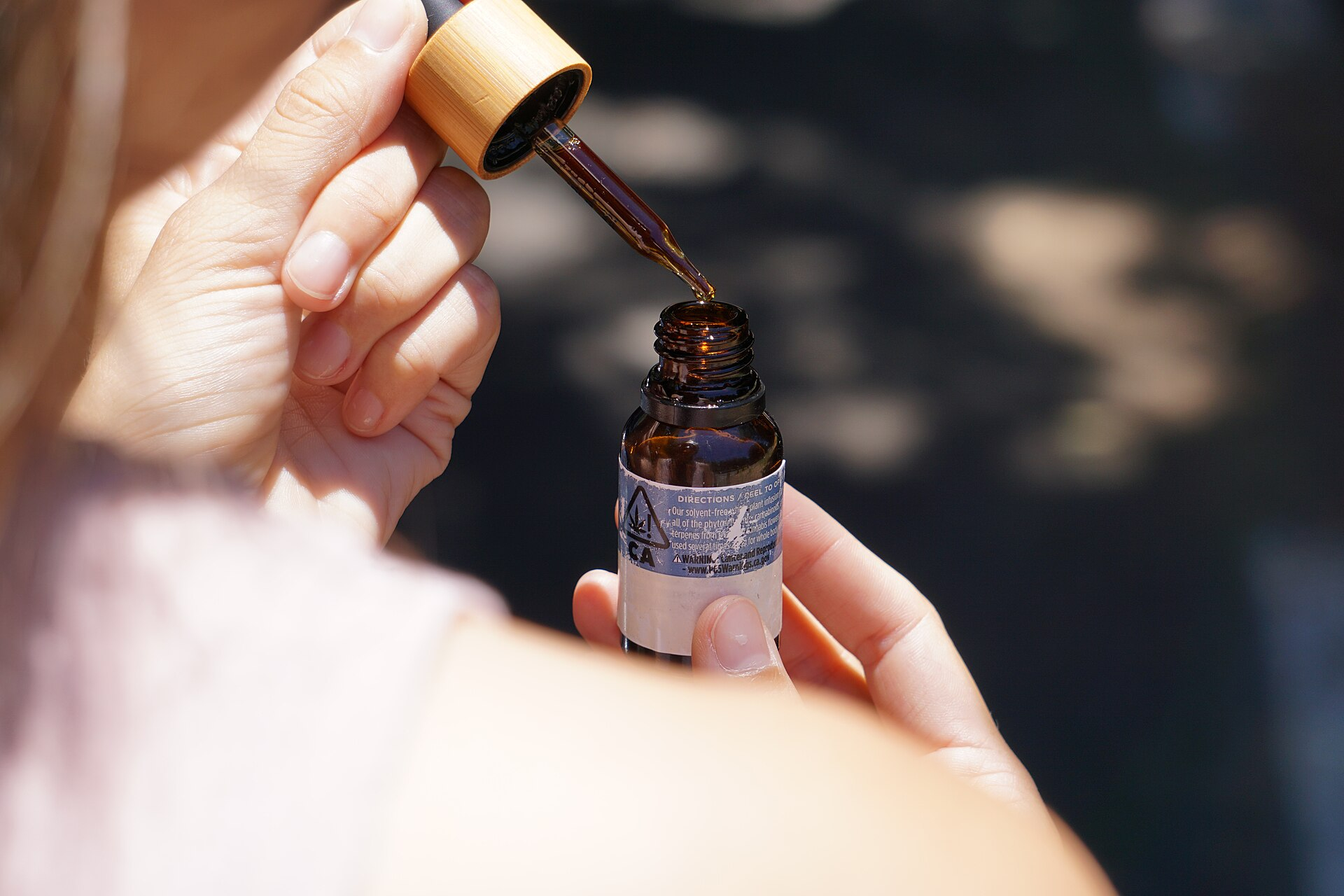
SARMs are sold as liquids (dissolved in a solvent and measured with a dropper or syringe) or as capsules and tablets. Capsules and tablets give more consistent amounts and are easier to store. Either way, the biggest issue is not the form but whether the product contains what the label says.
- Liquids: flexible amounts, but measuring and solvent quality vary.
- Capsules and tablets: fixed amounts, better stability, easier travel.
- Batch-specific lab testing matters more than the format.
Because SARMs are sold as research chemicals, they come in formats you would not see for an approved medicine. The choice between liquid and capsule affects accuracy, convenience and storage. Here is a practical comparison.
How each form is made
Liquids are made by dissolving SARM powder in a solvent, commonly polyethylene glycol (PEG 300 or 400), sometimes with ethanol or propylene glycol, at a stated concentration such as 10 mg per ml. You measure each amount with a dropper or oral syringe.
Capsules and tablets contain a fixed amount of SARM mixed with filler. Each unit is meant to be identical.
Side by side
| Liquid | Capsule or tablet | |
|---|---|---|
| Dosing accuracy | Depends on measuring and even mixing | Fixed per unit |
| Flexibility | Easy to adjust amounts | Fixed steps |
| Taste | Often harsh, alcohol or chemical | None |
| Stability | Can degrade with heat, light or cold | More stable |
| Storage and travel | Leaks, needs upright storage | Simple |
| Solvent exposure | Daily PEG or alcohol | Minimal |
Dosing accuracy
Droppers are imprecise; a “1 ml” dropper can vary by 10–20% or more between squeezes. Oral syringes marked in 0.1 ml steps are far better. Some SARMs settle or crystallise if the liquid gets cold, which is common during Canadian winter deliveries, so the first and last amounts from a bottle can differ. Shake well and check for crystals. With capsules, amounts are fixed, though quality control at the factory still matters.
The bigger issue: what is actually inside
A 2017 study in JAMA by Van Wagoner and colleagues bought 44 products sold online as SARMs and analysed them:
- Only about 52% contained one or more SARMs.
- About 39% contained another unapproved drug, such as growth hormone secretagogues or GW-501516 (which is not a SARM).
- About 25% contained substances not listed on the label.
- Only about 41% contained an amount within 10% of the label claim.
- Some contained no active ingredient at all.
Liquids were more likely to be mislabelled in that study, partly because they are easier to produce cheaply. A product that is underdosed, overdosed or substituted changes both effects and risks.
How to judge a product
- Batch-specific lab results showing identity and amount, with a batch number matching your product
- A Canadian supplier with clear contact details and domestic shipping
- Consistent appearance across units and orders
- Clear labelling of amount per unit and expiry
- Prices in line with the market; very cheap SARMs are often underdosed
Our guide to choosing a safe supplier covers red flags in more detail.
Measuring a liquid accurately
- Use an oral syringe marked in 0.1 ml steps rather than the dropper.
- Shake the bottle well before every use.
- Read the syringe at eye level and push out air bubbles.
- Check the concentration on the label: at 10 mg per ml, 0.1 ml contains 1 mg.
- Write down each amount; with liquids it is easy to lose track.
Storage
- Room temperature (15–25 °C), away from light and moisture
- Liquids: tightly sealed and upright; warm gently and shake if crystals form
- Capsules: in the original container with the lid closed; avoid bathrooms
- Out of reach of children and pets
Side effects do not depend on form
Whether liquid or capsule, a SARM’s effects come from the molecule: suppression of testosterone, lower HDL, possible liver strain, and compound-specific effects such as vision changes with S4. Bloodwork before and during use is the only way to know how you are responding. See our bloodwork guide and SARMs 101.
Our products
Our SARMs, such as Zionova Ostarine, Zionova LGD-4033 and Zionova RAD-140, come in fixed-amount oral form with batch lab results on each product page. SARMs are not authorised by Health Canada for human use and are sold for research.
Frequently asked questions
Are liquid SARMs or capsules better?
Capsules and tablets give more consistent amounts and store more easily. Product quality matters more than the format.
What are liquid SARMs dissolved in?
Usually polyethylene glycol (PEG), sometimes with ethanol or propylene glycol.
How common are fake SARMs?
In a 2017 JAMA study, only about half of products sold as SARMs online contained one, and many were mislabelled.
Photo: elsaolofsson, Wikimedia Commons (CC BY 2.0).
General information about research compounds, not medical advice. SARMs are not approved for human use in Canada.
Related on Steroids Canada