
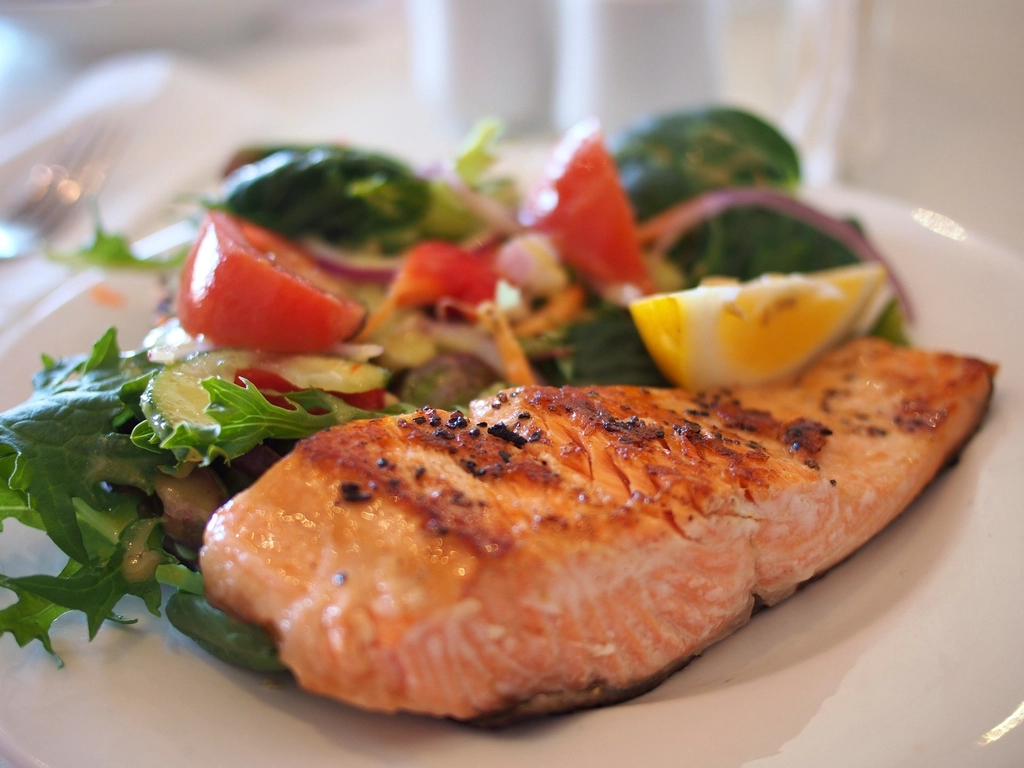
The ketogenic (keto) diet cuts carbohydrates to about 20–50 g a day so the body burns fat and makes ketones for fuel. It can cause fast early weight loss and reduces appetite for many people, but over months its fat loss is similar to other diets with the same calories. Training performance at high intensity may suffer.
- Early weight loss is largely water from depleted glycogen.
- Protein stays moderate to high; fat makes up most calories.
- Not suitable for some people with diabetes medication, kidney problems or eating disorders.
Keto has been one of the most popular diets in Canada for years, with grocery aisles now full of keto products. This guide explains what it does in the body, what research shows, and how to do it well if you choose to.
How keto works
When carbohydrate intake drops very low, the body uses up stored glycogen and switches to burning fat. The liver turns some fat into ketones, which the brain and muscles can use for energy. This state is called nutritional ketosis. It usually takes two to four days to enter and a few weeks to adapt.
| Macro | Typical keto target |
|---|---|
| Carbohydrate | 20–50 g a day (about 5–10% of calories) |
| Protein | 1.2–2.0 g per kilogram of body weight |
| Fat | The rest, often 60–75% of calories |
What studies show
- Weight loss: keto often leads to faster weight loss in the first weeks, much of it water. Over 6–12 months, meta-analyses find results similar to other diets when calories and protein are matched.
- Appetite: many people find ketosis reduces hunger, which helps them eat less.
- Type 2 diabetes: low-carbohydrate diets improve blood sugar control and can reduce medication needs, under medical supervision.
- Muscle and strength: studies in lifters show strength can be maintained, but muscle gain may be slower than on higher-carbohydrate diets, partly because of lower insulin and glycogen.
- Performance: high-intensity and sprint performance may drop, since these rely heavily on carbohydrate.
Keto foods in Canadian stores
- Protein: eggs, fish such as salmon and mackerel, chicken thighs, beef, pork, cheese
- Fats: olive and canola oil, butter, avocado, nuts and seeds
- Low-carb vegetables: leafy greens, broccoli, cauliflower, zucchini, peppers, mushrooms
- Dairy: plain Greek yogurt in moderation, cream, hard cheeses
- Berries in small amounts
Limit or avoid: bread, pasta, rice, potatoes, sugar, most fruit, beer and sweetened drinks. Many packaged “keto” snacks rely on sugar alcohols, which can cause stomach upset, and are often high in calories. See low-carb snacks in Canada.
Side effects
- “Keto flu”: headache, fatigue, irritability and cramps in the first week, largely from fluid and sodium loss. Extra salt, water and magnesium help.
- Constipation from low fibre
- Bad breath from ketones
- Raised LDL cholesterol in some people, sometimes markedly, especially with high saturated fat intake
- Kidney stones, rarely, over long periods
- Lower training performance in high-intensity work
Who should avoid keto
- People with type 1 diabetes, unless closely supervised
- Pregnant or breastfeeding women
- People with kidney disease, liver disease or pancreatitis
- People with a history of eating disorders
- Anyone with familial hypercholesterolemia or very high LDL
Keto for lifters
If you lift and want to try keto, keep protein high, consider placing a small amount of carbohydrate around training (a “targeted” approach), and track strength. If performance falls significantly, a moderate low-carbohydrate diet (100–150 g a day) may suit you better. For people using anabolic steroids, which already worsen cholesterol, a high-saturated-fat keto diet can push LDL higher; check a lipid panel. See steroids and cholesterol and carb cycling.
A sample keto day
| Meal | Foods |
|---|---|
| Breakfast | Three eggs scrambled in olive oil with spinach and feta |
| Lunch | Salmon salad with avocado, cucumber and olive oil dressing |
| Snack | A handful of almonds and some cheese |
| Dinner | Chicken thighs with roasted broccoli and cauliflower |
This provides roughly 25–35 g of net carbohydrates and well over 100 g of protein.
Coming off keto
When people return to normal carbohydrate intake, body weight usually rises by 1–3 kg within days as glycogen and water refill. This is not fat gain. Reintroducing carbohydrates gradually, choosing whole-food sources, and keeping protein high makes the transition smoother and helps maintain results.
Doing keto well
- Prioritise whole foods: fish, eggs, vegetables, nuts, olive oil.
- Use mostly unsaturated fats rather than large amounts of butter and processed meat.
- Eat plenty of low-carb vegetables for fibre.
- Add salt and drink enough water, especially early on.
- Check cholesterol after a few months.
Frequently asked questions
Does keto burn more fat than other diets?
Over months, studies show similar fat loss to other diets with matched calories and protein. Early weight loss is faster mainly due to water.
Can you build muscle on keto?
You can maintain strength and build some muscle, but gains may be slower than with more carbohydrates.
How many carbs can you eat on keto?
Usually 20–50 g a day, though the exact amount that keeps someone in ketosis varies.
Photo: rawpixel (public domain).
General information, not medical advice. Talk to your doctor before starting keto if you have a medical condition or take medication.
Related on Steroids Canada