
MT2 Melanotan Introduction: Tanning Peptide Basics for Canadians
For Canadians, achieving and maintaining a natural-looking tan can feel like a battle against geography and climate. Long winters, limited sun exposure, and genuine concerns about UV damage have many people searching for alternatives to customary sunbathing and tanning beds.
This is where MT2 (Melanotan II) often enters the conversation. Talk of “tanning peptides” is becoming more common in Canadian gyms, online forums, and beauty communities—but reliable, Canada-focused data is much harder to find then hype.
This article is designed as a clear, practical introduction for Canadians: what MT2 is, how it relates to tanning, why it’s so controversial, and the foundational concepts you should understand before considering any peptide-based approach to skin darkening.
What This guide Will Help You Understand
Instead of marketing promises or fear-based messaging, you’ll find a balanced, Canada-specific overview of MT2 and tanning peptides. By the end of this introduction, you’ll have a firm grasp of the core ideas you need before diving deeper.
In This Introduction, You’ll Learn:
- What MT2 (Melanotan II) actually is and why it’s called a “tanning peptide.”
- How MT2 interacts with melanin and skin pigmentation at a basic level.
- The unique Canadian context: climate,access,and regulatory considerations.
- Key terminology you’ll see when researching MT2 and related peptides.
- Foundational safety and risk-awareness concepts to keep in mind from the start.
Why Tanning Peptides Are on Canadians’ radar
In a country where snow can linger for half the year and UV intensity fluctuates dramatically by region and season, many Canadians feel they simply don’t get enough safe, consistent sun exposure to maintain a bronze complexion. Tanning beds carry their own well-documented risks, and topical self-tanners don’t work for everyone.
Against this backdrop, MT2 is often presented online as a shortcut: a lab-created peptide that may stimulate melanin production and help deepen skin tone with less direct sun. The idea is undeniably appealing—but it’s also where clarity, caution, and high-quality information become essential.
Setting the Right Expectations From the Start
This introduction is not about promoting or endorsing MT2. Instead,it’s about equipping you with the language,context,and baseline understanding to critically evaluate any claims you encounter—especially those targeted at Canadians.
You’ll be encouraged to think about:
- How peptides like MT2 fit into broader tanning and skin-health strategies.
- Why regulatory status and medical guidance matter more than online reviews.
- what “responsible curiosity” looks like when exploring emerging appearance-enhancing compounds.
A Canadian-Focused Starting Point
As regulations, healthcare systems, and product availability differ from country to country, Canadian readers need guidance tailored to their reality—not just repackaged content from U.S., U.K.,or European sources.This article starts with fundamentals and builds from there, with Canadian conditions, concerns, and access in mind.

Discover how MT2 Melanotan works, what Canadians should know before considering it, and the smart steps to prioritize safety, realistic expectations and skin health over a quick tan
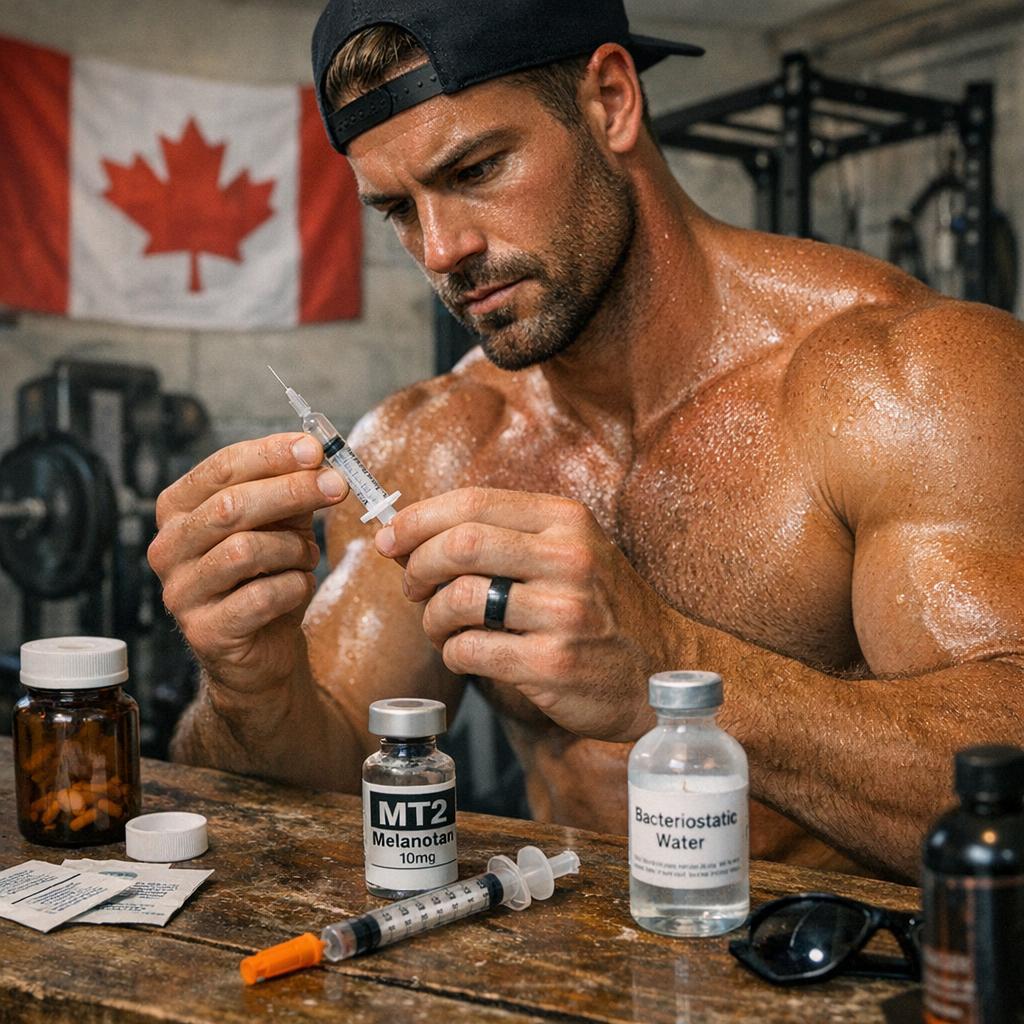
MT2 Melanotan is often described as a “shortcut tan,” but in reality it’s a synthetic peptide that signals your body to produce more melanin—the pigment that darkens your skin and helps absorb UV radiation. It binds to melanocortin receptors in your skin, essentially nudging your natural tanning response to switch on more quickly and, for some people, more intensely. While that can sound appealing during a long Canadian winter, it also means you’re influencing delicate hormonal pathways, not just colouring your skin like a topical self‑tanner.
before any canadian even thinks about experimenting with MT2,it’s vital to understand the legal gray zones,the medical unknowns,and the practical safety steps that should never be skipped. In Canada, MT2 is not an approved drug for cosmetic tanning, which means products are often sold online as “research chemicals” with no guarantee of purity, accurate dosing, or sterility. Sensible skin health means approaching this peptide like a serious intervention, not a beach accessory: that includes speaking with a healthcare provider, getting honest about your skin type and cancer risk, and weighing alternatives such as gradual UV exposure, high-quality self-tanners, or simply embracing your natural tone. To keep decisions grounded and realistic, focus on:
- Evidence, not hype – Look for peer‑reviewed data and official guidance, not influencer anecdotes.
- Source quality – question where the peptide comes from, how it’s stored, and what’s actually in the vial.
- Skin cancer risk – Consider your family history, moles, and how you normally react to the sun.
- Sun behavior – Tanning peptides do not replace sunscreen, shade, or protective clothing.
- Exit strategy – Decide what will make you stop: side effects, abnormal moles, or simply deciding the risk isn’t worth it.
What Canadians Should Weigh Before a Peptide Tan
Balancing appearance goals with long‑term health starts with being brutally honest about your motivations and your risk comfort level. A subtle glow for vacation might feel harmless, but MT2 can trigger side effects like nausea, headaches, darkening of existing moles and freckles, and in some reports, concerning changes in atypical moles. Because Canadian dermatologists regularly deal with UV‑related skin cancers, many urge caution with anything that tempts people to spend more time in the sun. A smarter approach is to treat MT2 as a serious medical‑style decision and build a safety framework around it rather of chasing a “perfect tan at any cost.”
| Priority | Smart Action |
|---|---|
| Skin safety | Full‑body mole check before and during use |
| Dosing | Start low, increase slowly only with medical oversight |
| Expectations | Aim for subtle colour, not an extreme transformation |
| Overall health | Screen for hormone, kidney, and liver concerns |

Understanding MT2 Melanotan Basics How This Tanning Peptide Interacts With Your Skin
Curious how a tiny peptide can influence the depth and speed of your tan, even under Canada’s often unpredictable sunlight? MT2 Melanotan is a lab‑created version of a natural hormone your body already uses to darken the skin. Rather of being a “paint-on” colour or cosmetic bronzer, it effectively works from the inside out, signalling pigment cells to become more active and encouraging a richer, more even complexion when combined with UV exposure.
At its core, MT2 mimics α‑MSH (alpha-melanocyte-stimulating hormone), a hormone your body produces to tell melanocytes—the pigment factories in your skin—to create more melanin.More melanin means a darker appearance and, in many cases, a stronger natural buffer against UV damage. After management, the peptide circulates through your system and binds to specific receptors known as MC1R (melanocortin 1 receptors) on melanocytes. When these receptors are activated, they trigger a chain reaction that boosts melanin production, which gradually appears as a tan when you’re exposed to controlled amounts of sunlight or tanning beds. because everyone’s genetics are different, the intensity and speed of this response can vary widely between individuals, including Canadians with very fair or burn-prone skin.
Here’s a simplified look at how this peptide interacts with your skin once it’s in your system:
- Signal: MT2 circulates and attaches to melanocyte receptors (MC1R).
- Activation: Melanocytes “switch on” and increase melanin synthesis.
- Distribution: New melanin is pushed towards the surface layers of the skin.
- Visible change: With UV exposure, the skin gradually darkens and may tan more evenly.
| MT2 Effect | What You May Notice |
|---|---|
| Melanocyte stimulation | Skin begins to darken with UV exposure |
| Enhanced melanin density | Tan may appear deeper and last longer |
| UV response shift | Some users report less burning, more gradual browning |
Canadian Legal Landscape sourcing MT2 Responsibly and Navigating Health Canada Guidance
Canada treats unapproved tanning peptides as a grey-zone product, which means your choices around MT2 aren’t just cosmetic—they’re legal and safety decisions. Health Canada’s stance is clear: anything that acts like a drug, even if marketed as a “research peptide,” can fall under the Food and Drugs Act and related regulations. For Canadians curious about MT2, the real power move is understanding how to read between the lines of guidance, ask smarter questions of sellers, and avoid the traps of misleading “for research only” labels that mask non-compliant marketing practices.
When exploring MT2 sources across provinces, it’s essential to separate what’s advertised from what’s actually compliant. Responsible buyers look for vendors that are transparent about:
- Intended use language that doesn’t promise therapeutic or cosmetic outcomes.
- Clear disclaimers acknowledging Health Canada rules rather than pretending they don’t exist.
- Batch and purity information that aligns with research-grade expectations.
- No medical claims about preventing skin cancer, reversing damage, or replacing sunscreen.
How Health Canada frames MT2-like Products
| Regulatory Lens | What It Means for You |
|---|---|
| Drug-like claims | Promises about tanning, protection, or treatment can trigger drug classification. |
| Unapproved active | No DIN or NPN means it is not authorized for sale as a therapeutic product. |
| Import scrutiny | Packages can be stopped, inspected, and refused at the border. |
A cautious Canadian approach layers regulatory awareness with personal risk management. That includes scrutinizing any seller that suggests MT2 is “approved in Canada,” checking whether information lines up with official Health Canada advisories, and being honest about the difference between experimental interest and medically supervised care. Staying within the spirit of Canadian guidance means:
- Recognizing MT2 as unapproved and experimental in the Canadian context.
- Consulting a licensed Canadian healthcare professional before acting on any online claims.
- prioritizing sun-safe behaviour (SPF, shade, regular skin checks) over any peptide promise.
Smart Dosing Strategies Building a Conservative MT2 Plan Aligned With Your Skin Type and Goals
Crafting a thoughtful MT2 approach means matching the dose to your natural skin behaviour, not to what you see on social media.For Canadians moving from long winters to short, intense summers, a conservative plan helps you build colour gradually while monitoring how your individual skin type, appetite, and moles respond—so you earn a deeper glow with fewer surprises along the way.
Smart MT2 planning starts by honestly assessing where your skin sits on the spectrum from very fair to naturally olive, then scaling your dose to the minimum effective amount. Fair, burn‑prone users typically lean into microdosing and longer loading phases, while darker, tan‑amiable types can often tolerate slightly higher but still measured doses.A practical framework many Canadians follow is to begin with ultra‑low injections, hold that line for several days, then only nudge upward if the skin shows steady, even change rather than blotchy patches. Pairing this with lifestyle habits like limiting early sun exposure,staying hydrated,and keeping a simple skin‑check routine makes the entire process more predictable and less stressful.
aligning dose,skin type,and goals often means dialing back,not pushing harder.
- Type I–II (very fair to fair): Favour tiny daily doses, shade, and gradual sun exposure to reduce the risk of harsh burns and uneven pigmentation.
- Type III–IV (medium to olive): Can usually maintain colour on modest maintenance dosing with shorter sun sessions a few times per week.
- Type V–VI (deep tones): Often focus on subtle enhancement and evening of tone rather than dramatic shade changes, keeping doses conservative and infrequent.
| Skin Type | Starting Style | Sun Game Plan |
|---|---|---|
| Very Fair | Microdose,go slow | SPF + shade,short exposures |
| Medium | Low,steady dosing | Morning/evening sun blocks |
| Olive/Deep | Conservative,infrequent | Targeted sessions,monitor spots |
Side Effects Sun Safety and Red Flags When Using MT2 As a Canadian Consumer
MT2 can change how your skin responds to UV, but it doesn’t make you invincible to the Canadian sun. Understanding short‑term reactions, long‑term risks, and when to stop immediately is non‑negotiable if you’re choosing to experiment with this peptide outside the traditional medical system.
Many Canadians report that MT2 can bring a faster tan with less total sun time, but it also comes with a real list of possible reactions. Common short‑term effects include:
- Flushing and nausea shortly after injections
- Headaches or a “pressure” feeling behind the eyes
- Darkening of existing moles and freckles
- Uneven pigment on elbows, knees, or intimate areas
- MT2 is not approved
- It does not replace SPF, hats, or shade.
- extra pigment does not fully protect against DNA damage or skin cancer.
| Effect | Typical Timing | Canadian Reality |
|---|---|---|
| Nausea / flushing | Within 30–60 minutes | Common with first doses, frequently enough dose‑related |
| Freckle & mole darkening | Days–weeks | Can make self‑checks more confusing |
| UV overconfidence | As tan develops | Burn risk remains, even on cloudy Canadian days |
When you add MT2 to Canadian UV exposure (including tanning beds), you’re layering risk. Treat your skin as if it’s still fair and vulnerable, even if it looks darker. That means:
- Broad‑spectrum SPF 30+ on face, neck, chest, hands every day
- SPF 50+ for intentional sun sessions or southern vacations
- Time‑limited exposure: shorter, controlled sun blocks, never baking for hours
- Sun‑smart clothing: hats, UV shirts at the lake or on patios
- A new mole that appears suddenly or looks very different from your others
- An existing spot that changes shape, colour, or border quickly
- Itching, bleeding, or crusting from a mole or dark patch
- Severe allergic‑type reactions: swelling of lips/face, trouble breathing, chest tightness
Building a Safer Tanning Routine Alternatives Aftercare and When to Seek Medical Advice
For Canadians curious about MT2, the smartest strategy is to treat it as one small part of a broader, skin‑first tanning routine—not a shortcut that lets you bake under UV. That means prioritizing UV protection, choosing safer cosmetic options when possible, and knowing exactly when a mole, freckle, or side effect crosses the line from “normal” to “get this checked now.” Building this kind of safety net around your tan helps you enjoy colour while aggressively reducing long‑term risks like premature aging and melanoma.
Think of your routine in three layers: prevention, alternatives, and recovery. Prevention starts with high‑protection, broad‑spectrum sunscreen (SPF 30+), applied generously and reapplied every 2 hours outdoors, even if you’re using MT2. Safer appearance‑boosting options include:
- Gradual self‑tanners for a controlled,buildable glow with zero UV exposure.
- Bronzing drops and body makeup to enhance tone for events without long‑term commitment.
- Spray tans from reputable salons that follow ventilation and protective gear best practices.
- Hydration‑focused skincare (ceramides, niacinamide, hyaluronic acid) that amplifies radiance without darkening pigment.
| Option | UV Exposure | Best For |
|---|---|---|
| MT2 + SPF | Low–Medium (if careful) | Freckle‑prone, hard‑to‑tan skin |
| Self‑tanner | None | UV‑avoidant “glow” seekers |
| Spray tan | None | Event or vacation ready colour |
Once you’ve tanned—whether naturally, with MT2, or using alternatives—aftercare and vigilance are non‑negotiable. Support your skin barrier with fragrance‑free moisturizers, cool (not hot) showers, and avoiding exfoliation for a few days after any UV exposure. Build a quick monthly self‑check routine in shining light and look for:
- New moles or dark spots that weren’t there before starting MT2.
- Existing moles changing in size, shape, or colour (especially becoming very dark or uneven).
- Itchy, bleeding, or crusting areas that don’t heal within 2–3 weeks.
- sudden clusters of freckles or patches that look very different from the rest of your skin.
Ready to take a cautious science‑first approach to MT2 in Canada Start by talking with a healthcare professional and mapping out a tanning plan that puts your long term skin health first
Before ordering anything online or self‑injecting, treat MT2 like you would any other potent drug: with data, professional guidance, and a clear safety plan. A Canadian healthcare provider who understands your medical history can help you weigh tanning goals against real‑world risks such as moles, melanoma risk, hormonal issues, and existing medications. The goal is not just a darker complexion,but a smart,step‑by‑step strategy that respects your skin’s biology and keeps long‑term health at the center.
When you meet with a professional, come prepared with questions and be transparent about your goals.A science‑first plan often includes:
- Baseline assessment: skin type (Fitzpatrick scale), mole mapping, family history of skin cancer.
- Lab work: checking for underlying conditions that could increase side‑effect risks.
- Conservative dosing roadmap: if MT2 is discussed, starting with the lowest possible dose and slow titration.
- Light exposure rules: limiting UV sessions, using broad‑spectrum sunscreen, and monitoring any new or changing lesions.
- Red‑flag checklist: clear instructions on what symptoms mean you should stop immediately and seek urgent care.
| Planning Step | What To Ask Your Provider |
|---|---|
| Risk Check | “Based on my history, how risky is MT2 for me personally?” |
| Skin Monitoring | “How often should I have my moles and freckles examined?” |
| UV Limits | “What is a safe maximum for sunbed or sun exposure while using peptides?” |
With professional input, you can design a phased tanning strategy that builds in cool‑down periods, scheduled skin checks, and strict SPF habits. Many canadians also explore safer appearance‑focused alternatives alongside or instead of MT2,such as topical bronzers or spray tans,as a way to reduce cumulative UV and pharmacologic exposure. Whatever route you choose, insist on evidence, documentation, and follow‑up — a planned, medically informed approach dramatically lowers the chance that a cosmetic experiment turns into a long‑term skin health problem.
What we Know
As you wrap up this introduction to MT2 Melanotan and tanning peptide basics in Canada, you’re now equipped with the foundational knowledge many newcomers never take the time to understand. Instead of guessing, you can move forward with clarity about what MT2 is, how it’s commonly approached, and which safety-focused questions deserve your attention before doing anything else.
Bringing It All Together: An Informed Path Forward
MT2 Melanotan isn’t a casual “quick tan” shortcut—it’s a pharmacologically active peptide with real effects, real risks, and a complex legal and regulatory landscape in Canada.
By now, you’ve seen how dosage strategies, skin type, sun exposure habits, and individual health history can all influence both outcomes and potential side effects. You’ve also seen why blindly copying protocols from forums or influencers is rarely in your best interest.
- MT2 is a powerful tanning peptide, not a cosmetic lotion—treat it with the same respect you would any drug-like compound.
- Canadian buyers must pay close attention to legal status, sourcing transparency, and quality controls.
- Your skin type, health background, and UV habits all play a major role in both results and risk.
- Responsible use starts with honest research and, wherever possible, medical guidance.
Safety, Skin Health, and Long-Term Thinking
A darker tan might be the immediate goal, but your long-term skin health should always be the priority. MT2 does not eliminate the risks of UV exposure or skin cancer, and it doesn’t replace sunscreen, regular skin checks, or professional dermatological care.
As a Canadian consumer, you also need to be especially careful about:
- Where products are manufactured and how they’re lab-tested (if at all).
- Whether a vendor provides batch-specific testing and clear ingredient transparency.
- How claims stack up against actual science rather than marketing language.
Next Steps: From curiosity to Confident Decisions
Staying informed is your strongest advantage. Rather of letting marketing claims or online anecdotes drive your choices, use what you’ve learned to ask better questions, compare sources more critically, and set clear personal boundaries around risk and safety.
As you continue exploring the topic, consider:
- Reviewing Canadian guidance on unapproved drugs and peptides.
- Reading dermatology resources on UV exposure, photoaging, and melanoma risk.
- Speaking with a healthcare professional before making any decisions about MT2.
The more you ground your choices in evidence and expert input, the more confident—and safer—you’ll be, whether you ultimately decide to pursue MT2 or not.
🔗 Related on Steroids Canada

About author

Related posts




Comments are closed