Canada’s landscape is one of the best gyms in the world. Hiking, paddling, cycling, cross-country skiing and snowshoeing build fitness while being enjoyable enough to do for hours. Mixing outdoor activities through the seasons keeps training fresh and supports weight loss.
- Many outdoor activities burn 400–800 calories an hour.
- Time in nature is linked with lower stress and better mood.
- Plan for weather, wildlife and remote conditions.
From the Rockies to the Atlantic coast, Canadians have access to trails, lakes and parks that turn exercise into adventure. Activities you enjoy are the ones you keep doing, and that consistency is what drives long-term results. Here are some of the best options and how to make them part of a fitness routine.
Summer and shoulder-season activities
| Activity | Approx. calories per hour* | Main benefits |
|---|---|---|
| Hiking (hilly terrain) | 450–650 | Legs, endurance, balance |
| Canoeing or kayaking | 300–500 | Upper body, core, endurance |
| Stand-up paddleboarding | 300–450 | Balance, core |
| Road or mountain biking | 450–750 | Legs, heart and lungs |
| Trail running | 600–900 | Endurance, agility |
| Open-water swimming | 450–650 | Full body, low impact |
Winter activities
| Activity | Approx. calories per hour* | Main benefits |
|---|---|---|
| Cross-country skiing | 500–800 | Full body, excellent endurance |
| Snowshoeing | 400–600 | Legs, accessible for beginners |
| Skating | 350–500 | Legs, balance |
| Downhill skiing or snowboarding | 300–450 | Legs, core |
| Winter hiking | 400–550 | Endurance |
*For a 75 kg adult; varies with body size, terrain and effort.
Why outdoor exercise helps
Beyond calories, research links time in green and blue spaces with lower stress, better mood and improved attention. Outdoor exercise also tends to feel easier than the same effort indoors, and people often exercise longer. Uneven terrain challenges balance and stabilising muscles that machines do not. Group activities such as hiking clubs or paddling groups add social support. See stress and eating.
Turning activities into training
- Be consistent: two or three outdoor sessions a week, plus daily walks.
- Progress: longer trails, more elevation, faster pace or heavier packs over time.
- Add strength training: two sessions a week to protect muscle and prevent injury, especially for knees and backs on long hikes.
- Use intervals: push harder on hills or sections of a ride, then recover.
See interval training and cycling for fat loss.
Starting out safely
If you are new to outdoor activity, start with well-marked, shorter routes close to home: city trails, provincial park day loops or flat bike paths. Build up distance and elevation gradually over weeks. Good footwear matters more than expensive gear; hiking shoes with grip, or winter boots with traction aids, prevent most slips. Joining a beginner hiking or paddling group is a great way to learn skills and routes from experienced people.
Seasonal changes in Canada are dramatic, so plan your year around them: hiking and paddling in summer and fall, skiing, skating and snowshoeing in winter, and cycling as the snow melts in spring. Rotating activities keeps training interesting and works different muscles.
Outdoor activity and weight loss
Long outdoor days burn many calories but also increase appetite. Pack protein-rich snacks such as jerky, nuts, cheese and sandwiches rather than relying on sugary trail snacks alone. Over a week, regular outdoor activity adds substantially to energy use and supports a calorie deficit alongside sensible eating.
Access and cost
Parks Canada and provincial parks offer thousands of kilometres of trails; a Parks Canada Discovery Pass covers entry to national parks for a year. Many cities have free trail systems, ravines and waterfront paths. Community centres and outdoor clubs rent equipment such as snowshoes, skis, canoes and kayaks, so you can try activities before buying gear.
Outdoor fitness with kids and family
Outdoor activities are one of the easiest ways to stay active as a family. Bike rides on trails, short hikes, sledding, skating at outdoor rinks and paddling on calm lakes get everyone moving. Many provinces and Parks Canada offer free or reduced entry for youth, and community programmes run family-friendly guided walks and learn-to-skate or learn-to-paddle sessions.
Safety in the Canadian outdoors
- Check weather forecasts and trail conditions before heading out.
- Tell someone your route and expected return time.
- Carry water, food, layers, a map and a charged phone; cell service is limited in many areas.
- Learn about wildlife in your area, including bears and cougars, and carry bear spray where recommended.
- Wear a lifejacket when paddling; cold water is dangerous even in summer.
- Protect against ticks in tall grass and woods, especially in southern Ontario, Quebec and the Maritimes, where Lyme disease is spreading.
Frequently asked questions
What outdoor activity burns the most calories?
Cross-country skiing and trail running are among the highest, often 600–900 calories an hour.
Is hiking good for weight loss?
Yes. Hilly hikes burn 450–650 calories an hour for many adults and build leg strength and endurance.
How can I stay active outdoors in winter?
Try snowshoeing, cross-country skiing, skating and winter hiking, dressed in layers and with traction aids.
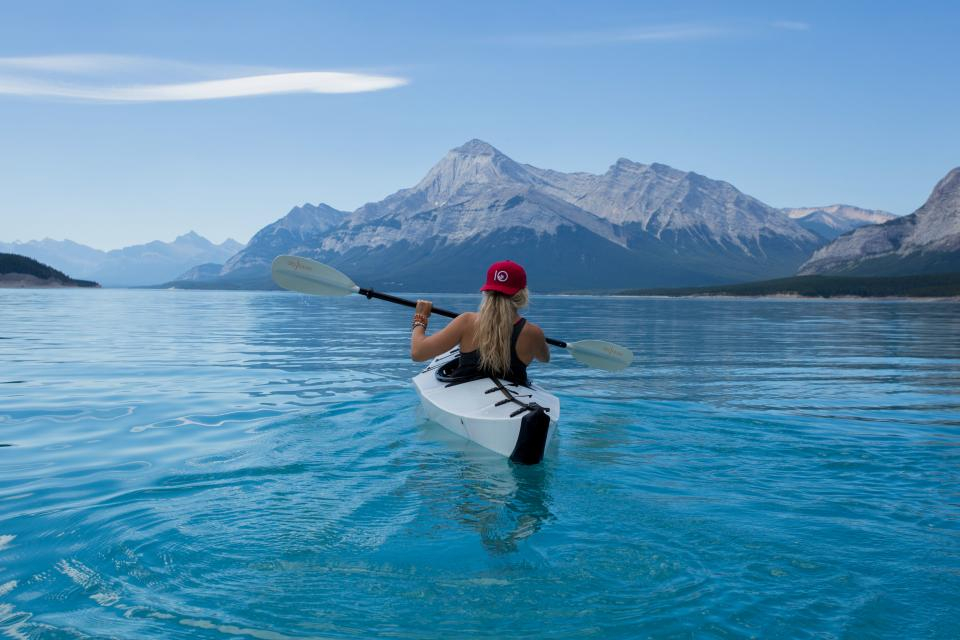
Photo: Kalen Emsley, StockSnap (public domain).
General information, not medical advice.
Related on Steroids Canada