SARMs suppress natural testosterone, so recovery after stopping is a real question. Many people recover on their own within weeks to a few months, but recovery depends on the compound, amount and length of use. Blood tests, not guesswork, show whether help is needed.
- Test testosterone, LH and FSH before starting and after stopping.
- Low libido, fatigue and low mood after stopping can mean slow recovery.
- Doctors can use medicines such as clomiphene or tamoxifen when recovery stalls.
SARMs were once marketed as not needing “PCT” (post-cycle therapy). Clinical trials show otherwise: they do lower testosterone. Whether someone needs help afterwards depends on how deep that suppression went. Here is how to tell.
How SARMs suppress testosterone
Your testosterone is controlled by a feedback loop called the HPG axis. The hypothalamus signals the pituitary, which releases LH and FSH. LH tells the testes to make testosterone; FSH supports sperm production. When the brain senses strong androgen activity, from testosterone or anything acting on the androgen receptor, it turns LH and FSH down.
SARMs activate the androgen receptor, so the brain responds the same way. In trials, ostarine and LGD-4033 lowered testosterone, LH, FSH and SHBG in proportion to dose. See how long SARMs were studied.
What affects recovery
| Factor | Effect on recovery |
|---|---|
| Compound | LGD-4033 and RAD-140 are generally considered more suppressive than ostarine |
| Amount | Higher amounts, deeper suppression |
| Length of use | Longer use, slower recovery |
| Stacking | Combining compounds adds suppression |
| Age and baseline | Older men and those with low baseline testosterone recover more slowly |
| Product quality | Mislabelled products may contain steroids, causing unexpected suppression |
Signs of slow recovery
- Low libido or erectile problems
- Fatigue and poor sleep
- Low mood, irritability or anxiety
- Loss of strength and muscle beyond what water loss explains
- Hot flushes in some men
These symptoms in the weeks after stopping are common and usually temporary. If they last more than a couple of months, testing is worthwhile.
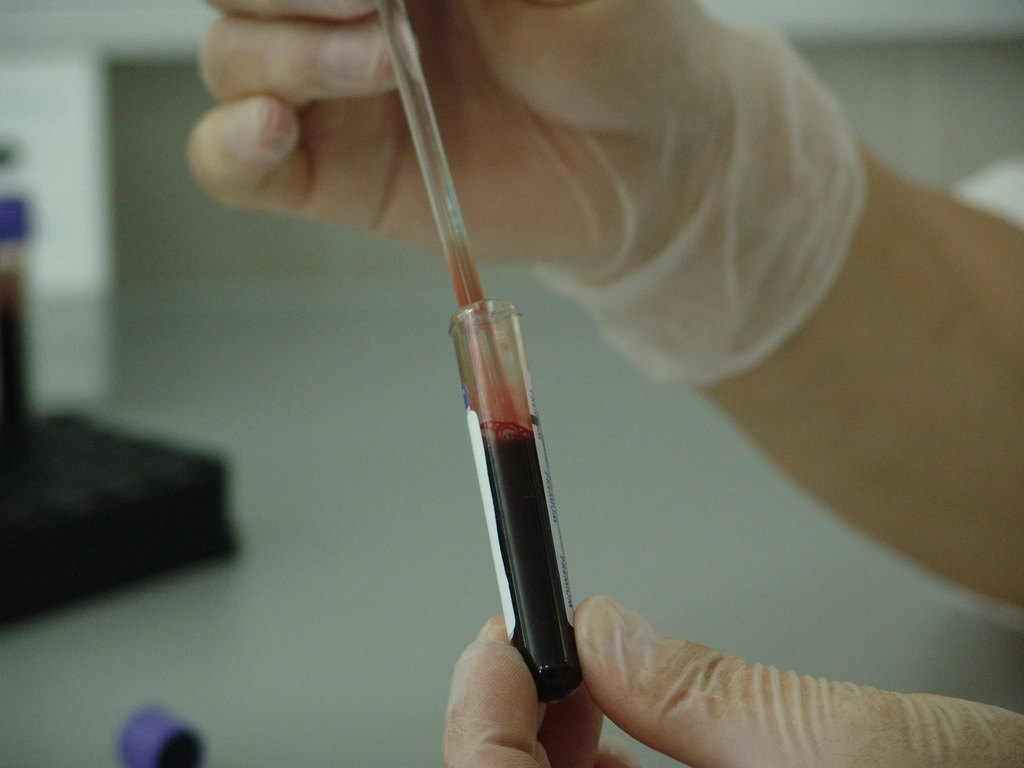
The blood tests
- Baseline before starting: total testosterone, LH, FSH, SHBG, estradiol. Without a baseline, it is hard to know what “recovered” means for you.
- Four to six weeks after stopping: repeat the same panel.
- If still low: repeat again after another four to six weeks, or see a doctor.
Test in the morning, before 10 a.m., when testosterone is highest. Your doctor can order these, or you can pay privately at LifeLabs or Dynacare; see our bloodwork guide.
How doctors support recovery
When testosterone stays low, doctors may use medicines that block estrogen’s feedback at the brain, which raises LH and FSH:
- Clomiphene (Clomid), used off-label in men
- Tamoxifen (Nolvadex), also used off-label; see our Nolvadex guide
- hCG, which mimics LH and stimulates the testes directly, in some cases
The choice and dose depend on test results and should be guided by a doctor. Self-prescribing these medicines without testing can cause its own problems, including mood and vision side effects with clomiphene.
Estrogen during recovery
Recovery is not only about testosterone. As natural production restarts, the balance between testosterone and estradiol can swing. Some men notice nipple sensitivity or mood changes in this period. Testing estradiol along with testosterone makes these symptoms easier to understand, and helps a doctor decide whether any treatment is needed. Taking aromatase inhibitors without testing can push estradiol too low, which itself causes low libido, joint aches and low mood. See our estrogen guide.
Supporting recovery naturally
- Sleep seven to nine hours; sleep loss lowers testosterone.
- Keep training, but reduce volume if fatigue is high.
- Eat enough; a big calorie deficit slows recovery.
- Limit alcohol.
- Manage stress and check for sleep apnea if you snore heavily.
When to see a doctor
- Testosterone still below the normal range two to three months after stopping
- Symptoms of low testosterone that affect work, relationships or mood
- Breast tenderness or a lump behind the nipple
- Plans to have children in the next year
Be open with your doctor about what you used; it changes how results are read. In Canada, some men’s health and sexual health clinics see these issues often and can be a good first stop if your family doctor is not available.
Fertility
FSH suppression reduces sperm production. Anyone planning children should get a semen analysis before and after use, and talk to a doctor. Sperm production takes about three months to cycle through, so recovery is slower than for testosterone.
Frequently asked questions
Do you need PCT after SARMs?
Not always. Many people recover on their own, but SARMs do suppress testosterone. Blood tests after stopping show whether help is needed.
How long does testosterone take to recover after SARMs?
Often weeks to a few months, depending on the compound, amount, length of use and individual factors.
Which blood tests show recovery?
Morning total testosterone, LH and FSH, compared with your baseline before starting.
Photo: rawpixel (public domain).
General information, not medical advice. SARMs are not approved for human use in Canada. See a doctor about persistent symptoms of low testosterone.
Related on Steroids Canada