
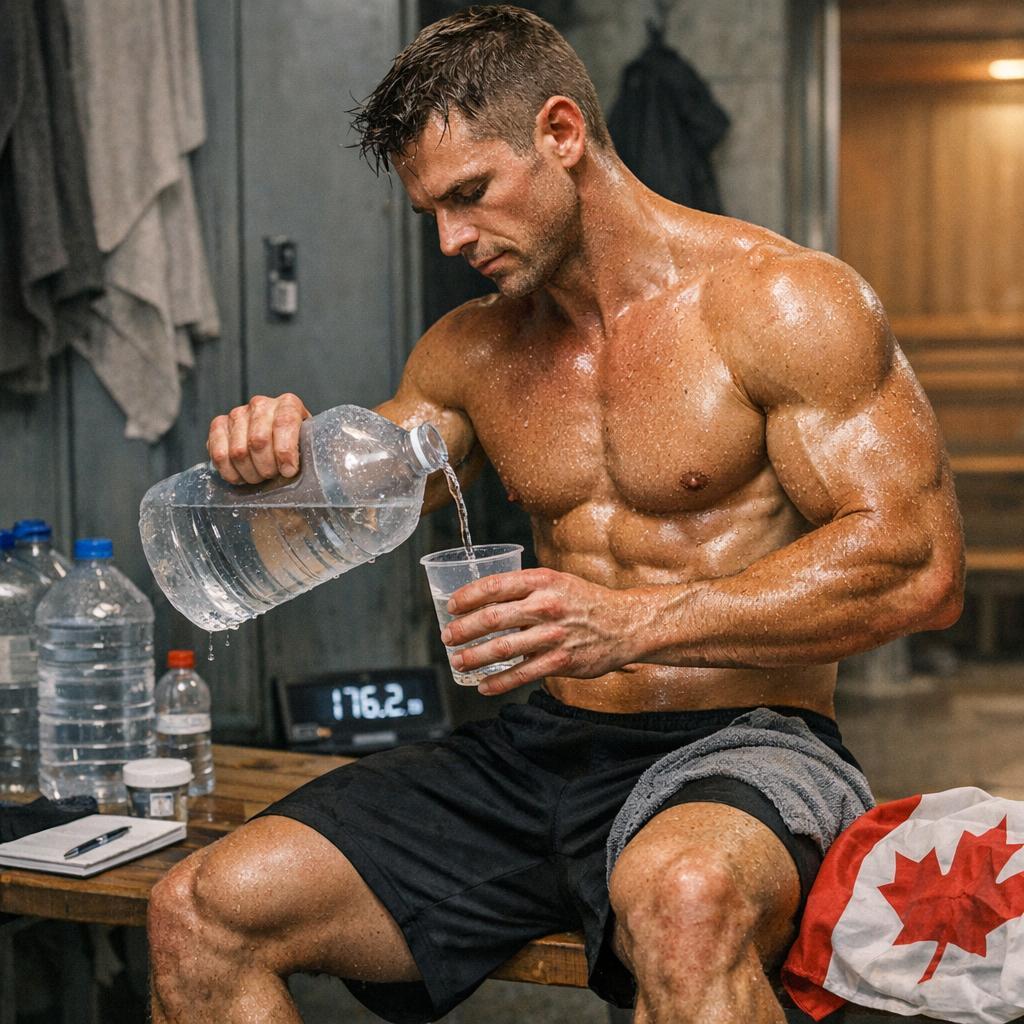
From national-stage competitions to local meets, how you manage water can determine whether your performance plateaus or peaks. This guide shows Canadian athletes, coaches, and parents how to use water manipulation strategies safely, ethically, and in full alignment with Canadian standards—so you can compete confidently without putting health on the line.
Understanding Water Manipulation in Canadian Sport
Water manipulation—sometimes called “water cutting” or “fluid cycling”—is a strategy used to temporarily adjust body water levels around competition or weigh-ins. In Canada, this is especially common in weight-class and physique-based sports, where every kilogram counts.
Done correctly, it can definitely help athletes meet class requirements and fine-tune appearance without compromising long-term health.Done poorly, it can lead to serious issues, including dehydration, electrolyte imbalances, and poor in-competition performance—exactly what you are trying to avoid.
This article focuses on safe, practical water manipulation practices tailored to Canadian competitors. You will learn how to align your strategy with:
• canadian climate realities (seasonal extremes and travel across provinces)
• Canadian regulatory expectations, including sport organization policies and medical guidance
• Evidence-informed principles rather than risky “bro-science” shortcuts
Why a Safety-First Approach Matters in Canada
Canadian athletes often deal with long travel days, time-zone changes, and fluctuating temperatures—from humid Ontario summers to dry Prairie winters. These factors can magnify the risks of aggressive water manipulation and make “copy-paste” plans from other countries unreliable.
A structured, conservative approach helps you stay within safe limits while still reaching your competitive goals.The focus is on predictable, repeatable methods you can test well before show day or weigh-in, not last-minute gambles that could derail months of preparation.
Water manipulation should never replace solid nutrition, conditioning, or proper periodization. If you require extreme fluid loss to make a category, you are likely in the wrong class. Always consult a qualified Canadian healthcare professional (sports medicine physician, registered dietitian, or CSCS-certified coach) before implementing any advanced protocol.
Who This Guide Is For
This resource is designed for competitors and support teams across Canada who wont to prioritize both performance and well-being, including:
- Weight-class athletes (MMA, boxing, wrestling, powerlifting, Olympic weightlifting)
- Physique and bodybuilding competitors preparing for shows across Canadian federations
- Coaches, trainers, and team leads who need a safer framework for guiding athletes
- Parents of youth athletes who want to stay alert to unsafe cutting practices 💪
Throughout this article,you will see clear,step-by-step considerations for planning,monitoring,and adjusting water strategies in line with Canadian norms and medical common sense.The goal is simple: help you compete at your best, while treating health as non-negotiable.
Plan and test your water manipulation strategy at least 4–6 weeks before your event using “mock peak weeks” or trial weigh-ins.This gives you time to refine your approach, understand how your body responds, and avoid surprises when it matters most.
🍁 100% Canadian · Trusted Since 2003 · Domestic Shipping Only
Start Building a Safer Water Strategy Today
As you read through this guide, keep a notebook nearby, adapt the principles to your sport, and discuss them with your Canadian coaching or medical team. The most successful athletes are the ones who prepare early, test carefully, and treat safety as their most valuable performance asset. ✅
Dial in your conditioning without flirting with dangerous dehydration. This approach blends physique-focused water strategies with Canadian health standards so you can walk on stage sharp, confident, and fully compliant with your federation’s rules.
Smart fluid planning starts with understanding that your body is not a tap you can simply “turn off” the night before a show. Water balance is tightly regulated by hormones, kidney function, and electrolyte gradients, and aggressive restriction can quickly slide into hyponatremia, low blood pressure, and cardiac stress that violate both Health Canada guidance and most canadian federations’ welfare policies. Instead of extreme cuts, focus on a week-long glide path where you slightly elevate water early in the week, maintain adequate sodium and potassium, and than make only modest, time-limited adjustments in the final 24–36 hours—always cross-checking with your federation’s rulebook and avoiding banned diuretics or unsafe “drying” practices.
Before you attempt any of this,anchor yourself with a realistic baseline. Track two to three “normal” training days where you log total water intake, urine color, morning bodyweight, and how you feel during sessions; this becomes your comparison point for peak week changes. If you have a history of kidney disease, heart issues, uncontrolled high blood pressure, eating disorders, or are taking medications like diuretics or ssris, you fall into a higher-risk category and should clear any manipulation with a Canadian physician or sports medicine clinic first. From there,you can shape a conservative plan that respects your health,honours Canadian safety standards,and still lets your physique pop under the stage lights.
Cut To The Chase
As you fine‑tune water manipulation for competition, remember that the real victory isn’t just on the platform or the stage—it’s in protecting your long‑term health while performing at your absolute best.
Bringing It All Together: Performance, Health & Compliance
Safe water manipulation in Canada is about precision, not punishment. When you plan ahead, follow evidence‑informed strategies, and respect your own limits, you can peak confidently without risking your kidneys, heart, or long‑term performance potential.
Use this article as a practical reference, especially in the final 7–10 days before competition. Treat your protocol like any other part of your prep—structured, measured, and adjusted based on real feedback from your body and your health‑care team.
Before your next meet, show, or weigh‑in, make sure you:
- Plan your water and sodium strategy at least 2–3 weeks in advance, not the final 48 hours.
- Use bodyweight,urine colour,blood pressure,and mood as simple daily checkpoints.
- Consult a Canadian physician, dietitian, or sport‑med professional if you have any medical conditions or are on prescription medications.
- Document your protocol and results so you can refine safely from competition to competition.
- Prioritize hydration recovery immediately after weigh‑ins or stage time to protect long‑term health.
Extreme dehydration, diuretics without medical oversight, or copying “pro” protocols you find online can be dangerous—and in many Canadian federations, non‑compliant with anti‑doping or safety standards. When in doubt, choose the more conservative option and seek guidance from a regulated Canadian health professional who understands your sport.
Your Competitive Edge: Smart, Safe, and Enduring
The athletes who last the longest—and climb the highest levels in Canada’s competitive scene—are the ones who take recovery, health, and compliance as seriously as training and posing. Water manipulation is just one tool in your toolbox, and it should work with your plan, not against your well‑being.
- Use structured testing phases in the off‑season to learn what your body tolerates.
- keep a written log of fluid intake, electrolytes, and performance outcomes.
- Align your protocol with the rules of your federation and Canadian anti‑doping guidelines.
Treat each competition like a controlled experiment. After the event,review your log and rate—on a simple 1–10 scale—your energy,appearance,cramping,digestion,and mental clarity. Over 2–3 Canadian competition seasons, this reflective approach can give you a safer, highly customized protocol that outperforms any “one‑size‑fits‑all” water cut you find online. 💪
🍁 100% Canadian · Trusted Since 2003 · Domestic Shipping Only
Next Steps: Turn Knowledge into a Safer Peak
Now is the ideal time to translate these guidelines into a concrete,competition‑ready hydration plan that fits Canadian conditions,venues,and regulations. Whether you compete locally or on a national stage, small, smart adjustments to your water strategy can yield major payoffs in performance and physique—without gambling with your health.
- Save this guide and revisit it before every meet or show.
- Customize the timelines and volumes to your body weight, division, and federation rules.
- Share safe practices with teammates and training partners to raise the standard across your community.
Ready to Peak Smarter,Not harder?
Use these Canadian‑focused water manipulation principles to design a safer,evidence‑aligned competition protocol—then review it with a qualified Canadian health professional before your next event. Your best performance comes when preparation, safety, and confidence all line up.✅
🔗 Related on Steroids Canada