
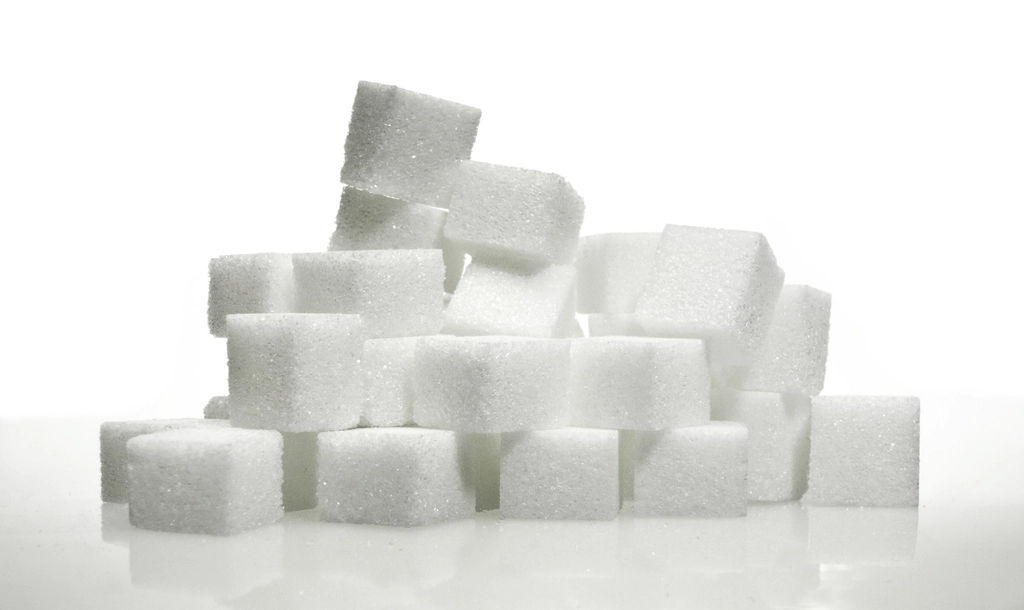
Reducing added sugar is one of the simplest ways to cut calories and improve health. Sugar is not uniquely fattening, but sugary foods and drinks are easy to overeat. Cravings usually fade within a couple of weeks of cutting back, especially if you eat enough protein and fibre.
- The WHO suggests keeping free sugars under 10% of calories, ideally under 5%.
- Sugary drinks are the largest source of added sugar for many Canadians.
- Gradual reduction works better than an extreme “detox”.
“Sugar detox” programmes promise to reset your taste buds in days. The real process is less dramatic but more lasting: reduce the main sources, make good swaps, and give your palate time to adjust. Here is how.
What counts as added sugar
Added or “free” sugars include table sugar, honey, maple syrup, corn syrup, agave and fruit juice concentrates, plus sugars in fruit juice. Sugars naturally present in whole fruit, vegetables and plain milk are not counted, because they come with fibre, water and nutrients.
Since 2022, Canadian food labels group all sugar-based ingredients together in the ingredient list, making it easier to see how much is added. The Nutrition Facts table shows total sugars with a % Daily Value based on 100 g a day.
How much is too much
Where sugar hides
| Item | Approximate sugar |
|---|---|
| Regular pop (355 ml can) | About 35–40 g |
| Large flavoured iced coffee | 40–80 g |
| Flavoured yogurt (175 g) | 15–25 g |
| Granola (½ cup) | 10–15 g |
| Ketchup or barbecue sauce (2 tbsp) | 7–12 g |
| Fruit juice (250 ml) | About 25 g |
| Doughnut or muffin | 15–35 g |
Why sugar cravings happen
- Habit and cues: afternoon coffee runs, dessert after dinner, sweets at work.
- Reward: sweet foods trigger dopamine release, reinforcing the habit.
- Hunger: skipping meals or eating too little protein leads to strong cravings later.
- Poor sleep: raises hunger hormones and preference for sweet, high-calorie foods.
- Stress: see managing stress eating.
“Sugar addiction” in the clinical sense is debated, but the habit and reward patterns are real.
A practical plan
- Start with drinks: swap pop and juice for water, sparkling water or diet versions; reduce sugar in coffee gradually.
- Fix breakfast: protein-rich options such as eggs or Greek yogurt with fruit reduce cravings later in the day.
- Read labels on yogurt, cereal, sauces and granola; choose plain and add your own fruit.
- Keep sweets out of sight at home and at work.
- Plan treats rather than banning them; a small dessert a few times a week is fine.
- Sleep seven to nine hours.
- Give it two to three weeks. Studies show preference for sweetness drops when intake falls.
Sweeteners
Health Canada has approved several low-calorie sweeteners, including sucralose, aspartame, stevia and erythritol, as safe within acceptable daily intakes. Diet drinks can help people cut calories when replacing sugary drinks. Some evidence questions their long-term effect on appetite, so water remains the best default.
Sugar and training
For active people, some sugar has a place. Sports drinks, gels or fruit during long or intense sessions help performance, and a little sugar after hard training helps refill glycogen. The goal is to cut back on sugar from habit and convenience, not to fear it in every context. Active people who train hard can usually fit some sugar into their day, as long as overall calories fit their goals.
Fruit is not the problem
Whole fruit is linked with lower weight gain over time in large studies, thanks to fibre and water. Berries, apples and pears are excellent swaps for sweets. Juice and dried fruit are easier to overconsume.
Withdrawal symptoms?
Some people notice irritability, headaches or low energy in the first days, often more related to caffeine in sugary coffee drinks or to eating less overall. Eating regular, protein-rich meals and staying hydrated helps.
Related guides
Balancing blood sugar, fibre for fullness and mindful eating.
Frequently asked questions
How long does it take to stop craving sugar?
For many people, cravings ease noticeably within two to three weeks of cutting back.
How much sugar is okay per day?
The WHO suggests under 10% of calories from free sugars, about 50 g on a 2,000-calorie diet, ideally under 25 g.
Is fruit bad when cutting sugar?
No. Whole fruit contains fibre and water and is linked with healthier weight. Limit juice instead.
Photo: rawpixel (public domain).
General information, not medical advice.
Related on Steroids Canada