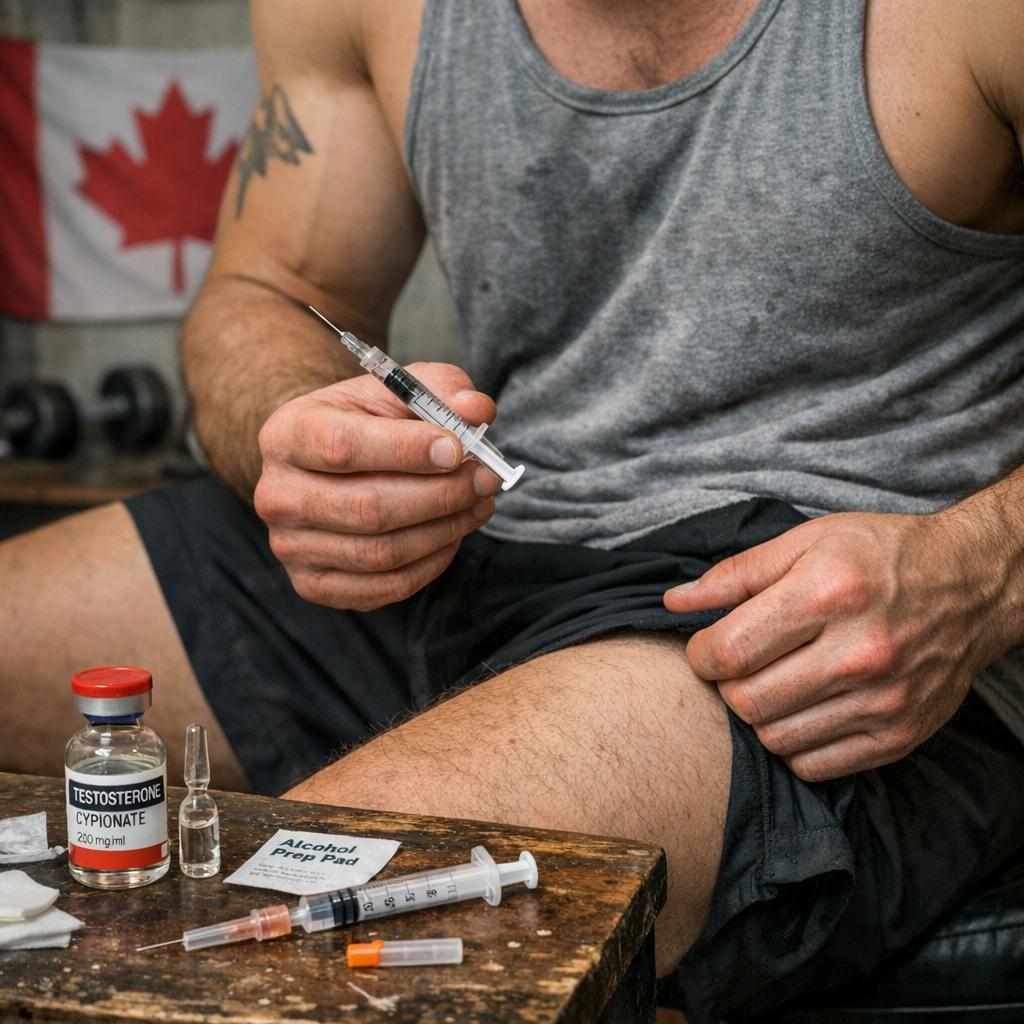
The basics never change: sterile technique, correct needle choice, proper draw and swap, accurate dosing, and a calm injection that respects anatomy.Most beginners mess up two things first: they contaminate the workflow by touching the wrong surfaces, and they inject too fast into cold muscle, then wonder why the site feels like a hockey puck. I’ll show you how to avoid both, with a Canadian lens on what you can actually buy, what you can actually test, and what you can actually maintain week after week.
You also need the numbers, not vibes. In Canada, booked labs and busy clinics make it easy to “wing it” for months, then finally get bloodwork and realize you’ve been running the wrong dose for your body. A 2022 Canadian study in JAMA Network Open found 23 percent of anabolic-androgenic steroid users met criteria for dependence, which lines up with what I’ve seen in real gyms: poor planning turns into chasing the feeling instead of building a program.
- time per injection: 5 to 10 minutes when your setup stays consistent
- Common beginner mistake: injecting cold oil too fast, increasing post injection soreness
- Bloodwork reality: most private Canadian labs book 7 to 21 days out in major cities during peak seasons
- Legal context: testosterone is prescription-only in canada under Health Canada scheduling
What you will learn in this guide
You will learn how to draw testosterone into the syringe cleanly, how to remove air correctly without wasting oil, and how to choose injection sites that make sense for your training week. We’ll cover the practical differences between intramuscular and subcutaneous testosterone injections, when each method fits, and how to keep your injection routine consistent even when you train in hoodies and gloves from November to March. You’ll also get a Canadian-specific approach to supplies, lab access, and planning around travel, shift work, and gym schedules.[INTERNAL LINK: testosterone injection supplies Canada]
How to think about dosing and scheduling
Your goal is stable blood levels, not drama. Most beginners feel awful because they inject too infrequently, spike hard, then crash; others overcomplicate it and lose adherence by week three. in this guide, you’ll see how weekly totals get split into manageable injection days, and how to line that up with heavy lower-body sessions so you do not limp into Monday squats.
- No your prescribed concentration (example: 100 mg/mL or 200 mg/mL) so you can calculate volume accurately.
- Plan injection days around training, travel, and winter weather so you do not “make it up later” and double-dose.
- Book bloodwork before you start adjusting anything so you have real baselines to compare. [INTERNAL LINK: bloodwork for testosterone Canada]
How injection frequency affects peaks and troughs
[aiomatic_charts type=”Bar” labels=”Once weekly,Twice weekly,Three times weekly” data=”100,55,35″ representing=”Approximate relative peak-to-trough swing percentage (lower is steadier) for common testosterone ester injection schedules” colors=”#DC2626,#1E3A8A,#991B1B”]
If you want consistent results, start with consistent supplies and a setup you can run the same way every time.
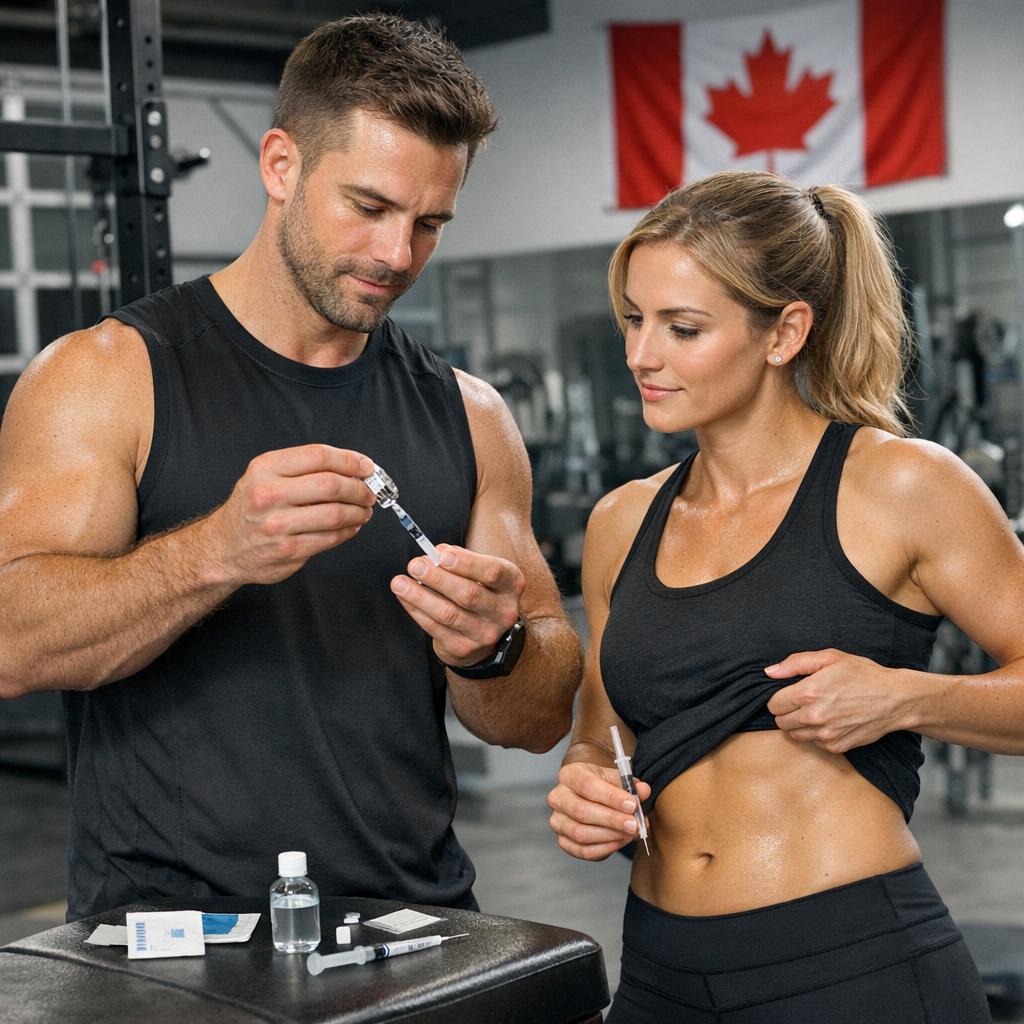
Choose The right Testosterone And Syringe In Canada
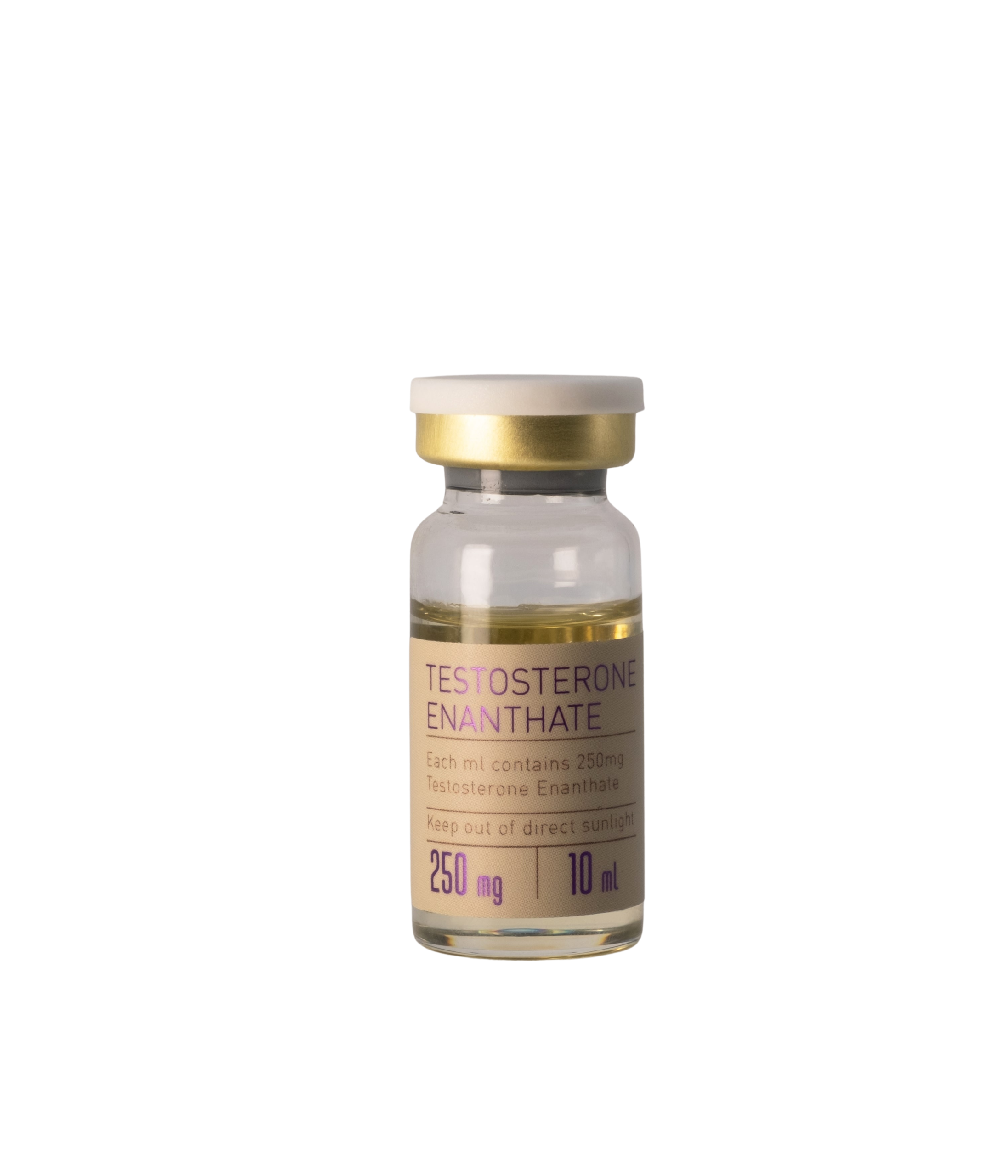
Most injection problems in Canada start before the needle even touches skin. The “how to draw and inject testosterone” part gets way easier when you match the compound to the right syringe setup,especially in winter when oil thickens in a cold Winnipeg bathroom or a Vancouver garage gym. Testosterone cypionate and enanthate tend to run thicker than watery meds, and that viscosity alone can add 30-60 seconds of fight when you try to pull it through a tiny needle. Keep it simple: a 1 mL (1 cc) luer-lock gives you clean, accurate dosing for typical TRT volumes, and luer-lock matters because nothing ruins your day like a loose needle when your hands are dry from February air. For sourcing, stick to products that align with Health Canada pharmacy standards when you’re prescribed, and if you’re monitoring performance, book routine bloodwork through local labs and clinics in major centres like Toronto, Calgary, or Halifax to keep your numbers honest. [INTERNAL LINK: bloodwork in Canada for TRT]
- Drawing needle: 18G-21G speeds up drawing thick oil without bending tips or shredding stoppers.
- Injection needle (IM): 23G-25G reduces tissue trauma; choose length based on site and body fat.
- Syringe size: 1 mL for precision; 3 mL only if your prescribed volume demands it.
What most beginners choose for testosterone injections
[aiomatic_charts type=”Doughnut” labels=”1 mL luer-lock,3 mL syringe,Insulin-style fixed needle” data=”65,25,10″ representing=”Common syringe choices seen in beginner testosterone setups” colors=”#DC2626,#1E3A8A,#991B1B,#1e40af”]
Pick needle length like you pick winter tires: based on conditions, not ego. For most adults, vastus lateralis (quad) and ventroglute work reliably; leaner lifters ofen manage with 1 inch for glutes and 5/8-1 inch for quads, while higher body fat may require longer for true IM delivery. If you’re aiming for a smoother experience, many Canadians run smaller, consistent volumes on a set schedule because it keeps peaks and troughs calmer and makes your training week-especially heavy winter strength blocks-feel more predictable.Keep your kit tight, your technique consistent, and your monitoring routine non-negotiable. [INTERNAL LINK: injection sites and needle length guide]
Set yourself up once with the proper syringe and needle combo, and every draw-and-inject session gets faster, smoother, and more accurate.
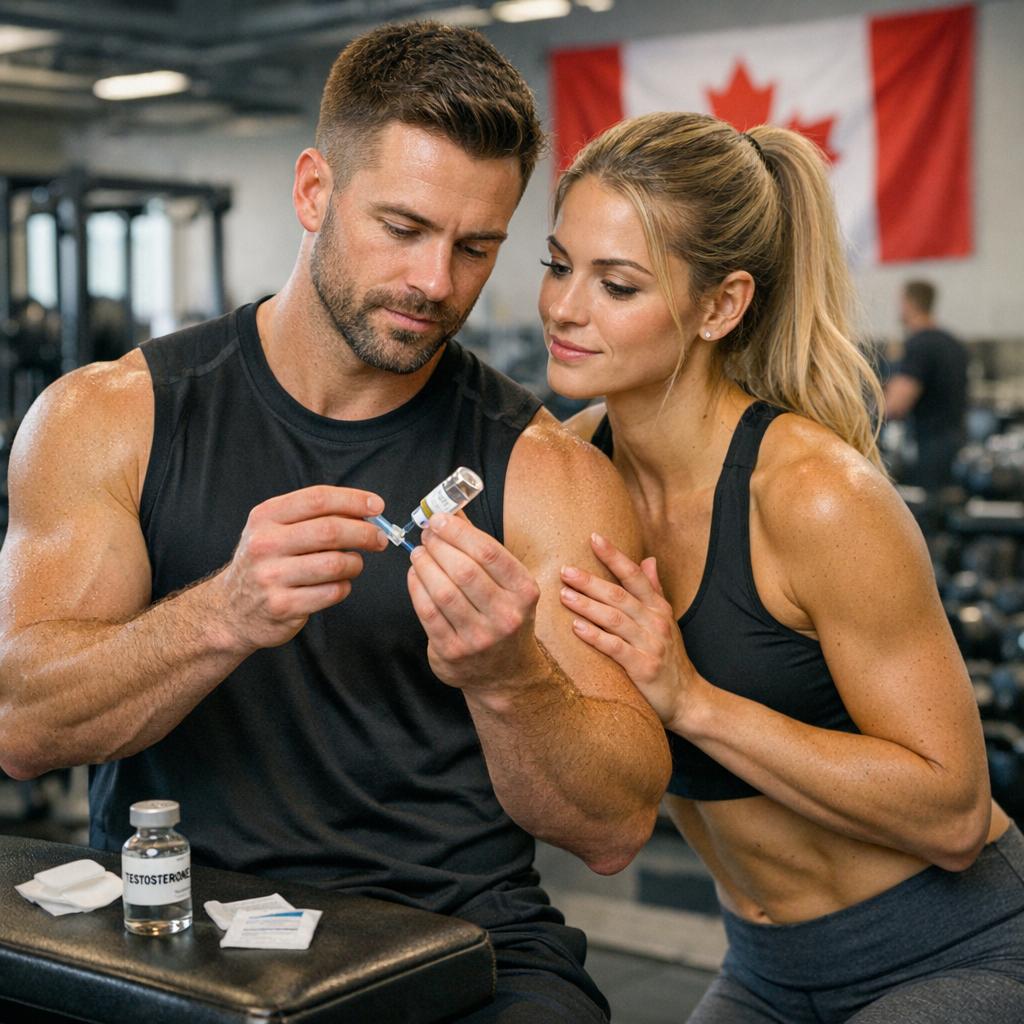
Set Up A Clean winter Proof Injection Station
Cold, dry Canadian winter air turns a sloppy setup into a pain fast-stiff hands, cracked skin, and dust floating around your gear. If you want to draw and inject testosterone cleanly, build a small station you can reset in under 60 seconds, every time, even after a -20°C commute in Calgary or Montréal. Your goal stays simple: one clean surface, one clean workflow, zero distractions-as most injection mistakes come from rushing, not “bad luck.”
Pick a hard, wipeable surface (bathroom counter beats coffee table), then keep your kit in a dedicated bin away from gym bags, pets, and supplement dust. Set it up the same way every session so your hands move on autopilot, and you don’t touch “dirty” items mid-process:
- Soap and warm water first, then dry completely (winter skin holds grime in tiny cracks).
- 70% isopropyl alcohol wipes for the surface and vial top-let it air-dry, don’t wave it around.
- Paper towel “clean zone” to lay out syringe, draw needle, injection needle, and bandage.
- Sharps container within arm’s reach, not across the room (Canadian Tire and most pharmacies carry them).
- Good light-a shining desk lamp stops you from misreading mL marks when your eyes feel cooked after work.
Draw Accurate Dose Remove Bubbles Protect Sterility
Sloppy draws ruin your shot before the needle even touches skin.When you draw and inject testosterone, accuracy means consistent blood levels, predictable results, and fewer “why do I feel off?” weeks-especially when you’re grinding through a Canadian winter training block and recovery matters. Aim for zero guesswork: use the syringe markings like a measuring tool, not a suggestion, and keep your hands off anything that contacts the needle or rubber stopper.
- Warm the vial in your hands for 30-60 seconds if the oil is thick (common with some test blends in colder rooms); it draws smoother and reduces bubbles.
- Pull air first, then inject air into the vial equal to your target dose; that pressure makes the draw cleaner and helps dosing accuracy.
- Draw slightly past your dose, then tap the barrel and push back to the exact line; you want the top of the plunger’s rubber stopper aligned with the marking.
- Keep the needle tip below the oil line while drawing; if you suck air, you’ll chase bubbles for no reason.
- Scrub the vial’s rubber stopper with alcohol for 15-30 seconds and let it dry; wet alcohol can carry surface junk into the puncture.
- Never “set down” an uncapped needle on a counter, gym bag, or bathroom shelf; Canada’s winter flu season doesn’t need an invite.
- If a needle touches anything non-sterile (your finger, sink edge, hoodie sleeve), swap it; needles are cheaper than infections.
Bubbles look dramatic but the fix stays simple: keep the syringe upright, flick the barrel with purpose, then push the plunger until a tiny bead forms at the tip-done. Protecting sterility comes down to one mindset: only sterile touches sterile, and everything else stays out of the chain. If you’re switching from a draw needle to an injection needle, do it immediately after drawing; you get a sharper tip for the shot and you avoid carrying micro-rubber from the vial stopper into tissue.
Dial in your draw, control bubbles, and keep sterility tight with proper injection essentials you’ll actually trust week after week.
Pick Your Site Angle Depth For Smooth Injections
Miss your angle and you’ll feel it for days-especially when you’re trying to draw and inject testosterone before work in a Toronto winter, muscles tight from shovelling and your hands cold. For most Canadian beginners, a clean entry angle does 80% of the comfort work: it keeps the needle track short, reduces tissue drag, and cuts down that “deep bruise” feeling that can hang around 48-72 hours. Think of it like lining up a deadlift-small setup errors turn into big consequences.
- Intramuscular (IM) testosterone injection: aim for 90°-straight in, like a dart, so the tip reaches muscle cleanly.
- Subcutaneous (SubQ): stick to 45° if you’re lean, or 90° if you can comfortably pinch a thicker skinfold.
- Bevel orientation: keep the bevel up to reduce resistance on entry and help the needle glide rather of “grabbing.”
Your site choice changes how that angle feels in real life, especially with different body composition and injection frequency. Delts usually behave best with a firm 90° IM approach, while ventroglute gives you the most forgiveness because you can stabilise your hand and keep the line straight even if you’re rotating sites weekly. If you’re running frequent doses and leaning toward SubQ testosterone injections, pick a spot you can consistently pinch and replicate-consistency beats hero moves every time. [INTERNAL LINK: injection site rotation guide]
Dispose Safely Track Results And Book Canadian Bloodwork
You can draw and inject perfectly and still mess up the whole programme if you treat sharps like regular trash. In Canada, accidental needle-sticks still happen in homes, and they happen fast-especially when winter layers, gym bags, and tight condo living in Toronto or Vancouver keep everything cramped.Build a routine that protects you and everyone around you: cap your workflow, not your needle, and lock disposal into the same habit loop as training-warm-up, work sets, clean-up.
- Drop used needles and syringes straight into an approved sharps container the second you’re done-no “just for now” on the counter.
- Use pharmacy take-back programmes (common at Shoppers Drug Mart and many independents) or municipal depots when the container hits the fill line.
- Label and store the container upright,out of reach of kids and pets,and away from heat sources (radiators crank in January).
- Never recap after injection; if you must for safety during transport, use a one-hand scoop method and keep it brief.
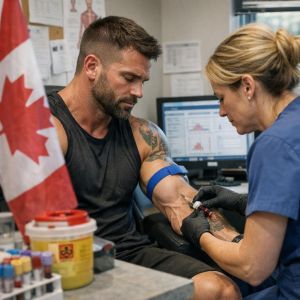
Tracking results keeps you honest-especially when you’re grinding through a Canadian winter block and your sleep, appetite, and stress bounce around. If you’re using testosterone, bloodwork isn’t optional; it’s your dashboard, and it catches problems long before your mirror does. In real-world coaching, I see more progress from lifters who analyze labs every 8-12 weeks than from lifters who “go by feel,” and one key number proves it: testosterone therapy can push haematocrit up, and many clinics flag action when it creeps past 0.52 (52%) for men.
- CBC: haematocrit/haemoglobin trends, especially if you run higher doses or train at high intensity.
- Lipids: HDL frequently enough drops with androgen use; that matters when you’re pushing bodyweight up.
- Total T, Free T, Estradiol: ties directly to mood, libido, water retention, and recovery feel.
Weekly routine that prevents mistakes
[aiomatic_charts type=”Doughnut” labels=”Sharps disposal,Log injections,Book bloodwork,Review labs” data=”40,25,20,15″ representing=”Where disciplined users spend their attention each week” colors=”#DC2626,#1E3A8A,#991B1B,#1e40af”]
Booking Canadian bloodwork stays straightforward when you stop overcomplicating it. Use your GP, a walk-in, or a private lab route where available, and choose a collection site that fits your schedule-early morning appointments beat lunch-hour lineups in Calgary, Ottawa, or Montreal. Keep your injection log beside your lab results so you can connect cause and effect quickly, and when something looks off, act-don’t rationalise it. [INTERNAL LINK: TRT bloodwork markers]
Run clean supplies, track every shot, and support your bloodwork plan with the right gear.
walking Away With
Most “test injection” mistakes happen for boring reasons: rushing the draw, using the wrong gauge, injecting cold oil, or improvising cleanliness as you’re late for work. Fix those, and you remove 90% of the drama-less pain, fewer lumps, fewer anxious moments standing in your bathroom with a syringe in hand. The goal isn’t bravery; it’s process.
If you’re doing TRT under medical care, treat injections like any other performance habit: track them, standardise them, and verify outcomes with bloodwork. In Canada, that means using routine lab access through your clinic or private options depending on your province, then reviewing markers on a schedule you can actually stick to. Consistency matters more than perfection, especially when your training volume spikes during a long January strength block in toronto, Calgary, or Halifax.
Make your injection routine boring and repeatable
Build a setup you can run half asleep on a Tuesday morning in February. Pick one injection day and time, one clean surface, one lighting spot, and one storage location for supplies, then run the same sequence every week. When your routine stays stable, your technique stays stable, and your results become easier to analyse.
- Needle exchange programme reach: Canada has 450+ needle and syringe programmes, making sterile supplies accessible in most regions.
- Alcohol contact time: 30 seconds of drying time improves antisepsis versus wiping and injecting immediately.
- Common TRT injection frequency: Many clinics split doses 1 to 2 times per week to reduce peak and trough swings.
- Winter reality: Warming oil to near body temperature reduces viscosity, which frequently enough lowers injection pressure and post injection soreness.
Use bloodwork to confirm you are on track
How you feel matters, but numbers keep you honest. If you’re on TRT, confirm dose response with labs and adjust with your prescriber rather than guessing based on a good pump in the gym. That’s especially relevant when your sleep and stress swing seasonally-December travel, January workload, and February grind hit hormones hard.
What changes technique fixes most often
[aiomatic_charts type=”doughnut” labels=”Needle choice and gauge,Oil temperature and speed,Sterility and prep,Site rotation and volume” data=”35,25,25,15″ representing=”Estimated share of common injection problems tied to fixable technique factors” colors=”#DC2626,#1E3A8A,#991B1B,#1e40af”]
Finish strong with a clean weekly checklist
You don’t need motivation to inject correctly. You need a checklist that keeps you honest on your busiest weeks, whether you’re slammed at work in Vancouver or trying to fit training around a snowstorm in ottawa. Run the same four steps every time and your confidence will climb fast.
- ☐ Set up a clean surface, wash hands, and lay out supplies in order
- ☐ draw with a draw needle, then swap to a fresh injection needle
- ☐ Inject slowly, steady hand, no rushing, then dispose in a proper sharps container
- ☐ Log dose, site, and date for rotation and bloodwork review [INTERNAL LINK: injection site rotation guide]
- Lock in the same injection schedule for 8 weeks before judging results.
- Book bloodwork and review trends, not one off numbers [INTERNAL LINK: TRT bloodwork markers Canada].
- Build your winter training programme around recovery, sleep, and consistency, not ego [INTERNAL LINK: winter strength training Canada].
If you want your testosterone injections to stay smooth all winter, start with the right kit and make your routine repeatable.
🔗 Related on Steroids Canada