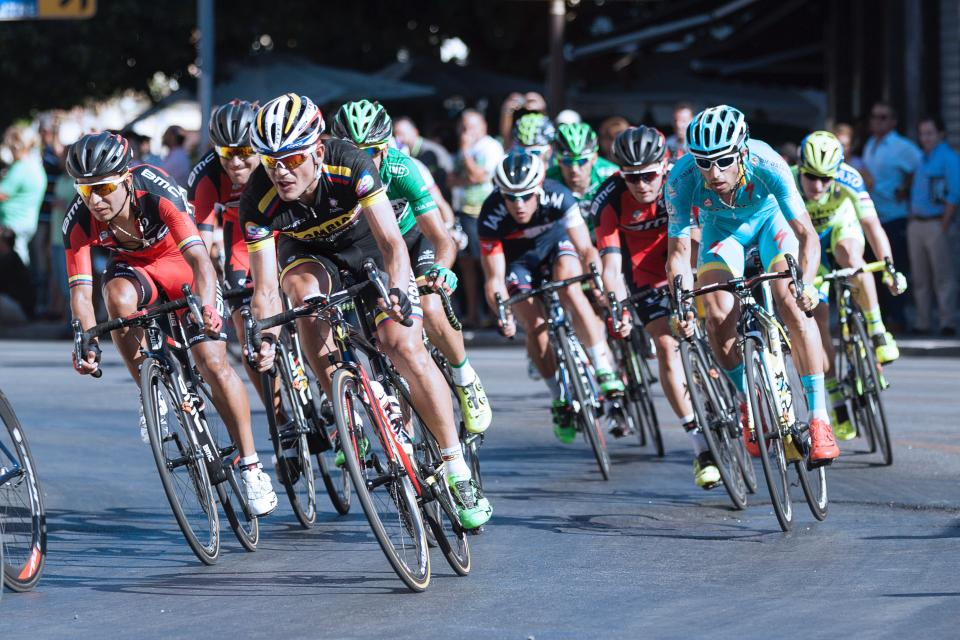
The Canadian Centre for Ethics in Sport (CCES) runs the Canadian Anti-Doping Program, which applies the World Anti-Doping Code to athletes in sports funded or recognized in Canada. Testing can happen in or out of competition, without notice, by urine or blood. Athletes are responsible for anything found in their sample, whatever its source.
- Anabolic steroids, SARMs and most peptides are banned at all times.
- Medications needed for a medical condition may require a therapeutic use exemption (TUE).
- An intentional anabolic steroid violation can bring a ban of up to four years.
If you compete in a sport with a national federation, from university track to provincial powerlifting, you may be subject to drug testing whether you think of yourself as an elite athlete or not. The rules are strict and the system is built so that ignorance is no defence. Here is how testing actually works in Canada.
Who runs testing and who can be tested
The CCES is an independent, not-for-profit organization that administers the Canadian Anti-Doping Program (CADP). The program follows the World Anti-Doping Code and the prohibited list published each year by the World Anti-Doping Agency, which is headquartered in Montreal. National sport organizations that adopt the CADP agree that their members can be tested.
That means a national team member, a varsity athlete, or a lifter at a federation meet that uses the CADP can all be selected. Some sports organizations and federations outside the CADP run their own testing, and many untested federations do not test at all. Check your federation’s rules before you assume you will not be tested.
How a sample is collected
- Notification. A doping control officer or chaperone notifies you in person. From that moment you must stay in their sight until you provide the sample.
- Reporting to the station. You go to the doping control station promptly, with photo identification. You can bring a representative.
- Choosing a kit. You select a sealed collection kit and check that it is intact.
- Providing urine. You give a sample under direct observation by an official of the same gender. A minimum volume is required.
- Splitting and sealing. The sample is divided into A and B bottles and sealed. You check the codes match.
- Paperwork. You declare recent medications and supplements on the form, review it and sign.
Blood samples follow a similar chain of custody, drawn by a trained phlebotomist. Samples are sent to a WADA-accredited laboratory, identified only by code numbers so the lab does not know whose sample it is.
Whereabouts and out-of-competition testing
The Dubin Inquiry showed that testing only at competitions is easy to beat. So athletes in a registered testing pool must file whereabouts information through WADA’s online system, including a daily one-hour window when they can be found for testing. Three missed tests or filing failures within twelve months count as a violation. Out-of-competition testing focuses on substances that are banned at all times, such as anabolic agents, peptide hormones and growth factors.
Testers increasingly use the Athlete Biological Passport, which tracks an athlete’s blood and steroid markers over time. A sudden shift in values can trigger targeted testing or a case even without finding a specific drug.
Therapeutic use exemptions
Athletes with a genuine medical need for a prohibited medication, such as testosterone for diagnosed hypogonadism, can apply for a therapeutic use exemption. A TUE is granted only when the medication is needed to treat a diagnosed condition, would not enhance performance beyond a return to normal health, and there is no reasonable permitted alternative.
The CCES and its partners also run Global DRO, an online tool where athletes can check whether a specific medication sold in Canada is prohibited. It is worth checking every prescription and over-the-counter product.
Results and penalties
| Situation | Typical consequence |
|---|---|
| Intentional use of an anabolic steroid | Up to 4 years ineligible |
| Non-intentional violation | Up to 2 years, possibly reduced |
| Proven contaminated product, no significant fault | Reduced sanction, from a reprimand upward |
| Three whereabouts failures in 12 months | Up to 2 years |
When the A sample is positive, the athlete is notified and can request analysis of the B sample. Cases go through a hearing process, and decisions can be appealed. Results also apply across sports: a ban from one federation means a ban from all sports that follow the Code.
Under strict liability, it does not matter how a banned substance got into your body. It only matters that it was there.
Supplements and accidental positives
Many positive tests come from supplements contaminated with steroids or stimulants that are not on the label. Products sold as “prohormones” or “SARMs” are prohibited outright. If you compete, use only supplements that have been batch-tested by a third-party program, keep a record of what you take, and keep a sample of each batch. Our article on prohormones and SARMs explains why these products cause so many violations.
If you do not compete in tested sport, none of this applies to you directly, but the same products can still affect your health. For general harm reduction, see our steroid safety guide.
- The CCES runs testing in Canadian sport under the World Anti-Doping Code.
- Testing can happen anytime, in or out of competition.
- Prescriptions are not enough: some need a therapeutic use exemption.
- Strict liability means contaminated supplements are your responsibility.
Frequently asked questions
Can I be tested if I only compete locally?
Possibly. If your sport’s national organization uses the Canadian Anti-Doping Program, members can be tested at events and, if in a testing pool, out of competition. Check your federation’s rules.
Is testosterone allowed if a doctor prescribed it?
Not automatically. Athletes need an approved therapeutic use exemption to use testosterone in sport, even with a valid prescription.
What is the B sample?
The second sealed part of your urine or blood sample. If the A sample is positive, you can ask for the B sample to be analyzed to confirm the result.
Top photo: Quino Al, StockSnap (public domain).
This article summarizes Canadian anti-doping rules in general terms and is not legal advice. Rules change; athletes should check the current Canadian Anti-Doping Program and their federation’s policies.
Related on Steroids Canada