
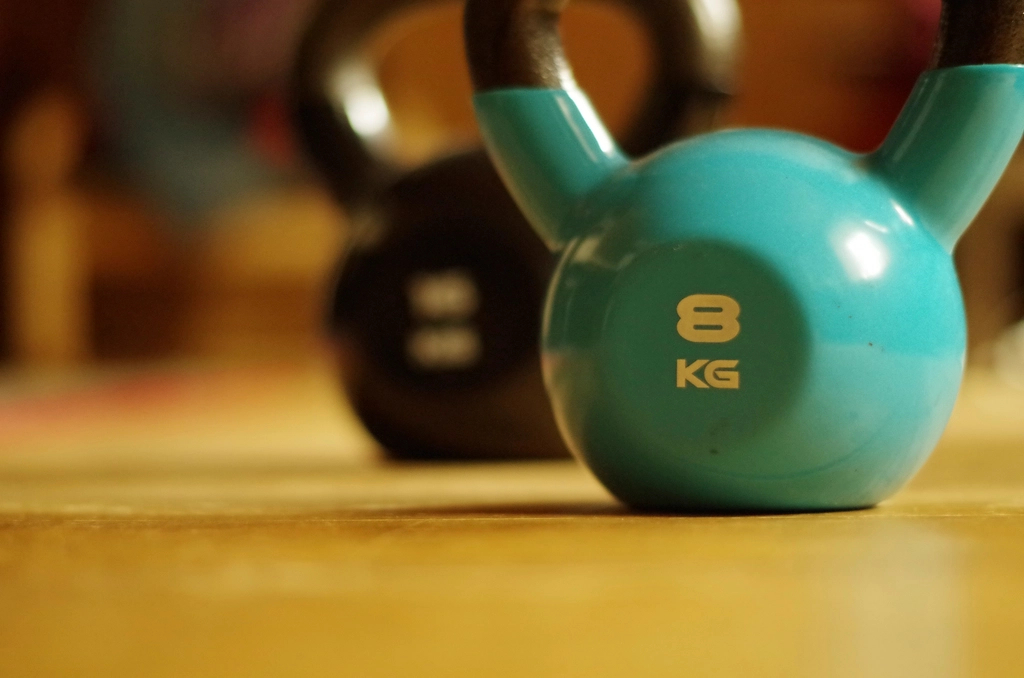
Body recomposition means losing fat and gaining muscle at the same time. It is most achievable for beginners, people returning after a break, people with higher body fat, and those using anabolic steroids. It needs a small deficit or maintenance calories, high protein and progressive strength training.
- Eat at maintenance or a small deficit, about 200–300 calories below.
- Protein at about 1.6–2.2 g per kilogram, or higher.
- Progress is slower to see on the scale; track waist, strength and photos.
The traditional advice was to bulk, then cut. Research now shows many people can do both at once, especially early in their training. Here is who benefits most and how to set it up.
Is recomposition possible?
Yes. A 2020 review by Barakat and colleagues in the Strength and Conditioning Journal found many studies in which participants gained lean mass while losing fat, including some trained individuals. A notable 2016 study by Longland and colleagues found young men eating a 40% calorie deficit with very high protein (2.4 g/kg) and intense training gained about 1.2 kg of lean mass while losing nearly 5 kg of fat over four weeks.
Who can recompose most easily
- Beginners: muscles respond strongly to a new training stimulus.
- People returning to training: “muscle memory” makes regaining lost muscle faster.
- People with higher body fat: stored energy supports muscle growth even in a deficit.
- People using anabolic steroids: these increase muscle protein synthesis, making recomposition much easier, at a health cost.
Lean, experienced lifters find recomposition slow and usually do better with distinct building and cutting phases.
Setting calories
Most people do best at maintenance or a small deficit of about 200–300 calories a day. A large deficit makes muscle gain much harder; a surplus adds fat. If you have a lot of fat to lose, a moderate deficit can still allow muscle gain as a beginner.
Protein
Protein is the cornerstone. Aim for 1.6–2.2 g per kilogram of body weight a day, and towards the higher end, or even 2.4 g/kg, when in a deficit. Spread it across three to five meals with about 0.4 g/kg each. See meal planning for muscle.
Training for recomposition
- Strength train three to five times a week, hitting each muscle group about twice.
- Focus on compound lifts: squats, deadlifts or hip hinges, presses, rows and pull-ups.
- Use progressive overload: add weight or reps over time.
- Keep most working sets within one to three reps of failure.
- Add moderate cardio and daily steps for heart health and calorie burn, without overdoing it.
Sleep and recovery
Muscle is built during recovery. Sleeping seven to nine hours supports testosterone, growth hormone and appetite control. Short sleep shifts weight loss towards muscle rather than fat. See sleep and recovery.
Tracking recomposition
Because fat loss and muscle gain cancel out on the scale, weight may stay almost the same for weeks. Track these instead:
- Waist circumference, which should fall
- Strength on main lifts, which should rise
- Progress photos every two to four weeks
- Arm, chest and thigh measurements, which may rise
- A DEXA scan every three to six months if you want precise data
See body composition vs scale weight.
Recomposition with performance drugs
Testosterone and other anabolic steroids make recomposition far easier, which is why physique changes in users can look dramatic. The health costs, including suppressed natural testosterone, cholesterol and blood pressure changes, remain. For men with medically diagnosed low testosterone, TRT can support recomposition under a doctor’s care. See fat loss on TRT.
A sample recomposition week
Three full-body strength sessions (Monday, Wednesday, Friday) built around squats, presses, rows, hip hinges and pull-ups; two 30–45 minute walks or easy bike rides; 8,000–10,000 steps daily; calories at or just below maintenance with protein at every meal; and seven to nine hours of sleep. Reassess every four weeks using waist, strength and photos, and only change one thing at a time.
When to switch to bulking or cutting
If you have been training consistently for a year or more, are already lean, and progress has stalled, a dedicated building phase with a small surplus will likely produce more muscle. If you have significant fat to lose and progress on the scale matters to you, a structured fat-loss phase may be more motivating. Recomposition works best as a starting approach or a reset between phases.
Frequently asked questions
Can you build muscle and lose fat at the same time?
Yes, especially if you are a beginner, returning to training, or have higher body fat. It requires high protein and progressive strength training.
How many calories should I eat for recomposition?
Maintenance or a small deficit of about 200–300 calories a day works for most people.
Why is my weight not changing on a recomp?
Fat loss and muscle gain cancel each other out on the scale. Track waist, strength and photos.
Photo: rawpixel (public domain).
General information, not medical advice.
Related on Steroids Canada