Branched-chain amino acids (BCAAs) are three of the amino acids found in protein: leucine, isoleucine and valine. They are popular for muscle growth and recovery, but research shows they work poorly on their own. If you eat enough protein, BCAAs add little.
- Muscle needs all nine essential amino acids to grow, not just three.
- Whey protein or food gives BCAAs plus everything else.
- Using steroids does not change this; total protein matters most.
BCAA drinks are a fixture in gyms, sipped through workouts in bright colours. The idea makes sense on paper, but the research has not been kind. Here is what is known and what to spend your money on instead.
What BCAAs are
Protein is made of 20 amino acids. Nine are essential, meaning your body cannot make them. Three of those, leucine, isoleucine and valine, have a branched chemical structure, hence the name. Leucine in particular acts as a signal that switches on muscle protein synthesis.
The theory
- Leucine triggers muscle building.
- BCAAs are used by muscle directly for fuel during exercise.
- They may reduce muscle breakdown and soreness.
What studies show
Leucine does switch on muscle protein synthesis, but building muscle requires all the essential amino acids as raw material. A 2017 review in the Journal of the International Society of Sports Nutrition by Wolfe concluded that BCAAs alone cannot support a meaningful increase in muscle protein synthesis because the other essential amino acids run out. A study comparing BCAAs with whey found whey produced a much larger response.
| Option | Contains all essential amino acids | Muscle-building response |
|---|---|---|
| BCAA drink | No (3 of 9) | Small, short-lived |
| Essential amino acid (EAA) drink | Yes | Good |
| Whey protein | Yes, high in leucine | Good |
| Meat, fish, eggs, dairy, soy | Yes | Good |
For soreness, some studies show a small reduction with BCAAs after hard exercise, but the effect is modest and inconsistent.
Do BCAAs help while dieting?
Muscle loss during a calorie deficit is limited mainly by total protein intake and continued heavy training. If protein is already high, extra BCAAs show little benefit in research. They may help some people who train fasted and do not want to break a fast with a full meal, but an EAA drink or a small amount of whey does the job better.
Do BCAAs help on anabolic steroids?
Anabolic steroids increase muscle protein synthesis, which means the body needs more total protein to make use of that signal. Adding three amino acids does not supply the other six that muscle needs. The practical answer is the same as without steroids: get enough total protein, spread through the day. See high-protein meal planning.
How much protein instead
- Building muscle: about 1.6–2.2 g per kilogram of body weight a day.
- Dieting: towards the upper end, or higher for lean athletes.
- Per meal: about 0.4 g per kilogram, or roughly 25–40 g of quality protein, three to five times a day.
Canadian sources that make this easy: Greek yogurt, cottage cheese, skyr, eggs, chicken, canned tuna and salmon, lentils with rice, tofu, and Canadian-made whey.
Leucine and plant protein
Leucine content explains why some proteins work better per gram. Whey is about 10–11% leucine; most plant proteins are lower. People eating mainly plant-based diets can still build muscle well by eating a little more total protein, combining sources (such as pea and rice protein, or legumes and grains), and choosing soy, which has a good amino acid profile. A plant protein powder blend is a better investment than BCAAs for vegans and vegetarians. See high-protein vegan diets.
Timing protein
Spreading protein across three to five meals, including one within a few hours after training and one before bed, gives a steady supply of amino acids. A serving of casein, Greek yogurt or cottage cheese before sleep has been shown to raise overnight muscle protein synthesis. These habits matter more than any single supplement.
Safety
BCAAs are generally safe in normal amounts. People with maple syrup urine disease (a rare inherited disorder) must avoid them, and those with kidney or liver disease should talk to a doctor about high-protein or amino acid supplements. Choose supplements with a Health Canada NPN, and tested athletes should choose third-party certified products.
When BCAAs might be worth it
- As a low-calorie flavoured drink that helps you drink more water during training
- For fasted morning training if you do not want a full meal
- For people who eat very little protein, as a stopgap, though food is better
Frequently asked questions
Do BCAAs build muscle?
On their own, not much. Muscle needs all nine essential amino acids; whey or complete protein foods work better.
Are BCAAs worth it if I eat enough protein?
Research suggests they add little when total protein intake is adequate.
Should I take BCAAs while using steroids?
Steroids raise protein needs. Total protein from food or whey matters far more than BCAAs.
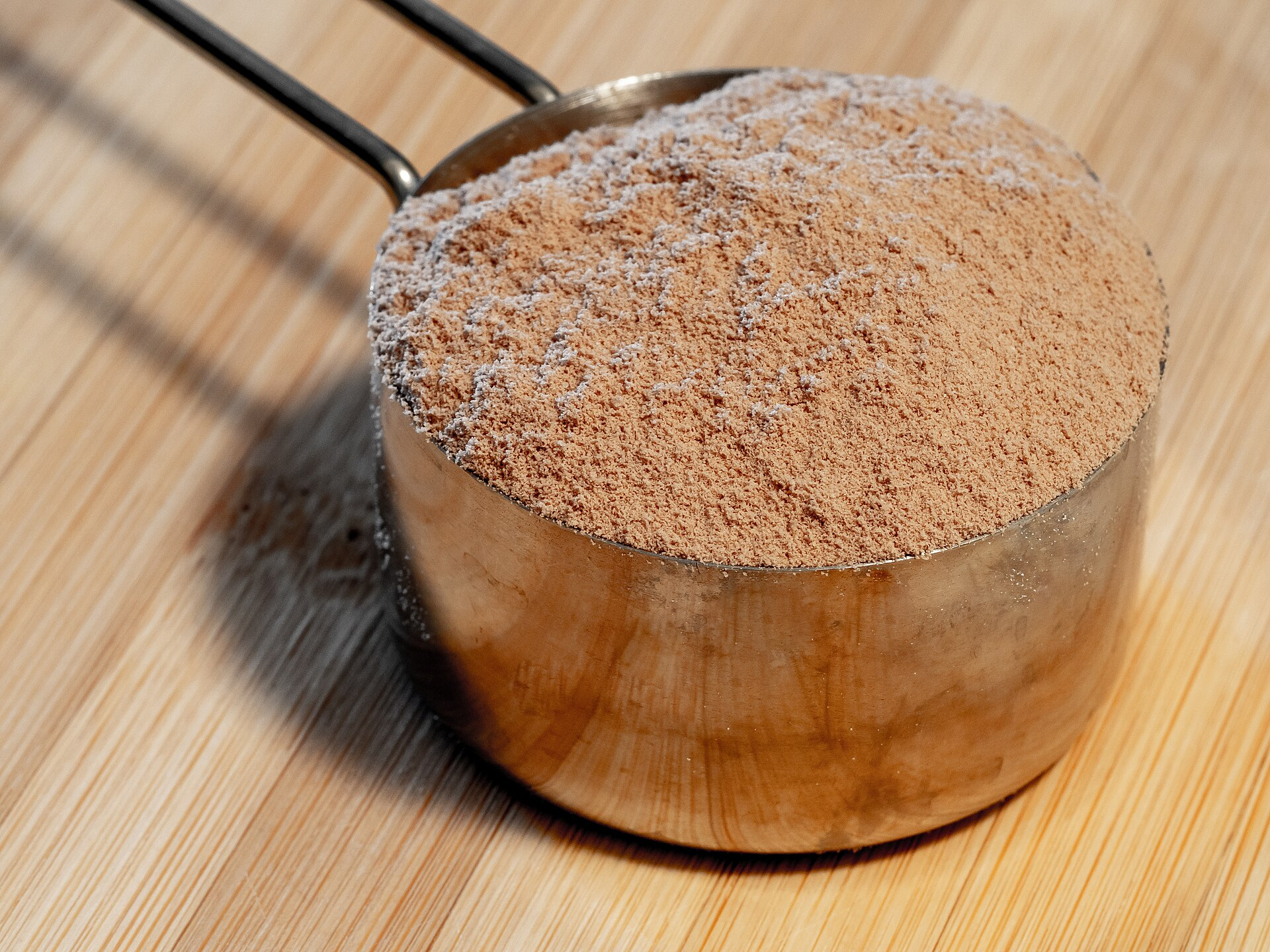
Photo: Ajay Suresh from New York, NY, USA, Wikimedia Commons (CC BY 2.0).
General information, not medical advice. Talk to a doctor about protein supplements if you have kidney or liver disease.
Related on Steroids Canada