
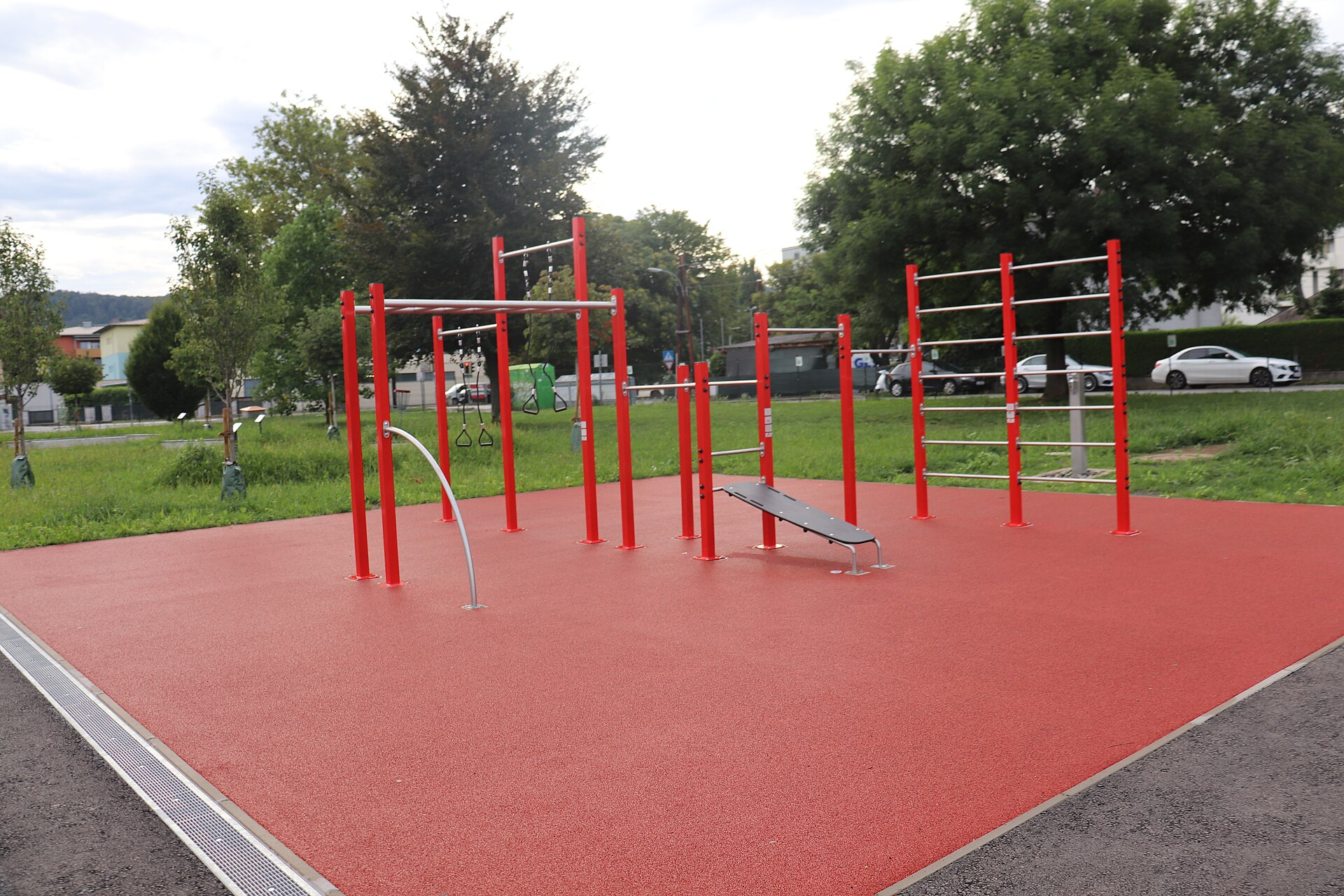
Calisthenics, training with your own body weight, builds real muscle and strength when you keep making exercises harder. The key is progression: harder variations, more reps, slower tempo or added weight. It suits home training, travel and outdoor parks across Canada.
- Research shows push-ups can build chest muscle similarly to bench press at matched effort.
- Progress by changing leverage, range of motion or adding load.
- Fast strength gains, from any source, put tendons and elbows under stress.
Bodyweight training is often seen as a beginner’s option or a fallback when the gym is closed. In reality, gymnasts and street workout athletes build impressive physiques with little equipment. Here is how to make calisthenics work for muscle and strength.
Does bodyweight training build muscle?
Yes, as long as sets are hard enough. A 2017 study in the Journal of Exercise Science and Fitness found that push-ups and bench press, performed at similar effort, produced similar gains in chest muscle and strength over eight weeks. Muscle responds to tension and effort, not to whether the resistance is a barbell or your body.
The challenge is progression. Once you can do 30 push-ups, adding more reps becomes less effective, so you need harder variations.
Progressions for the main movements
| Movement | Easier | Standard | Harder |
|---|---|---|---|
| Push | Incline push-up | Push-up | Deficit, archer, then one-arm push-up; weighted push-up |
| Pull | Inverted row | Pull-up or chin-up | Weighted, archer, then one-arm progressions |
| Dip | Bench dip | Parallel bar dip | Weighted dip, ring dip |
| Legs | Bodyweight squat | Split squat, step-up | Bulgarian split squat, pistol squat, shrimp squat |
| Core | Plank | Hanging knee raise | Hanging leg raise, L-sit, dragon flag |
How to add overload
- Harder leverage: move from incline to floor to feet-elevated push-ups.
- More range: deficit push-ups or deep split squats.
- Slower tempo: three to four seconds lowering.
- Pauses: at the bottom of each rep.
- Added weight: a backpack with books, a dip belt or a weighted vest.
- Unilateral work: single-leg and single-arm variations.
Aim for most sets in the 5–30 rep range, ending within one to three reps of failure.
A simple weekly plan
- Three full-body sessions a week, such as Monday, Wednesday and Friday.
- Each session: one push, one pull, one leg and one core exercise, three to four sets each.
- Track reps and variations and progress something every week or two.
Pull-up bars fit most doorframes, and many Canadian cities have free outdoor fitness parks. In winter, a set of rings or a dip station indoors keeps progress going.
Protecting tendons and joints
Advanced calisthenics puts high stress on elbows, wrists and shoulders, especially planche, front lever and one-arm work. Tendons adapt more slowly than muscle. Progress gradually, warm up wrists and shoulders, and back off if pain sits at the tendon rather than in the muscle.
This matters even more for anyone using anabolic steroids, which can increase strength faster than tendons adapt. Tendon ruptures in users often happen during heavy pressing and pulling. See steroids and injury recovery.
Equipment worth buying
- Pull-up bar: doorframe or wall-mounted; the most useful single item.
- Gymnastic rings: hang from a bar, tree or beam for dips, rows and push-ups that challenge stability.
- Parallettes or dip station: for dips, L-sits and deeper push-ups.
- Resistance bands: for assisted pull-ups and extra resistance.
- Weighted vest or backpack: the simplest way to keep adding load.
All of it fits in a small apartment, which makes calisthenics a practical option through long Canadian winters.
Nutrition for bodyweight training
The rules are the same as with weights: about 1.6–2.2 g of protein per kilogram a day and enough total calories to support growth. Calisthenics has one twist: strength relative to body weight matters, so staying lean makes progressions easier. See body recomposition.
Warming up
A good warm-up for bodyweight training takes five to ten minutes: wrist circles and gentle wrist stretches on the floor, arm circles, scapular push-ups and dead hangs from the bar, followed by one or two easy sets of the first exercise. Cold Canadian mornings at outdoor parks call for a longer warm-up, as cold muscles and tendons are less elastic.
Calisthenics, weights or both?
Barbells make it easier to load legs heavily and to measure progress precisely. Calisthenics builds body control and can be done anywhere. Many people get the best of both: barbell squats and deadlifts for legs, and pull-ups, dips and push-up variations for the upper body.
Frequently asked questions
Can you build muscle with only bodyweight exercises?
Yes, if you keep progressing to harder variations or add weight so sets stay challenging.
How do you progress push-ups?
Move from incline to floor, then feet-elevated, deficit and archer push-ups, or add weight with a backpack or vest.
Is calisthenics easier on joints?
Basic movements are joint-friendly, but advanced skills place high stress on elbows, wrists and shoulders and need gradual progression.
Photo: Xaverpedia, Wikimedia Commons (CC BY 4.0).
General information, not medical advice. Check with a doctor before starting a new exercise program if you have health concerns.
Related on Steroids Canada