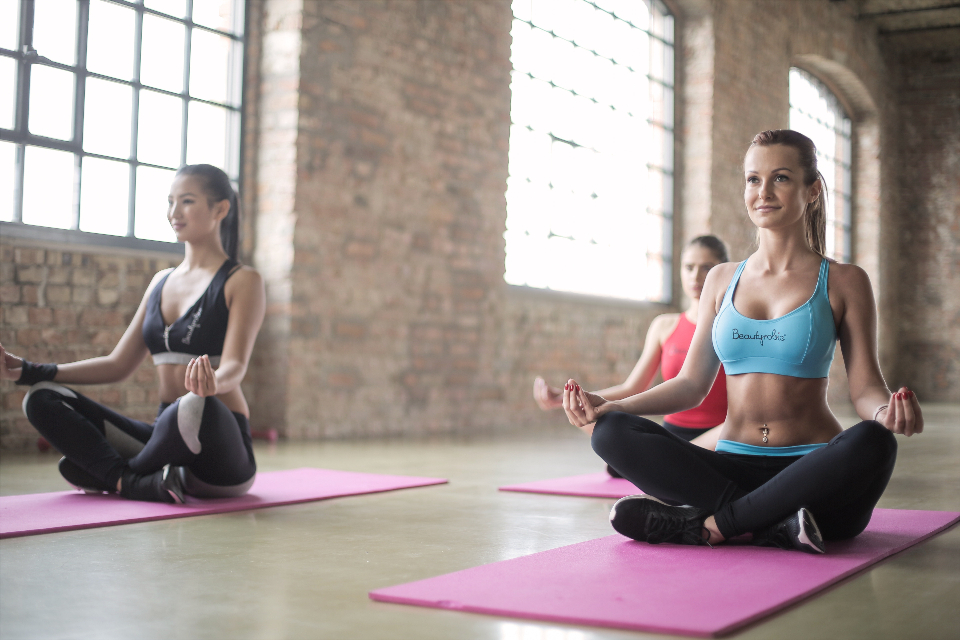
Yoga and Pilates burn fewer calories than most cardio, but they support fat loss in other ways: improving mobility, core strength, stress, sleep and awareness around eating. They work best alongside strength training and a calorie deficit.
- Most yoga and Pilates classes burn roughly 150–300 calories an hour.
- Studies link yoga with reduced stress eating and better mindful eating.
- Power yoga and dynamic Pilates are more demanding than gentle classes.
Yoga and Pilates studios are found in nearly every Canadian community, and many gyms include classes. They are often dismissed as “too easy” for fat loss, but their benefits are broader than calories. Here is how they fit.
What each involves
- Yoga: postures, breathing and relaxation. Styles range from gentle hatha and restorative yoga to vigorous power, vinyasa and hot yoga.
- Pilates: controlled movements focusing on core strength, posture and alignment, done on a mat or on equipment such as the reformer.
Calories burned
| Class (1 hour) | Approximate calories* |
|---|---|
| Gentle or restorative yoga | 120–180 |
| Hatha yoga | 180–250 |
| Vinyasa or power yoga | 250–400 |
| Mat Pilates | 180–300 |
| Reformer Pilates (dynamic) | 250–400 |
*Varies with body size and intensity. Hot yoga feels harder because of heat, but the extra calorie burn is modest; much of the weight lost is sweat.
How they support fat loss
Stress and eating
Chronic stress raises cortisol and is linked with emotional eating and abdominal fat. Yoga reduces perceived stress and anxiety in many studies. See managing stress eating.
Mindful eating
Research by Bernstein and colleagues found regular yoga practitioners reported more mindful eating, and some studies associate yoga practice with less weight gain over time, possibly through improved body awareness. See mindful eating.
Sleep
Gentle yoga in the evening can improve sleep quality, which supports appetite control and recovery.
Core strength and posture
Pilates in particular strengthens deep core muscles, improves posture and can reduce lower back pain, making other training more comfortable.
Mobility
Better flexibility and joint range help with lifting technique and daily movement, especially for desk workers.
Yoga and Pilates for lifters
Many strength athletes use yoga or Pilates to improve hip, ankle and shoulder mobility, which helps squat depth, overhead pressing and posture. Pilates strengthens the deep abdominal and back muscles that support bracing under heavy loads. A short mobility-focused session on rest days, or 10–15 minutes after lifting, is often enough. Lifters with tight hips from long hours of sitting tend to notice the biggest benefits.
Breathing practice in yoga can also carry over to lifting: learning to breathe deeply into the belly and control the breath helps with bracing and staying calm during hard sets. See breathing for heavy lifts.
Building a balanced week
- Two to three strength sessions for muscle
- Two to three cardio sessions or daily walking for heart health and calories
- One to three yoga or Pilates sessions for mobility, core and stress
Yoga can also serve as active recovery on rest days.
Choosing a style
For stress relief and sleep, restorative, yin or hatha yoga suit most people. For more of a workout, try vinyasa, power yoga or a dynamic reformer Pilates class. For core strength and back health, mat Pilates is a good start. Trying two or three different classes before committing helps you find what you enjoy, and enjoyment is what keeps people coming back.
For beginners and people with extra weight
Many studios offer beginner, gentle or chair yoga. Props such as blocks and straps make poses accessible. Pilates mat classes are adaptable for most fitness levels. Tell the instructor about any injuries or health conditions. See low-impact exercise.
How often to practise
Benefits for stress and mobility appear with as little as two sessions a week. Many people find a short daily practice of 10–20 minutes at home more sustainable than occasional long classes. Consistency matters more than session length.
Cost and access in Canada
Studio drop-ins often cost $20–30 a class, with memberships and class packs reducing the price. Community centres and YMCAs offer cheaper classes, and many free online videos are available. Some workplace benefit plans cover part of fitness class costs.
Frequently asked questions
Can yoga help you lose weight?
It burns fewer calories than most cardio, but it can support weight loss by reducing stress, improving sleep and encouraging mindful eating.
Is Pilates good for belly fat?
Pilates strengthens the core but cannot target belly fat. Fat loss requires an overall calorie deficit.
Does hot yoga burn more fat?
It feels harder, but the extra calorie burn is modest. Much of the weight lost is sweat.
Photo: Bruce Mars, StockSnap (public domain).
General information, not medical advice.
Related on Steroids Canada