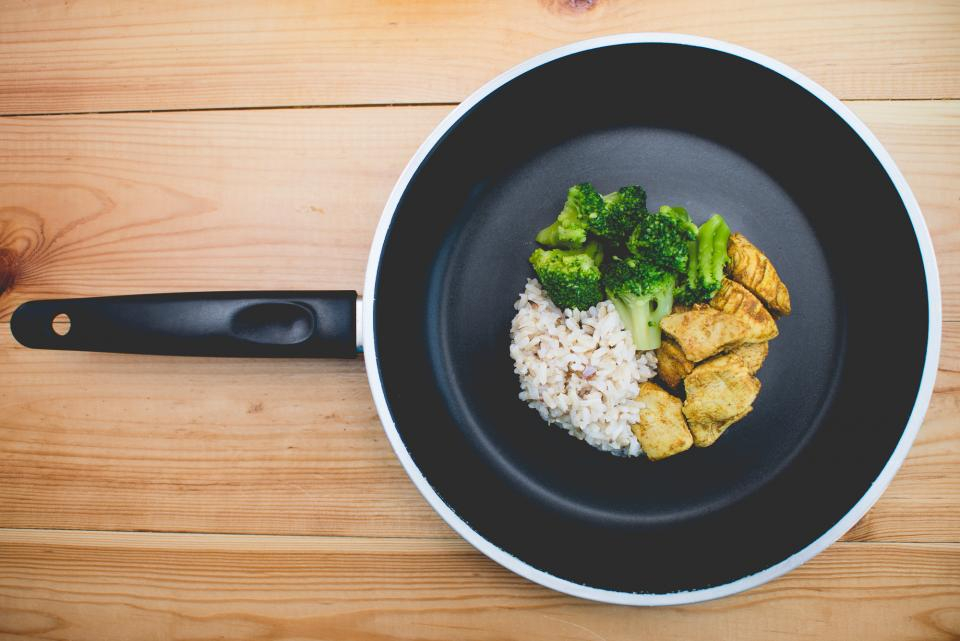
Meal prep makes weight loss easier because healthy food is ready when you are hungry and busy. A simple system, cooking proteins, starches and vegetables in batches and mixing them through the week, beats complicated recipes.
- Two hours once or twice a week covers most lunches and dinners.
- Build each meal around 30–40 g of protein and plenty of vegetables.
- Most cooked meals keep three to four days in the fridge; freeze the rest.
Most diets fail on busy days, not at the planning stage. Having meals ready removes the decision of what to eat when tired and hungry. Here is a practical approach that works for Canadian schedules and budgets.
Why meal prep helps
- Portions are set in advance, so calories are easier to control.
- Protein targets are easier to hit.
- Fewer takeout meals saves money and calories.
- Less daily decision-making means fewer impulse choices.
Research on meal planning links it with better diet quality and lower obesity rates, partly because people who plan tend to cook more.
The building-block method
Instead of cooking five different recipes, cook components and combine them:
| Component | Batch-cook options |
|---|---|
| Protein | Baked chicken thighs, lean ground turkey, salmon, tofu, hard-boiled eggs, lentils |
| Starch | Rice, quinoa, roasted potatoes or sweet potatoes, whole-wheat pasta |
| Vegetables | Roasted peppers, broccoli, carrots, zucchini; bagged salad; frozen mixed vegetables |
| Sauces | Salsa, tzatziki, teriyaki, curry sauce, hummus, light peanut sauce |
Different sauces and seasonings turn the same base into a burrito bowl, a stir-fry, a Mediterranean plate or a curry.
A two-hour Sunday routine
- Oven on (200 °C): two trays of vegetables and a tray of seasoned chicken thighs.
- Stovetop: a pot of rice and a pan of lean ground turkey with taco seasoning.
- Meanwhile: boil a dozen eggs and portion Greek yogurt with berries for breakfasts.
- Portion: fill containers with protein, starch and vegetables; label with the date.
- Freeze anything for Thursday onwards.
A second, shorter session midweek keeps food fresh.
Five high-protein prep meals
- Turkey taco bowl: lean ground turkey, rice, black beans, salsa, peppers, a little cheese.
- Sheet-pan chicken and vegetables with potatoes and a yogurt-garlic sauce.
- Salmon, quinoa and broccoli with lemon and dill.
- Lentil and vegetable curry with rice; freezes well.
- Chili with lean beef or turkey and beans; ideal for winter batch cooking.
Food safety
- Cool cooked food quickly and refrigerate within two hours.
- Keep the fridge at 4 °C or below.
- Eat most cooked meals within three to four days; Health Canada’s guidance is a good reference.
- Rice should be cooled quickly and reheated until steaming hot; leftover rice can carry Bacillus cereus.
- Freeze portions for up to two to three months and thaw in the fridge.
Keeping it interesting
- Rotate two or three proteins and sauces each week.
- Keep some meals “half-prepped”, such as marinated meat to cook fresh.
- Use seasonal Canadian produce: squash and root vegetables in fall, berries in summer.
- Allow one or two flexible meals a week.
Budget tips
- Buy family packs of meat and freeze portions.
- Use frozen vegetables and canned beans and fish.
- Plan meals around weekly flyer deals.
- Cook dried legumes in bulk.
Equipment that helps
- Glass containers with lids that are oven- and microwave-safe
- Two large sheet pans for roasting protein and vegetables at once
- A rice cooker or slow cooker for hands-off batch cooking
- A kitchen scale for portioning during the first weeks
- Freezer bags and labels with dates
Breakfasts and snacks to prep
- Overnight oats with protein powder and berries
- Egg muffins with vegetables and a little cheese
- Greek yogurt parfaits portioned into jars
- Hard-boiled eggs and cut vegetables with hummus
- Portioned nuts or roasted chickpeas
Having breakfast and snacks ready matters as much as lunches: unplanned snacking is where many diets slip.
Portions for weight loss
A good starting portion for many people is a palm or two of protein, a fist of starch, two fists of vegetables and a thumb of fat. Adjust based on your targets; see counting macros. For snacks, see low-carb snacks, and for higher-protein recipes, Canadian weight-loss recipes.
Frequently asked questions
How long does meal prep last in the fridge?
Most cooked meals are best eaten within three to four days. Freeze portions for later in the week.
What are the best foods for meal prep?
Chicken thighs, lean ground meat, salmon, eggs, tofu, lentils, rice, potatoes and roasted or frozen vegetables all keep and reheat well.
Does meal prep help weight loss?
Yes. It makes portion control and high protein easier and reduces takeout and impulse eating.
Photo: Patryk Dziejma, StockSnap (public domain).
General information, not medical advice.
Related on Steroids Canada