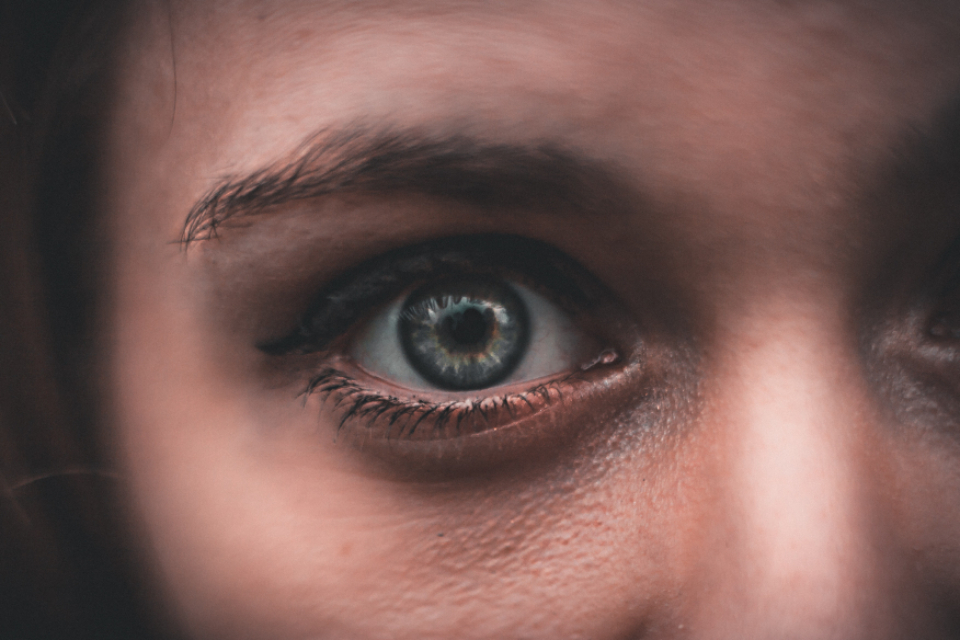
S4 (andarine) is an early SARM best known for a strange side effect: a yellow tint to vision and difficulty adjusting to the dark. Users report these effects commonly, and while they usually fade after stopping, they are a reason to take S4 seriously.
- Vision changes are thought to come from S4 binding to receptors in the eye.
- S4 never completed human efficacy trials, so there is no human dose.
- Any vision change is a reason to stop and, if it persists, see an eye doctor.
Andarine was one of the first SARMs developed, and it remains on the market as a research chemical. Its vision effects set it apart from other SARMs. This guide explains what is known and how to respond if your eyesight changes.
What S4 is
Andarine (S4, GTx-007) was developed by GTx Inc. in the early 2000s as a possible treatment for muscle wasting, osteoporosis and benign prostate enlargement. In animal studies it increased muscle and bone and shrank the prostate. Its development was dropped in favour of ostarine, partly because of its visual side effects. It was never approved and has no published human efficacy trials.
The vision effects
Users commonly describe:
- A yellow tint to everything, sometimes described as an amber filter
- Poor night vision, with slow adjustment from bright to dark
- Difficulty seeing in low light, which matters for night driving in a Canadian winter
Reports suggest these effects are dose-related and usually go away within days to weeks of stopping. The proposed cause is that S4 (or a metabolite) binds to receptors in the retina that are involved in colour and light adjustment. There is little formal research, so the mechanism and the long-term effects are not well understood.
In most provinces you can book an eye exam with an optometrist directly, without a referral. Tell them exactly what you took.
Other side effects
- Suppression of natural testosterone, as with all SARMs
- Lower HDL cholesterol
- Liver enzyme changes reported with SARMs generally
- Low-testosterone symptoms during or after use
- Frequent urination reported by some users
S4 compared with other SARMs
| SARM | Human trials | Known specific concern |
|---|---|---|
| Ostarine | Several, up to about 4 months | Suppression, HDL |
| LGD-4033 | 21-day trial | Stronger suppression; liver injury reports |
| S4 (andarine) | None published for efficacy | Vision changes |
| RAD-140 | Early cancer trials | Liver injury reports |
See ostarine research and SARMs 101 for comparison.
Short half-life
S4 has a short half-life of a few hours, which is one reason users split daily amounts. A short half-life also means its effects, including vision changes, usually fade quickly after stopping. If they do not, that is a reason for a professional eye exam.
Bloodwork and checks
- Testosterone, LH, FSH
- Lipid panel
- Liver enzymes
- A baseline eye exam if you wear glasses or have any eye condition
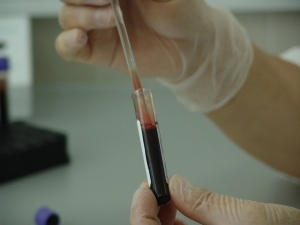
Arrange blood tests through your doctor or privately at LifeLabs or Dynacare. See our bloodwork guide and recovery after SARMs.
A practical self-check
If you notice changes, a few simple checks help you describe them to an eye doctor:
- Look at a white sheet of paper in daylight: does it appear yellow or amber?
- Walk from a bright room into a dim one: how long until you can see detail?
- Cover one eye at a time: are the changes in both eyes or one?
- Note when changes started and whether they vary through the day.
Changes in only one eye, or with pain or flashes, are not typical of S4 and need urgent assessment.
Who should avoid S4
- Anyone who drives at night for work or lives where winter days are short
- Anyone with an existing eye condition such as glaucoma or retinal disease
- Pilots, commercial drivers and anyone whose job depends on normal colour vision
- Tested athletes: it is banned under the World Anti-Doping Agency code
Products and legal status
We carry Zionova Andarine S4 and Genetix Andarine S4, with batch lab results on each product page. SARMs are not authorised by Health Canada for human use and are sold for research.
Frequently asked questions
Why does S4 make vision yellow?
It is thought to bind receptors in the retina involved in colour and light adjustment. The effect is usually temporary.
Do S4 vision side effects go away?
Reports suggest they usually fade within days to weeks of stopping. If they do not, see an eye doctor.
Is S4 safe for night driving?
Poor night vision is one of its common side effects, so night driving may not be safe while it is affected.
Photo: Nick Demou, StockSnap (public domain).
General information about a research compound, not medical advice. Andarine is not approved for human use in Canada.
Related on Steroids Canada