High-intensity interval training (HIIT) alternates short bursts of hard effort with recovery. It improves fitness quickly and burns a similar amount of fat to steady cardio in less time. It is demanding, so one to three sessions a week is enough for most people.
- Reviews show HIIT and moderate cardio produce similar fat loss when total work is similar.
- HIIT is time-efficient and strongly improves aerobic fitness.
- Bikes and rowers are the gentlest on joints.
HIIT has been one of the biggest fitness trends for over a decade, from Tabata intervals to group classes in gyms across Canada. It is a useful tool, but it is not magic. Here is what it does, what it does not do, and how to use it well.
What HIIT is
HIIT involves repeated bouts of hard exercise, usually 80–95% of maximum heart rate, separated by easier recovery periods. Sprint interval training (SIT) uses all-out efforts of 10–30 seconds with longer rests. Work-to-rest ratios vary from 1:1 to 1:4 or more.
What research shows
- Fat loss: a 2019 meta-analysis in the British Journal of Sports Medicine found interval training produced slightly greater reductions in total body fat percentage than moderate continuous training, but the difference was small. Other reviews find similar fat loss overall.
- Time efficiency: HIIT achieves similar benefits in less time, which is its main advantage.
- Fitness: HIIT improves VO2 max (aerobic fitness) quickly, a strong predictor of long-term health.
- Afterburn (EPOC): HIIT raises energy use after exercise more than steady cardio, but usually only by a few dozen extra calories.
- Insulin sensitivity: improves with both HIIT and moderate cardio.
Sample workouts
| Workout | Structure | Total time |
|---|---|---|
| Bike intervals (beginner) | 30 s hard, 90 s easy, × 6–8 | About 20 min with warm-up |
| Rower intervals | 250 m hard, 1 min easy, × 6 | About 20 min |
| Treadmill incline | 45 s brisk walk at steep incline, 75 s flat, × 8 | About 20 min |
| Classic 4 × 4 | 4 min hard (85–95% max HR), 3 min easy, × 4 | About 35 min |
| Sprint intervals (advanced) | 20 s all-out, 2 min easy, × 4–6 | About 20 min |
Always warm up for 5–10 minutes and cool down afterwards. The 4 × 4 protocol comes from Norwegian research showing large improvements in aerobic fitness.
Choosing equipment
- Stationary bike or air bike: low impact, easy to control, very safe.
- Rowing machine: full-body; technique matters. See rowing machine training.
- Treadmill or outdoor sprints: higher impact, more injury risk for beginners and heavier people.
- Bodyweight circuits: burpees, jump squats, mountain climbers; convenient but harder on joints.
How often
One to three HIIT sessions a week is enough for most people. More can interfere with strength training recovery and increase injury risk. Combine HIIT with two to four strength sessions and plenty of daily walking for the best results. See daily movement.
Building up to HIIT
If you are new to hard exercise, start with two to four weeks of steady cardio, such as brisk walking or easy cycling three times a week, before adding intervals. Then begin with short, moderate intervals, for example 20–30 seconds at a hard but controlled effort with a full two minutes of easy pedalling between. Increase the number of intervals first, then the intensity, and only later reduce the rest. Rating effort on a 1–10 scale helps: hard intervals should feel like an 8, recoveries like a 3.
Heart rate monitors and the displays on gym bikes and rowers make it easy to track progress. Being able to complete the same session at a lower heart rate, or more work at the same heart rate, shows your fitness is improving even before the scale moves.
Who should be careful
- People with heart disease, uncontrolled high blood pressure or chest pain on exertion
- Beginners with very low fitness or excess weight, who should build a base first; see low-impact exercise
- Anyone with joint injuries (choose cycling or rowing)
- People using stimulants, clenbuterol or thyroid hormone, which already raise heart rate
- Anyone using high-dose anabolic steroids with raised blood pressure or hematocrit
HIIT and fat loss in context
HIIT burns roughly 200–400 calories in a 20–30 minute session, depending on body size and effort. That helps, but diet still creates most of the deficit. Treat HIIT as a fitness tool that also supports fat loss, not as the main driver. See fat loss without cardio.
Frequently asked questions
Is HIIT better than cardio for fat loss?
Fat loss is similar or slightly better with HIIT, but its main advantage is achieving similar results in less time.
How many times a week should I do HIIT?
One to three sessions a week for most people, alongside strength training and daily walking.
Is HIIT good for beginners?
Beginners can start with gentle intervals on a bike, but should build basic fitness first and avoid high-impact exercises.
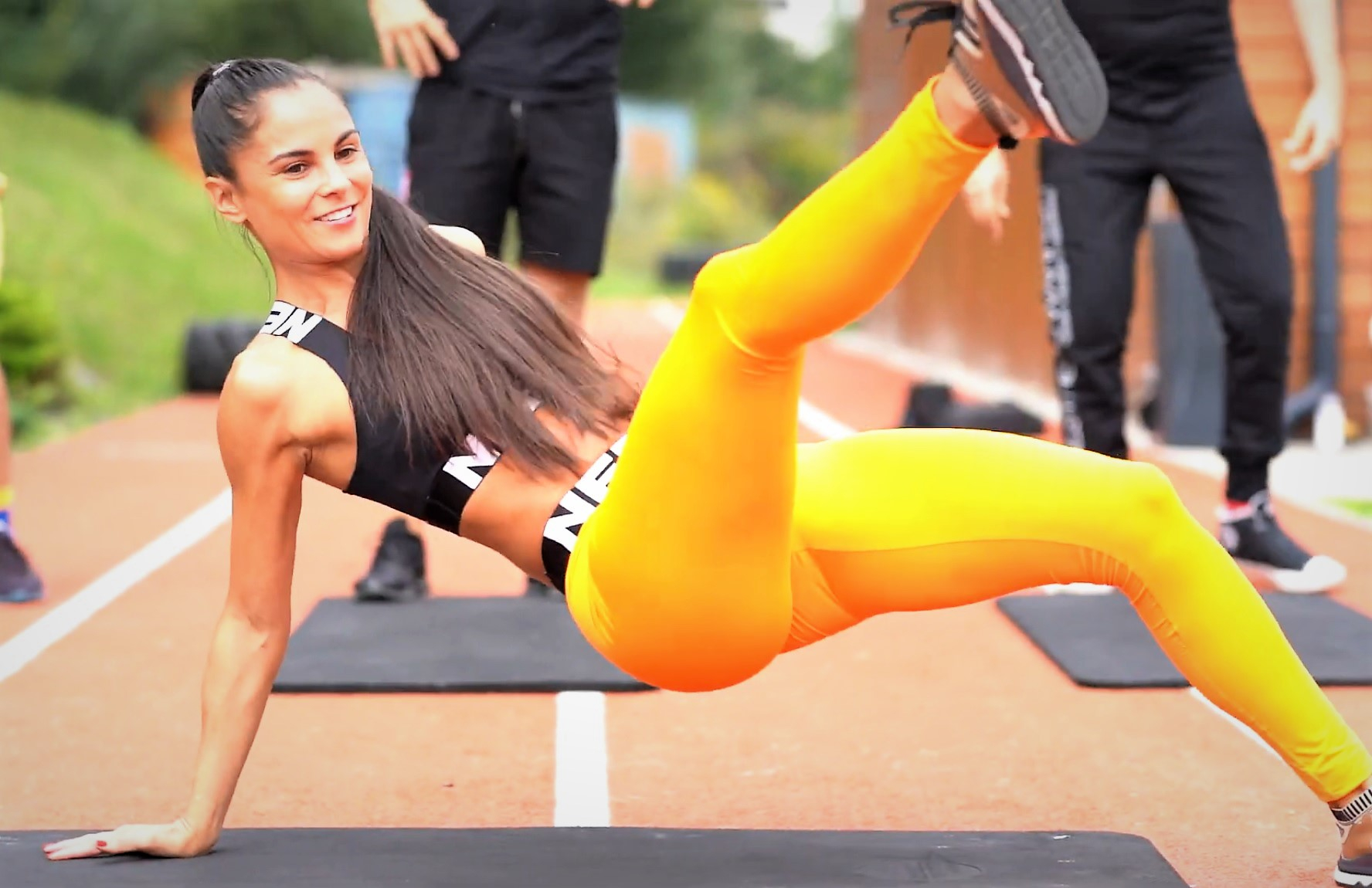
Photo: NEBBIA, Wikimedia Commons (CC BY 3.0).
General information, not medical advice. Get medical clearance before high-intensity exercise if you have heart risk factors.
Related on Steroids Canada