
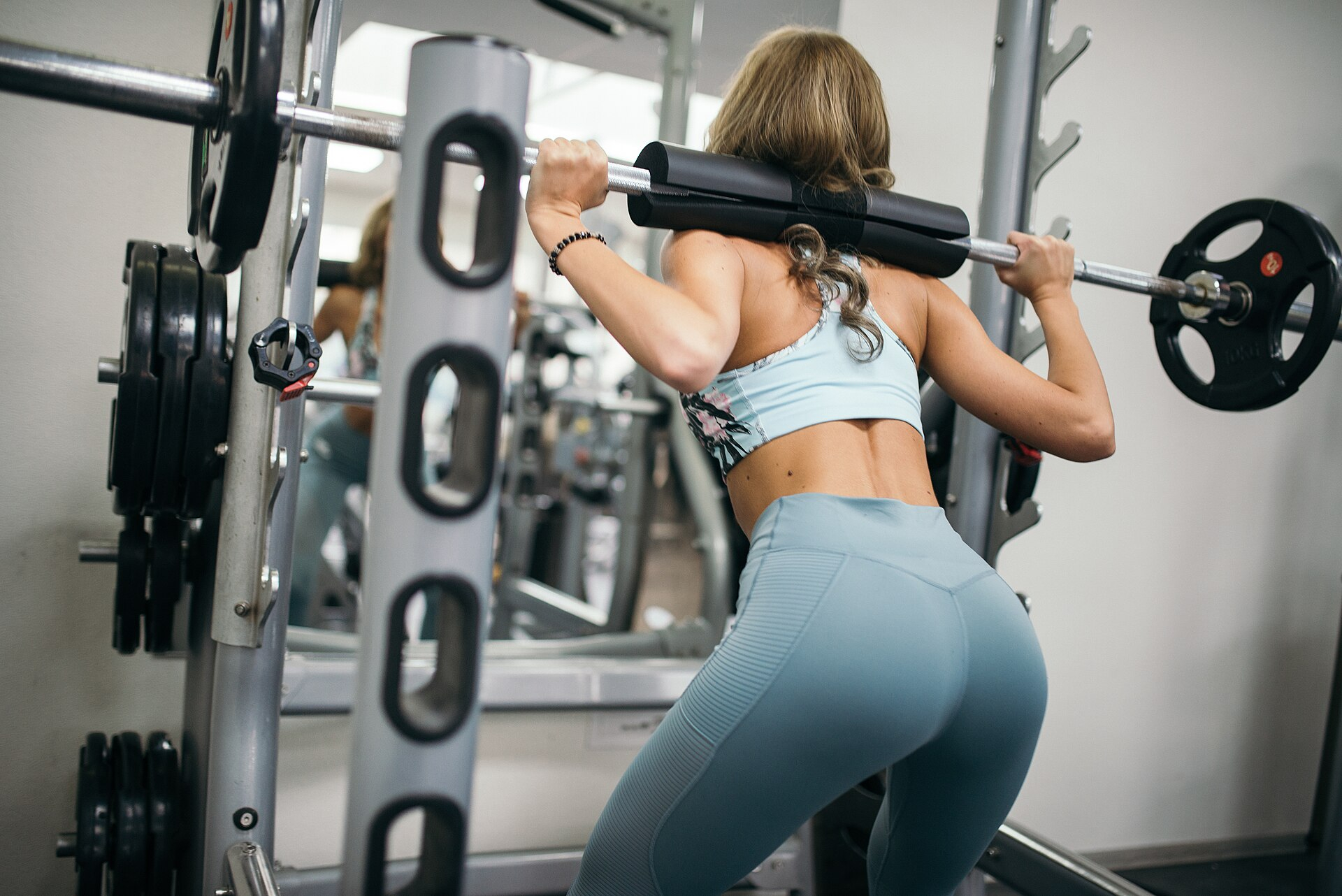
For heavy lifts, the safest and strongest technique is usually a big breath into the belly, a firm brace of the core, and holding that breath through the hardest part of the rep (the Valsalva manoeuvre). It stiffens the trunk and protects the spine, but it briefly raises blood pressure a lot.
- Breathe into your belly and sides, not your chest.
- Hold the brace through the sticking point, then breathe out.
- People with high blood pressure, heart disease or eye conditions should take extra care.
Breathing is one of the most overlooked parts of lifting technique. Done well, it makes you stronger and safer immediately. Done badly, it leaks force and can make dizziness or back strain more likely. Here is how to get it right.
Why breathing matters
When you take a deep breath and tighten your abdominal and back muscles, pressure inside the abdomen rises. This intra-abdominal pressure acts like an inflated tyre around the spine, making the trunk stiffer so force transfers from the legs and hips to the bar. Research using pressure sensors shows bracing increases trunk stiffness and reduces unwanted spinal movement under load.
How to brace
- Set up in your starting position.
- Breathe in through your nose about 70–80% of a full breath, aiming the air low into your belly and sides, as if expanding a belt around your waist.
- Tighten your core as if preparing for a punch to the stomach.
- Hold the breath by closing the throat (the Valsalva manoeuvre).
- Perform the rep, keeping the brace through the hardest part.
- Breathe out at the top, then reset before the next rep.
A lifting belt gives the abdominal muscles something to push against, which can increase pressure further. It supports bracing; it does not replace it.
Breathing by exercise
| Lift | Approach |
|---|---|
| Squat | Full brace at the top, hold through descent and the sticking point, breathe out near the top |
| Deadlift | Brace before the bar leaves the floor, hold to lockout, reset each rep on heavy sets |
| Bench press | Breath and brace at the top, hold through the press, breathe at lockout |
| Overhead press | Brace hard, glutes tight to protect the lower back |
| Machines, curls, high-rep sets | Breathe continuously: out on effort, in on return |
The blood pressure effect
Holding your breath under heavy load raises blood pressure dramatically for a few seconds. Studies in lifters have recorded peaks above 300/200 mmHg during maximal leg presses. Healthy blood vessels handle these brief spikes, and regular strength training is linked to lower resting blood pressure over time. But for some people the spike carries risk.
Anabolic steroid use, stimulants and some pre-workouts raise resting blood pressure, which adds to the spike. Monitoring blood pressure at home is a good habit for anyone in that situation. See steroids and heart health.
Dizziness and fainting
Long breath holds and standing up quickly after heavy sets can make you light-headed, because blood pressure drops after the brace releases. Breathe out between reps on longer sets, avoid holding the breath across many reps, and rest seated if dizzy.
Breathing for different goals
For strength and powerlifting, a maximal brace on every heavy rep is standard. For bodybuilding-style training with moderate weights and higher reps, a lighter brace with controlled breathing between reps is usually enough and reduces fatigue and dizziness. For endurance and circuit training, rhythmic breathing matters more: exhaling on effort and inhaling on the return keeps oxygen flowing and heart rate manageable. Matching breathing to the task makes training both safer and more effective.
Common mistakes
- Breathing into the chest and lifting the shoulders
- Exhaling at the bottom of a squat, losing tension at the hardest point
- Taking such a big breath that you cannot brace
- Holding the breath for an entire high-rep set
- Over-relying on a belt without learning to brace
Training the skill
Practise bracing with light weights and drills such as planks and dead bugs with controlled breathing. Some lifters find “360-degree” breathing drills helpful: lie on your back with hands on your sides and practise expanding your waist in all directions.
Frequently asked questions
Should I hold my breath when lifting?
For heavy compound lifts, a brief breath hold with a braced core (Valsalva) improves stability. For lighter or higher-rep sets, breathe continuously.
Is the Valsalva manoeuvre dangerous?
It briefly raises blood pressure a lot. It is generally safe for healthy people, but those with high blood pressure, heart or eye conditions should ask a doctor.
Does a lifting belt help breathing?
A belt gives your core something to push against, helping raise abdominal pressure. You still need to brace properly.
Photo: Nenad Stojkovic, Wikimedia Commons (CC BY 2.0).
General information, not medical advice.
Related on Steroids Canada