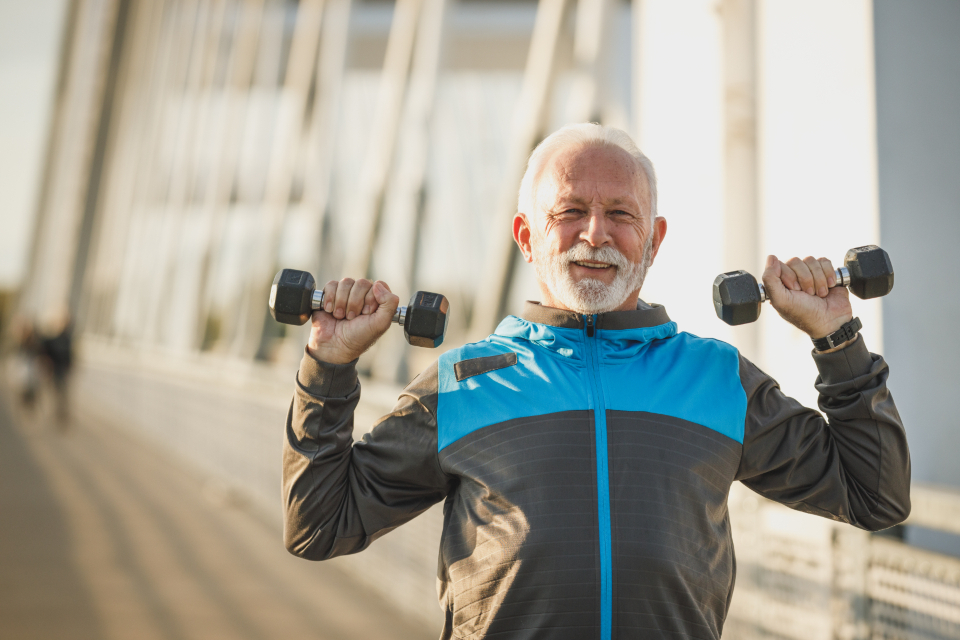
Up to a quarter or more of weight lost on a diet can come from lean tissue unless you take steps to protect it. Strength training, high protein and a moderate deficit are the three most effective tools. Keeping muscle matters for strength, metabolism, blood sugar and independence as you age.
- Lift weights two to four times a week throughout the diet.
- Eat about 1.6–2.2 g of protein per kilogram of body weight daily.
- Lose about 0.5–1% of body weight a week rather than faster.
The goal of weight loss is usually to lose fat, not muscle, but the body does not automatically choose. Without the right signals, some of the weight lost comes from muscle. This guide explains how to protect it.
Why muscle matters
- Strength and function: carrying groceries, climbing stairs and staying independent as you age
- Metabolism: muscle burns more energy than fat at rest and stores glucose
- Blood sugar: muscle is the main site of glucose uptake after meals
- Appearance: keeping muscle means looking toned rather than just smaller
- Weight maintenance: more muscle makes keeping weight off easier
How much muscle is lost in typical diets
Studies show the share of weight lost as lean mass varies widely, from about 10% to over 30%, depending on the size of the deficit, protein intake, training and starting body fat. In trials of GLP-1 medicines such as semaglutide, lean mass made up roughly a quarter to a third of total weight lost, which is why resistance training and protein are now strongly recommended alongside these drugs.
1. Keep strength training
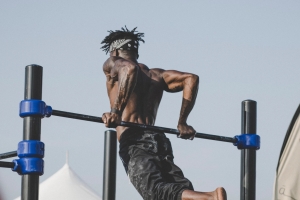
Resistance training is the strongest signal to keep muscle. Research consistently shows people who lift during a diet lose much less lean mass than those who diet alone or do only cardio. Keep training each major muscle group about twice a week, maintain the loads you lift as much as possible, and accept that volume may need to drop late in a long diet.
2. Eat enough protein
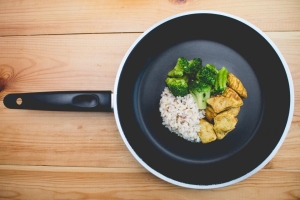
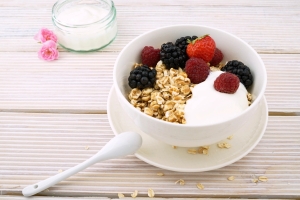
Protein provides the building blocks for muscle and keeps you full. Meta-analyses show higher protein intakes during energy restriction preserve more lean mass. Aim for 1.6–2.2 g per kilogram a day; lean athletes in larger deficits may benefit from more. Spread it over three to five meals.
3. Do not cut too fast
Large deficits increase muscle loss, especially for leaner people. A loss of about 0.5–1% of body weight per week balances speed and muscle retention for most. See choosing your deficit.
4. Sleep
A 2010 study found dieters sleeping 5.5 hours lost more lean mass and less fat than when sleeping 8.5 hours on the same diet. See sleep and recovery.
5. Consider creatine
Creatine monohydrate, 3–5 g a day, helps maintain strength and training quality during a diet and is one of the best-studied supplements. It adds a little water weight inside muscle, which is not fat.
Older adults
From around age 50, muscle loss accelerates, a condition called sarcopenia. Weight loss in older adults without strength training can speed up this loss and increase frailty and fall risk. Older adults losing weight should prioritise resistance training, higher protein (about 1.2–1.6 g/kg or more), and a slow rate of loss. Many Canadian community centres and YMCAs offer strength classes for older adults.
GLP-1 medicines and muscle
For people using semaglutide or similar medicines, appetite can drop so much that protein intake falls. Planning protein at every meal, using protein shakes when appetite is low, and adding strength training two to three times a week helps protect muscle. See Ozempic and Wegovy.
A minimum effective routine
If time is limited, two full-body sessions a week can maintain most muscle during a diet. Each session might include a squat or leg press, a hip hinge such as a Romanian deadlift, a push (bench press or push-ups), a pull (rows or pull-downs) and a carry or plank, for two to four hard sets each. Keep the weights challenging. This takes about 45 minutes and fits even busy schedules.
Signs you are losing muscle
- Strength dropping steadily week after week
- Weight falling fast while your waist changes little
- Feeling weak, tired and cold
- A DEXA scan showing lean mass loss
See body composition vs scale weight.
Frequently asked questions
How do I lose fat without losing muscle?
Keep strength training, eat 1.6–2.2 g of protein per kilogram daily, lose weight at a moderate pace and sleep well.
Does cardio cause muscle loss?
Moderate cardio does not, especially alongside strength training and enough protein. Very high amounts in a large deficit can contribute.
Do weight-loss drugs cause muscle loss?
Part of the weight lost on GLP-1 medicines is lean mass. Strength training and high protein help reduce it.
Photo: Direct Media, StockSnap (public domain).
General information, not medical advice.
Related on Steroids Canada