
The kidneys get less attention than the liver or heart, but research links long-term anabolic steroid use to kidney injury, most notably a scarring condition called focal segmental glomerulosclerosis (FSGS). High blood pressure, dehydration and some common painkillers add to the strain. Standard creatinine tests can also mislead muscular people.
- Muscle mass and creatine raise blood creatinine, which can make kidney function look worse than it is.
- Cystatin C and a urine albumin test give a more reliable picture.
- Blood pressure control is the single biggest thing you can do to protect your kidneys.
Kidney damage is quiet. There is no pain in the early stages, and by the time swelling, foamy urine or fatigue appear, a significant amount of function can already be lost. That is why kidney health deserves a place in any serious conversation about anabolic steroids, alongside cholesterol and liver markers.
What the research shows
The clearest evidence comes from kidney biopsies. In 2010, researchers at Columbia University published a series in the Journal of the American Society of Nephrology describing bodybuilders with long-term anabolic steroid use who developed FSGS, a form of scarring in the kidney’s filters. Most had heavy protein loss in the urine and reduced kidney function. Some improved after stopping steroids and losing weight; a few progressed toward kidney failure.
The proposed mechanisms include direct effects of androgens on kidney cells, increased filtration pressure from a larger body mass, and high blood pressure. Other kidney problems reported with steroid use include acute kidney injury after extreme training (from muscle breakdown) and, rarely, kidney damage linked to severe liver cholestasis from oral steroids.
Blood pressure: the main driver
Anabolic steroids can raise blood pressure through fluid retention, higher red blood cell counts and changes in blood vessels. The kidneys are both a cause and a victim of high blood pressure: sustained pressure damages their small vessels, and damaged kidneys raise pressure further. Hypertension Canada recommends home monitoring with a validated cuff for anyone at risk. Readings that regularly sit at or above 135/85 at home deserve a conversation with your doctor.
Why creatinine can mislead
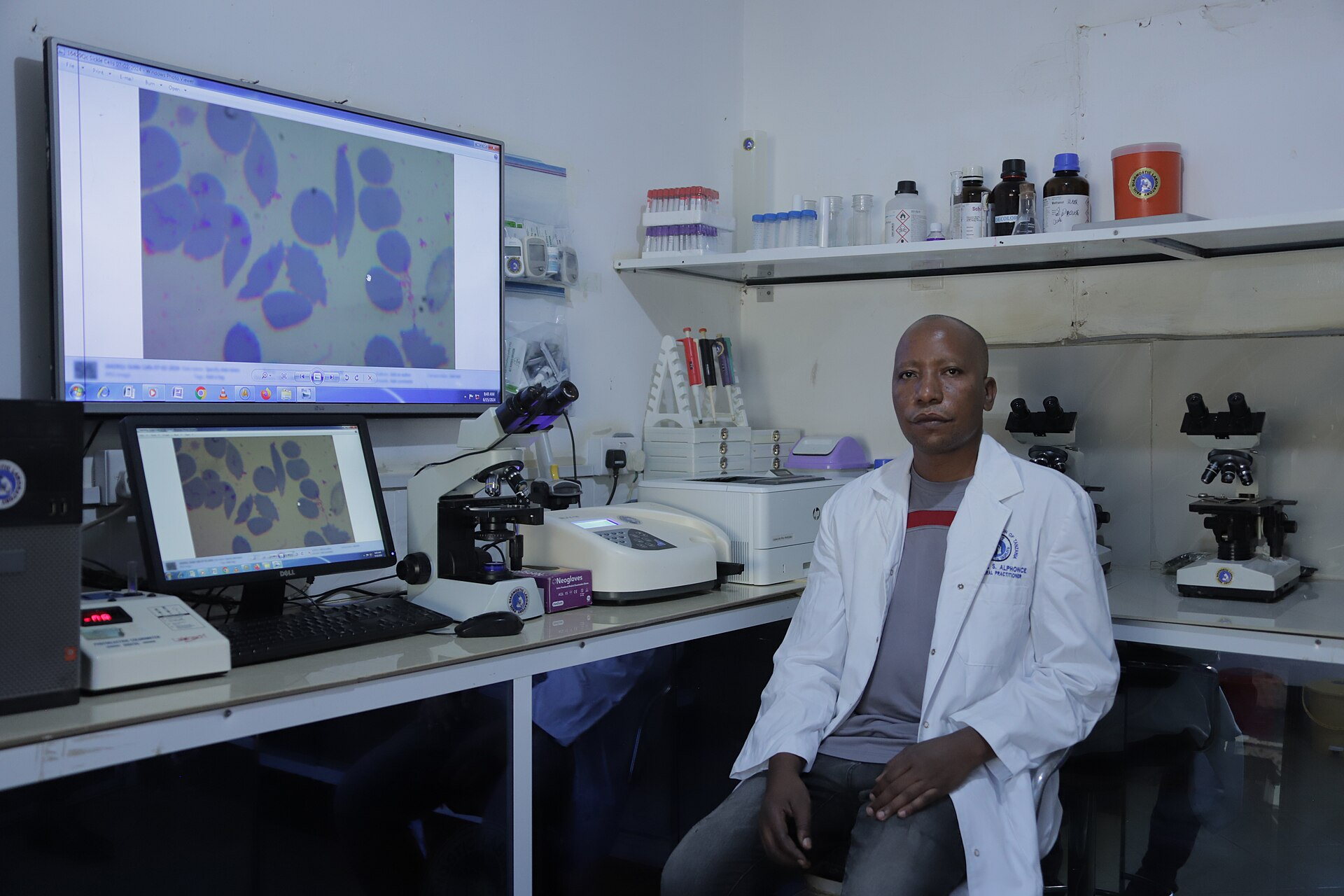
Labs estimate kidney function (eGFR) from blood creatinine, a waste product of muscle. More muscle means more creatinine, and so does a creatine supplement or a big steak the night before. A muscular man can therefore get a “low eGFR” flag with perfectly healthy kidneys.
Creatinine-based eGFR
- Standard on every Canadian lab report
- Raised by muscle mass, creatine and meat
- Can underestimate function in lifters
Cystatin C
- Made by all cells, not muscle
- Not affected by muscle mass or creatine
- Better estimate for muscular people
The same caution applies in reverse. A “normal” eGFR in a very muscular person can hide a real problem, which is one more reason the urine albumin test matters. Canadian lab reports calculate eGFR with equations that assume an average body, so a bodybuilder at 110 kg and low body fat sits well outside the population those equations were built on. Bring that context to any conversation with your doctor.
If your eGFR comes back low, ask your doctor about a cystatin C test, and stop creatine for about a week and avoid a big meat meal the day before the repeat test.
Protein, creatine and your kidneys
High-protein diets increase the work the kidneys do, but in people with healthy kidneys, studies have not shown that protein intakes common among lifters cause kidney disease. The same is true of creatine monohydrate at standard doses. The picture changes if kidney disease already exists: then protein and supplements should be discussed with a doctor. Drinking enough water matters more as protein intake rises.
The tests that matter
| Test | What it tells you |
|---|---|
| Creatinine and eGFR | Baseline estimate of filtering capacity |
| Cystatin C | Muscle-independent estimate of filtering |
| Urine albumin-to-creatinine ratio (ACR) | Early sign of filter damage, often before eGFR drops |
| Urinalysis | Protein, blood and other abnormal findings |
| Blood pressure | The main modifiable risk factor |
Add these to the markers in our bloodwork guide for Canadian users. In Canada, a family doctor can order all of them through LifeLabs, Dynacare or a hospital lab.
How to protect your kidneys
- Keep blood pressure in a healthy range and check it at home.
- Drink enough water to keep urine pale yellow.
- Avoid regular NSAID use and never use diuretics for a “dry” look. Our article on diuretics in physique sports explains why.
- Get a urine ACR test at least yearly if you use anabolic steroids.
- Keep body fat and blood sugar in check; both add to kidney strain.
- Take symptoms seriously: swelling in the legs, foamy urine or dark urine after hard training need prompt medical attention.
- Long-term steroid use is linked to FSGS, a serious form of kidney scarring.
- Blood pressure is the main lever you control.
- Creatinine can mislead muscular people; ask about cystatin C.
- A yearly urine ACR catches problems early.
Frequently asked questions
Do steroids damage your kidneys?
Long-term use, especially at high doses, has been linked to kidney scarring (FSGS) and reduced function. Risk rises with high blood pressure, dehydration and NSAID use.
Is high creatinine on steroids always kidney damage?
No. Muscle mass and creatine supplements raise creatinine. A cystatin C test and a urine albumin test help tell the difference.
Is a high-protein diet bad for the kidneys?
Not in people with healthy kidneys, according to current evidence. People with existing kidney disease should follow their doctor’s advice on protein.
Top photo: Oles kanebckuu, StockSnap (public domain).
This article is for general education and is not medical advice. If you use anabolic steroids, tell your doctor so they can monitor your kidneys and blood pressure properly.
Related on Steroids Canada