
Across most of Canada, the sun is too low from about October to March for your skin to make meaningful vitamin D. Low levels are linked to weaker bones and muscle weakness, and lifters who train indoors are not exempt. Health Canada’s recommended intake for adults is 600 IU a day (800 IU over 70), with an upper limit of 4,000 IU.
- Milk and margarine in Canada are fortified with vitamin D.
- Fatty fish such as salmon and sardines are the best natural food sources.
- Supplements help when you are low, but extra vitamin D does not boost strength in people who already have enough.
As the days shorten, Canadian gyms fill up and outdoor time disappears. That shift has a nutritional cost most people never think about. Vitamin D is the one nutrient your body mainly makes from sunlight, and for half the year most Canadians get almost none from the sun at all.
Canada’s vitamin D winter
Your skin makes vitamin D when ultraviolet B (UVB) light hits it. At northern latitudes, the sun sits so low in winter that most UVB is filtered out by the atmosphere. Above roughly the 42nd parallel, which includes nearly all of Canada, very little vitamin D is made between about October and March. Even in summer, sunscreen, clothing, darker skin and indoor work reduce production.
What vitamin D does for lifters
Vitamin D helps you absorb calcium and keeps bones strong, which matters when you load your skeleton with heavy squats and deadlifts. Muscle cells also have vitamin D receptors, and clear deficiency causes muscle weakness and aches. Low levels are linked to a higher risk of stress fractures in athletes and military recruits.
Vitamin D is sometimes promoted as a testosterone booster. Studies are mixed: some found small improvements in men who started out deficient, while others found no effect. Treat it as a basic health nutrient, not a hormone fix. Our article on supplements with real evidence covers more of these claims.

How much you need
| Group | Recommended daily intake | Upper limit |
|---|---|---|
| Adults 19 to 70 | 600 IU (15 mcg) | 4,000 IU (100 mcg) |
| Adults over 70 | 800 IU (20 mcg) | 4,000 IU (100 mcg) |
These are Health Canada’s dietary reference intakes for the general population. Osteoporosis Canada suggests somewhat higher daily amounts for adults at risk of bone loss. If you are unsure what is right for you, ask your doctor or pharmacist, especially if you take other medications.
Food sources
Very few foods are naturally rich in vitamin D, which is why Canada requires fortification of cow’s milk and margarine. Many plant-based milks and some yogurts and orange juices are fortified too; check the label.
- Fatty fish: salmon, trout, mackerel, sardines and herring are the richest natural sources.
- Fortified milk: about 100 IU per cup in Canada.
- Fortified plant beverages: similar to milk when fortified.
- Egg yolks: small amounts.
- Canned salmon with bones: vitamin D plus calcium, and inexpensive.
Canada’s Food Guide suggests including fish regularly. Our recipe kitchen has plenty of salmon and trout meals with full macros if you need ideas.
Supplements
- Choose D3. Vitamin D3 (cholecalciferol) raises blood levels more reliably than D2 for most people.
- Look for an NPN. Supplements authorized by Health Canada carry an eight-digit Natural Product Number on the label.
- Take it with food. Vitamin D is fat-soluble and absorbs better with a meal that contains some fat.
- Stay under the upper limit unless a doctor prescribes more for a diagnosed deficiency.
Should you get tested?
The blood test measures 25-hydroxyvitamin D. In several provinces, including Ontario, routine vitamin D testing is not covered for healthy people and must be paid privately, while testing is covered when you have conditions such as osteoporosis or malabsorption. For most healthy adults, Canadian guidance is to meet the recommended intake through diet and supplements rather than test routinely. Testing makes more sense if you have symptoms, a stress fracture, a condition that affects absorption, or very little sun exposure.
For most Canadians, a modest daily supplement through the winter is a simple, low-cost habit.
Pair it with the habits that actually build muscle through the winter: progressive training, enough protein and good sleep. Our guide to winter bulking in Canada covers the rest of the off-season.
- Most of Canada makes little vitamin D from October to March.
- Adults need 600 IU a day (800 over 70), with 4,000 IU as the upper limit.
- Fortified milk and fatty fish are the best food sources.
- Fixing a deficiency helps; megadoses do not add strength.
Frequently asked questions
Do Canadians need vitamin D in winter?
Most do need a dietary source, because the skin makes very little vitamin D from October to March at Canadian latitudes. Fortified foods, fatty fish or a supplement fill the gap.
Does vitamin D increase testosterone?
Evidence is mixed. Some men with a deficiency saw small increases after supplementing; men with normal levels generally did not.
Is vitamin D testing covered in Ontario?
Routine testing for healthy people is not covered in Ontario, but it is covered for specific medical conditions. Check with your doctor about your situation.
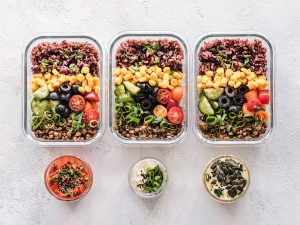
Top photo: Mary, StockSnap (public domain).
This article is general nutrition information and not medical advice. Talk to your doctor or pharmacist before starting supplements, especially if you have a medical condition or take medication.
Related on Steroids Canada