CrossFit combines strength training, gymnastics and high-intensity conditioning in group classes. It can support fat loss through hard training, community and accountability. Injury rates are similar to other strength sports, but good coaching and sensible scaling matter.
- The community and coaching help many people stay consistent.
- Diet still drives most fat loss.
- Beginners should scale movements and build technique first.
CrossFit has hundreds of affiliated gyms, or “boxes”, across Canada. Many members credit it with transforming their fitness and body composition. Here is what it involves, what the evidence says, and how to start safely.
What CrossFit involves
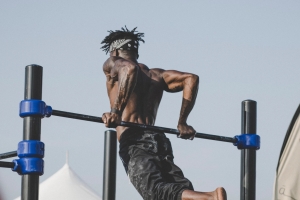
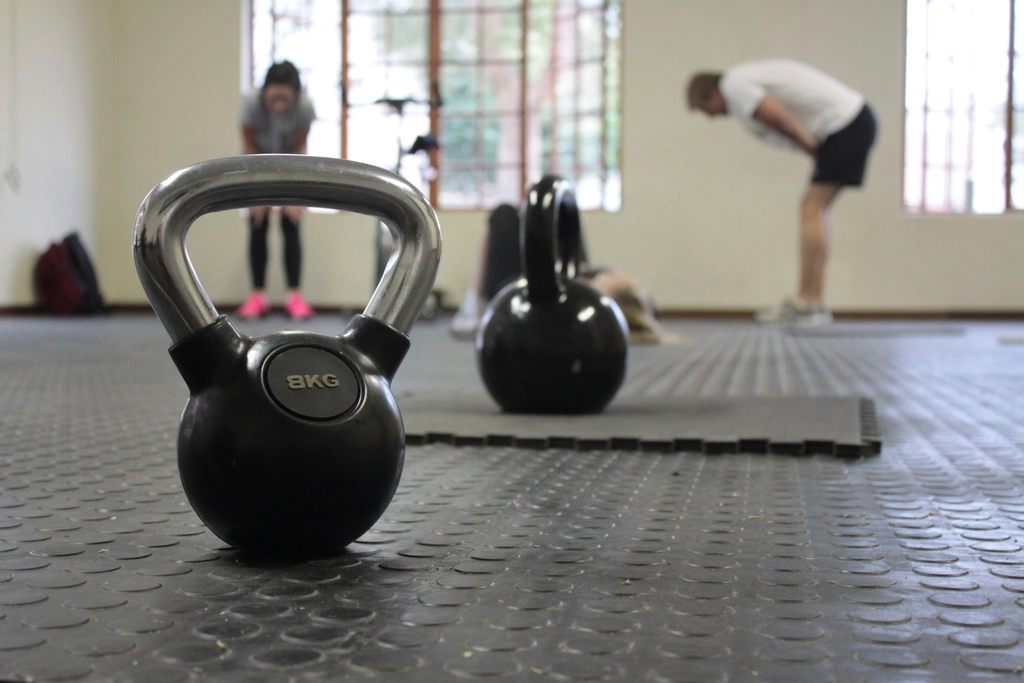
A typical class lasts about an hour and includes a warm-up, a strength or skill segment (such as squats, deadlifts or Olympic lifts), and a “workout of the day” (WOD) combining movements like rowing, kettlebell swings, box jumps, pull-ups and burpees at high intensity. Workouts change daily, and scores are often recorded on a whiteboard.
Does it help fat loss?
- High-intensity training burns substantial calories and improves aerobic and muscular fitness.
- Strength work helps preserve or build muscle.
- Small studies of CrossFit-style training show improvements in body composition, VO2 max and strength over 8–12 weeks.
- The group setting improves attendance; research on group exercise shows social support helps adherence.
As with any exercise, results depend heavily on diet. Many boxes run nutrition challenges, which can help if they focus on sustainable habits rather than extreme restriction.
Injury risk
A 2018 systematic review found CrossFit injury rates of about 2–4 injuries per 1,000 training hours, similar to Olympic weightlifting, powerlifting and gymnastics, and lower than many contact sports. The shoulders, lower back and knees are most commonly injured. Risk rises with fatigue, poor technique, ego lifting and inadequate coaching.
Rhabdomyolysis, a serious breakdown of muscle tissue, has been reported in people who did very high-volume workouts, especially as beginners. It is rare but worth knowing about.
Choosing a box in Canada
- Look for coaches with recognised certifications and experience.
- Ask about an on-ramp or foundations programme for beginners.
- Watch a class: are coaches correcting technique and offering scaled options?
- Check class sizes; smaller classes mean more coaching.
- Ask about drop-in or trial options before committing.
- Compare membership costs, which often run higher than standard gyms. See gym costs in Canada.
Scaling for beginners
Every movement can be scaled: band-assisted pull-ups, box step-ups instead of jumps, lighter weights, fewer rounds. Good coaches encourage scaling. Focus on learning technique in the first months; intensity can increase later. If you are carrying a lot of extra weight or are very deconditioned, consider starting with low-impact training. See low-impact exercise.
What a first month looks like
Most boxes start new members with a foundations course of three to eight sessions covering squats, deadlifts, presses, kettlebell swings, rowing technique and pull-up progressions. After that, joining regular classes at a scaled level is normal. In the first month, expect muscle soreness, learning curves on technical lifts, and steady improvements in fitness. Many members say the coaching and encouragement are what keep them coming back, which is often the missing piece in solo gym routines.
Track a few benchmark workouts and lifts in a notebook or app. Seeing your times fall and weights rise over months is strong motivation and a better measure of progress than daily weigh-ins.
Avoiding overtraining
- Start with three classes a week and build up.
- Take rest days seriously.
- Sleep seven to nine hours.
- Eat enough, especially protein and carbohydrates around training.
- Track your lifts and scale back if strength drops for weeks.
CrossFit and performance drugs
CrossFit Games competitors are drug tested, and several athletes have been sanctioned for anabolic agents. Combining high-intensity training with anabolic steroids or stimulants raises cardiovascular strain and tendon injury risk. See steroids and injuries.
Nutrition for CrossFit
High-intensity training relies heavily on carbohydrates, so very low-carb diets often lead to flat, exhausting workouts. Most CrossFit athletes do well with protein at every meal, carbohydrates around training, and enough total calories to recover, with a modest deficit when fat loss is the goal. Hydration matters too in hot boxes during summer.
Is CrossFit right for you?
It suits people who enjoy variety, competition and group energy. People who prefer quiet, structured training, or who have specific strength goals, may do better with a traditional programme. Both work for fat loss when combined with a good diet. See HIIT workouts and strength gyms in Canada.
Frequently asked questions
Is CrossFit good for weight loss?
It can be, through high-intensity training and strong community support, but diet still drives most fat loss.
Is CrossFit dangerous?
Injury rates are similar to other strength sports. Good coaching, scaling and recovery reduce risk.
How many times a week should a beginner do CrossFit?
About three classes a week is a good start, building up as fitness and technique improve.
Photo: rawpixel (public domain).
General information, not medical advice. Get medical advice before high-intensity training if you have health conditions.
Related on Steroids Canada