No single food causes weight loss, but some make a calorie deficit much easier. Foods high in protein and fibre, and low in calories per bite, keep you full. Many are affordable Canadian staples: lentils, oats, eggs, Greek yogurt, fish, potatoes, and frozen vegetables and berries.
- Build meals around protein and vegetables.
- Choose whole foods over ultra-processed versions.
- Seasonal and frozen produce keeps costs down.
Weight loss happens when you eat fewer calories than you burn, but what you eat decides how hard that feels. These foods, all easy to find across Canada, help you stay full and well-nourished on fewer calories.
What makes a food weight-loss friendly
- Protein: the most filling macronutrient; also protects muscle.
- Fibre: slows digestion and adds bulk.
- Low energy density: lots of food volume for few calories, usually due to water.
- Minimal processing: a 2019 NIH study by Hall and colleagues found people ate about 500 more calories a day on an ultra-processed diet than on an unprocessed diet, even when the meals were matched for nutrients.
Protein foods
| Food | Why it helps |
|---|---|
| Eggs | Cheap, versatile, about 6 g protein each |
| Greek yogurt and skyr | About 15–20 g protein per 175 g; choose plain |
| Cottage cheese | High protein, slow-digesting |
| Chicken and turkey | Lean and affordable in family packs |
| Canadian fish: salmon, trout, Atlantic cod, canned tuna | Protein plus omega-3s in fatty fish |
| Lentils, beans and peas | Protein and fibre together; Canada is a major grower |
| Tofu | Complete plant protein |
Fibre-rich carbohydrates
- Oats: soluble fibre that increases fullness.
- Potatoes: boiled potatoes score among the most filling foods per calorie in satiety studies; avoid deep frying.
- Barley and whole grains.
- Legumes again: they cover both protein and fibre.
Vegetables and fruit
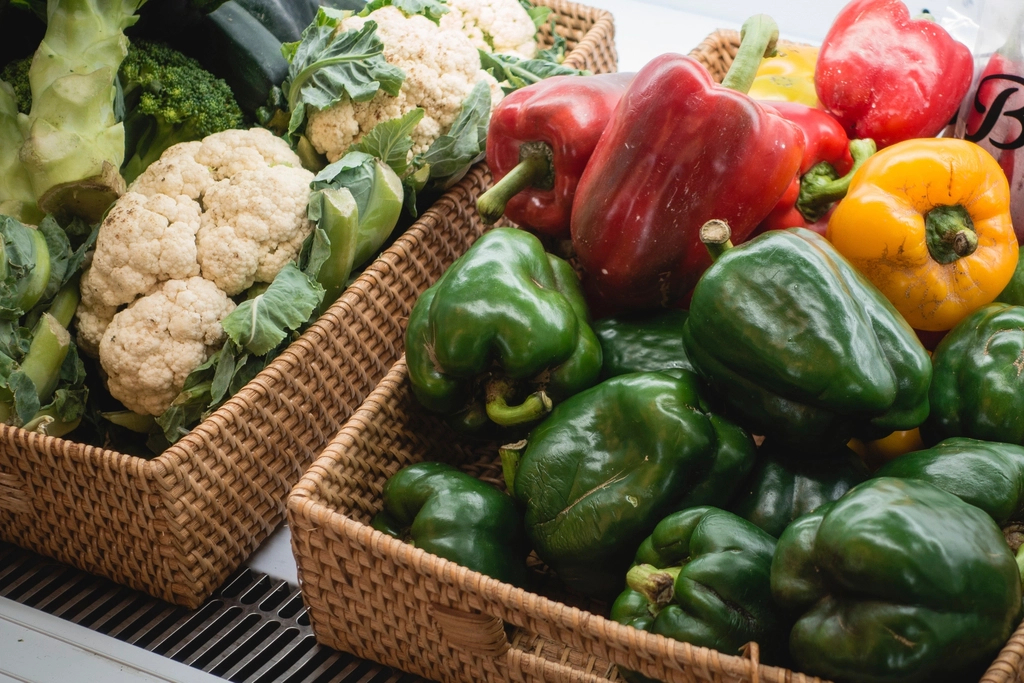
- Leafy greens, broccoli, cauliflower, peppers, cucumber, zucchini: very low in calories.
- Apples and pears: high in fibre and widely grown in Canada.
- Berries: Canadian blueberries (wild in Quebec and the Maritimes), strawberries and raspberries; frozen year-round.
- Root vegetables and squash in fall and winter.
Canada’s Food Guide suggests filling half your plate with vegetables and fruit, a quarter with protein foods, and a quarter with whole grains, which naturally lowers energy density.
Healthy fats in moderation
Canola and olive oil, nuts, seeds and avocado provide healthy fats but are calorie-dense: a tablespoon of oil is about 120 calories. Measure rather than pour.
Foods to limit
- Sugary drinks, including many coffee-shop drinks
- Pastries, doughnuts and muffins
- Chips, fries and fried foods
- Large portions of cheese and processed meats
- Alcohol, which adds calories and lowers inhibition around food
None need to be banned; keep them occasional and portioned. See cutting back on sugar.
Seasonal Canadian produce
- Spring: asparagus, rhubarb, fiddleheads, spinach and greens.
- Summer: strawberries, blueberries, raspberries, cherries, tomatoes, zucchini, corn and peas.
- Fall: apples, pears, squash, pumpkins, Brussels sprouts, cabbage and root vegetables.
- Winter: stored potatoes, carrots, beets, onions and cabbage, plus frozen fruit and vegetables.
Buying in season usually means better flavour and lower prices. Local farmers’ markets run across the country from late spring to fall.
Drinks
Water, milk, unsweetened tea and black coffee are the best everyday drinks for weight loss. Canada’s Food Guide recommends making water your drink of choice. Sweetened coffees, juices and alcohol can quietly add several hundred calories a day.
Eating well on a budget
- Buy frozen vegetables, berries and fish.
- Use dried or canned legumes.
- Buy oats, rice and potatoes in bulk.
- Choose seasonal local produce in summer and fall.
- Plan meals around flyer deals and reduce food waste.
Building a filling plate
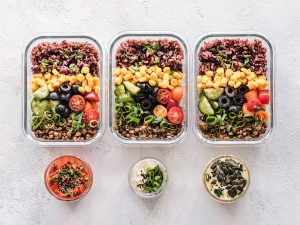
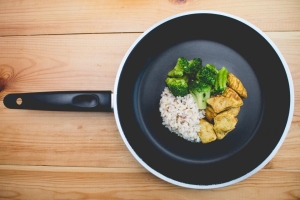
A practical template for each meal: start with a palm-sized portion or two of protein, add two fists of vegetables, a cupped hand of a fibre-rich carbohydrate such as potatoes, oats or legumes, and a thumb of healthy fat. This combination reliably keeps most people full for three to five hours on a moderate number of calories.
A sample day
| Meal | Foods |
|---|---|
| Breakfast | Oats with blueberries and Greek yogurt |
| Lunch | Lentil soup and a turkey sandwich on whole-grain bread |
| Snack | Apple and cottage cheese |
| Dinner | Baked trout, boiled potatoes and a big salad |
For recipes, see healthy Canadian recipes and meal prep ideas.
Frequently asked questions
What foods help you lose weight fastest?
No food causes weight loss on its own, but high-protein and high-fibre foods such as eggs, Greek yogurt, lentils, oats and vegetables make a calorie deficit easier.
Are potatoes good for weight loss?
Boiled or baked potatoes are very filling for their calories. Fried versions and heavy toppings add many calories.
Is frozen produce as healthy as fresh?
Yes. Frozen fruits and vegetables are picked ripe and frozen quickly, keeping most nutrients, and are often cheaper.
Photo: rawpixel (public domain).
General information, not medical advice.
Related on Steroids Canada