Vegans can build muscle as well as meat eaters when total protein is high enough and comes from good sources. Studies matching protein intake found similar gains with plant and animal protein. Soy, lentils, seitan and pea protein make high targets reachable.
- Aim for about 1.6–2.2 g of protein per kilogram, at the upper end if mostly from whole plants.
- Combine sources across the day to cover all essential amino acids.
- Supplement vitamin B12, and check vitamin D, iron, omega-3 and iodine.
Plant-based eating is growing in Canada, and so is the number of vegan lifters. The old idea that you cannot build muscle without meat has not held up. Here is how to do it well.
What research shows
- A 2021 study in Sports Medicine (Hevia-Larraín and colleagues) compared vegan and omnivore young men eating about 1.6 g/kg of protein while training for 12 weeks. Muscle and strength gains were similar.
- Studies comparing soy and pea protein with whey at matched, adequate doses find similar long-term gains in muscle.
- Single-meal studies show plant proteins produce a slightly smaller muscle-building response per gram, mainly due to lower leucine and digestibility, which more protein overcomes.
Protein targets
Aim for 1.6–2.2 g per kilogram of body weight a day, spread across three to five meals of 30–45 g. Because whole plant foods are less digestible than animal foods, sitting near the top of the range is sensible if most protein comes from beans, grains and vegetables.
The best plant proteins
| Food | Protein (approx.) | Notes |
|---|---|---|
| Extra-firm tofu (150 g) | About 20–25 g | Complete protein; versatile |
| Tempeh (100 g) | About 19 g | Fermented soy |
| Seitan (100 g) | About 25 g | Wheat gluten; low in lysine, pair with legumes |
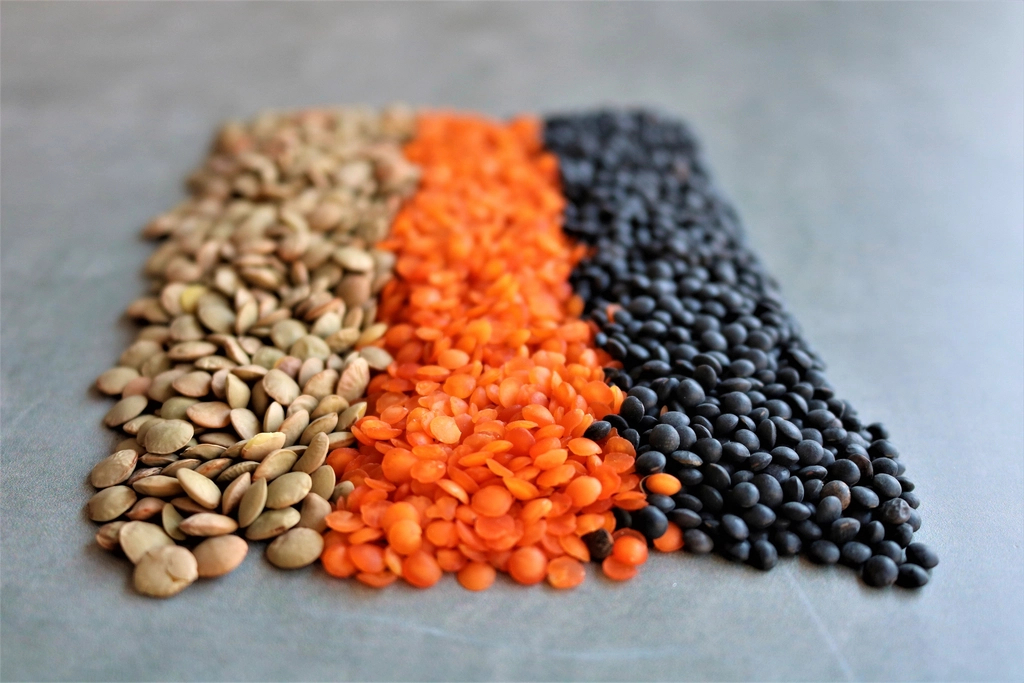
| Lentils, cooked (1 cup) | About 18 g | Canada is the world’s largest lentil exporter |
| Chickpeas or black beans (1 cup) | About 15 g | Plus fibre |
| Edamame (1 cup) | About 17 g | Easy snack |
| Soy milk (250 ml) | About 7–8 g | Choose fortified versions |
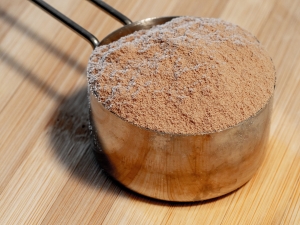
| Pea or soy protein powder (1 scoop) | About 20–25 g | Convenient; Canadian pea protein is widely produced |
Leucine and combining proteins
Leucine signals muscle building. Most plant proteins contain less than whey, so aim for a little more protein per meal (around 35–45 g) or use soy and pea, which are relatively high. Combining sources across the day, such as legumes with grains, covers all essential amino acids. They do not need to be in the same meal.
Key nutrients to watch
- Vitamin B12: essential to supplement on a vegan diet.
- Vitamin D: most Canadians benefit from a supplement in winter.
- Iron: plant iron is less absorbed; pair beans and greens with vitamin C.
- Omega-3: consider an algae-based DHA/EPA supplement.
- Calcium: fortified plant milks and calcium-set tofu.
- Iodine and zinc: iodized salt, seeds, legumes and whole grains.
- Creatine: vegans have lower muscle creatine and often respond strongly to 3–5 g a day.
A blood test for B12, ferritin and vitamin D through your doctor helps catch problems early.
Sample vegan day (about 140 g protein)
| Meal | Foods |
|---|---|
| Breakfast | Oats with soy milk, pea protein, peanut butter and berries |
| Lunch | Lentil and quinoa salad with chickpeas and tahini dressing |
| Snack | Edamame and fruit |
| Dinner | Tofu stir-fry with vegetables and rice |
| Evening | Soy yogurt with hemp seeds, or a protein shake |
Shopping list for vegan lifters in Canada
- Extra-firm tofu, tempeh and edamame
- Dried or canned lentils, chickpeas and black beans
- Fortified soy milk
- Pea or soy protein powder
- Oats, quinoa, rice and whole-grain bread
- Peanut butter, hemp seeds, chia and walnuts
- Frozen vegetables and berries
- Nutritional yeast (often fortified with B12)
Common mistakes
- Relying on vegetables and grains alone, which leaves protein too low
- Eating too few calories because plant foods are filling
- Skipping B12
- Highly processed vegan meats as the main protein, which can be high in salt
Steroid-free muscle building
Many people choose a plant-based diet as part of a natural, health-focused approach. Good training, enough protein and calories, creatine and sleep will build substantial muscle over time without any drugs. See meal planning for muscle and plant-based diets for fat loss.
Frequently asked questions
Can you build muscle on a vegan diet?
Yes. Studies show similar gains to omnivores when total protein intake is matched and adequate.
What is the best vegan protein for muscle?
Soy (tofu, tempeh, soy milk) and pea protein are among the best, with lentils and seitan as strong whole-food options.
Do vegans need protein powder?
Not necessarily, but pea or soy powder makes high protein targets much easier.
Photo: rawpixel (public domain).
General information, not medical advice. A registered dietitian can help plan a balanced vegan diet.
Related on Steroids Canada