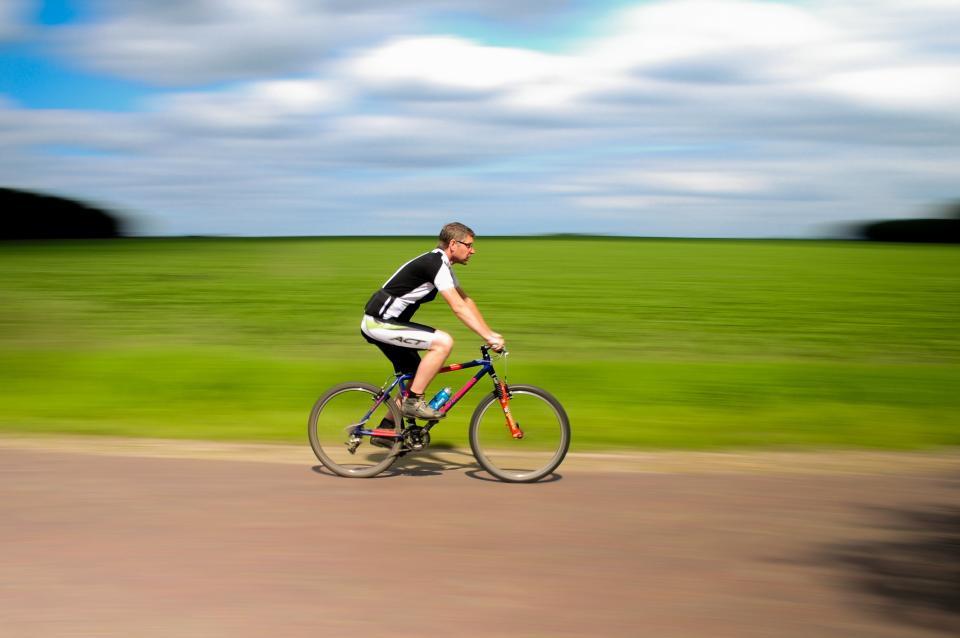
Cycling is a low-impact, enjoyable way to burn calories and build fitness, whether on a road bike, a commuter bike or an indoor trainer. It is easier on joints than running, interferes little with strength training, and can be built into daily life through commuting.
- A moderate ride burns roughly 400–600 calories an hour for many adults.
- Cycling has less impact on leg strength gains than running.
- Commuting by bike adds activity without extra workout time.
Cycling has grown across Canada, from expanding bike lanes in cities to the popularity of indoor training apps and spin classes. It is one of the most sustainable forms of cardio. Here is how to use it for fat loss.
Why cycling works
- Low impact: supports body weight, kind to knees and hips.
- Adjustable: from easy recovery spins to hard intervals.
- Compatible with lifting: research suggests cycling interferes less with muscle and strength gains than running.
- Enjoyable: many people can ride for hours, which helps consistency.
- Practical: commuting and errands add activity to daily life.
Calories burned
| Activity (1 hour, 75 kg adult) | Approximate calories |
|---|---|
| Leisure riding, under 16 km/h | 250–350 |
| Moderate riding, 19–22 km/h | 450–600 |
| Vigorous riding or spin class | 600–800+ |
Power meters and smart trainers give more accurate figures than estimates based on speed.
Sample rides
- Beginner: 20–30 minutes on flat routes or an indoor bike, conversational pace, three times a week.
- Endurance: 60–90 minutes at an easy-to-moderate pace on weekends.
- Intervals: 6 × 3 minutes hard with 3 minutes easy, on hills or an indoor trainer.
- Spin class: a structured, social option at many Canadian gyms.
Indoor cycling through winter
Canadian winters make outdoor riding difficult for many months. Indoor options include stationary bikes, smart trainers that connect to virtual riding apps, and spin classes. Many people keep their fitness through winter this way and return outdoors in spring. Fat-bike riding on snow trails is another option growing in popularity.
Bike commuting
Commuting by bike adds 30–60 minutes of activity a day without extra time set aside. Cities such as Montreal, Vancouver, Ottawa and Toronto have expanding cycling networks. Studies link active commuting with lower body weight and better heart health. Start with fair-weather days and short routes, and plan for showers or a change of clothes at work.
Getting started on a budget
You do not need an expensive bike to start. A used hybrid or commuter bike in good condition works well for fitness and commuting. Many Canadian cities have bike co-ops that sell refurbished bikes and teach basic maintenance. Bike-share systems in cities such as Toronto, Montreal, Vancouver and Ottawa allow you to try commuting without buying a bike. For indoor training, gym bikes and spin classes are a low-cost entry before investing in a trainer at home.
Group rides through local cycling clubs and shops are a great way to learn routes, improve skills and stay motivated, and most offer beginner-friendly no-drop rides.
Bike fit and comfort
- Saddle height: a slight bend in the knee at the bottom of the pedal stroke.
- Padded shorts reduce saddle soreness.
- A professional bike fit helps with knee, back or neck discomfort.
Cycling and fat loss in context
Long rides can increase appetite, and sports drinks and post-ride treats can add back many of the calories burned. Plan fuelling sensibly: for rides under an hour, water is usually enough. Cycling works best for fat loss alongside a calorie deficit, enough protein and strength training. See fat loss with or without cardio and preserving muscle.
Fuelling longer rides
For rides over about 90 minutes, eating 30–60 g of carbohydrate per hour, such as a banana, a granola bar or a sports drink, helps maintain energy and prevents the hunger crash afterwards that leads to overeating. Weigh up whether a ride’s purpose is endurance training or fat loss, and fuel accordingly.
Bone health
Because cycling is non-weight-bearing, it does little for bone density. Cyclists, especially older adults and women, benefit from adding strength training and some impact activity such as walking or jumping exercises.
Frequently asked questions
Is cycling good for losing belly fat?
Cycling burns calories and helps reduce overall fat, including belly fat, as part of a calorie deficit. It cannot target one area.
How long should I cycle to lose weight?
Aim for at least 150 minutes a week of moderate cycling or other activity, combined with a calorie deficit.
Is indoor cycling as good as outdoor?
For fitness and calorie burn, yes. Outdoor riding adds balance, variety and fresh air.
Photo: Skitter Photo, StockSnap (public domain).
General information, not medical advice.
Related on Steroids Canada